
Written by: Kai Eldridge, Music Discovery Editor, OnesToWatch | Last updated: July 27, 2026
Key Takeaways
- Soundcharts pricing starts at $10/month and can reach $250/month with API access, which strains most indie budgets in the 5k–50k listener range.
- Four budget-conscious alternatives, Songstats, Viberate, native platform dashboards, and Chartmetric, range from free to $19.90/month at entry level and offer different mixes of coverage and alerts.
- Free native dashboards from Spotify, Apple Music, and YouTube deliver core metrics, while paid tools add playlist alerts, social data, and deeper historical views.
- Analytics tools explain what is happening to your numbers, but they do not create editorial credibility, playlist placements, or industry visibility.
- Once you understand your analytics, explore the human-curated editorial layer that turns streaming data into real-world opportunities through OnesToWatch’s features and annual selections.
Quick Comparison Table: 2026 Pricing and Coverage for Indie Artists
The table below compares the four alternatives on the factors that matter most for emerging artists. Focus on entry-level monthly cost, which platforms each tool tracks, and the use case where each option delivers the most value. Use the “Best For” column to match a tool to your current stage, budget, and workload.
| Tool | 2026 Pricing (Entry Tier) | Platform Coverage | Best For |
|---|---|---|---|
| Songstats | $5–$15/month (free basic tier available) | Spotify, Apple Music, YouTube, Beatport, Traxsource, SoundCloud, and radio airplay | Artists needing affordable cross-platform alerts and streaming aggregation |
| Viberate | Free basic tier; $10–$50/month pro | Spotify, Apple Music, YouTube, TikTok, Instagram, Facebook; events/venue data | Growing artists who also need booking and social data in one interface |
| Native Stack (Spotify for Artists + Apple Music for Artists + YouTube Studio) | Free | Platform-specific: streams, saves, playlist adds, Shazam, audience demographics, watch time | Early-stage artists building a baseline before committing to paid tools |
| Chartmetric | Free basic tier; paid plans at US$117/month and US$150/month (paid yearly); API from US$350/month | Spotify, Apple Music, YouTube, TikTok, Instagram, radio, charts, Shazam, SoundCloud | Artists ready for competitive benchmarking, historical analysis, and A&R-level data |
1. Songstats: Fast Alerts for Streaming and DJ-Focused Platforms
Songstats offers an Artist Plan at €9.99 per month when billed annually, which keeps it within reach for most indie artists. Its main strength is speed. Songstats Premium focuses on real-time notifications, chart movement tracking, and performance change alerts instead of deep historical reporting. For an artist who needs to know the moment a track lands on a playlist, that responsiveness matters more than enterprise-grade dashboards.
The platform’s coverage stretches beyond mainstream DSPs and includes Beatport, Traxsource, 1001Tracklists, and SoundCloud alongside major services. This mix makes Songstats especially useful for electronic and DJ-adjacent artists whose careers rely on genre-specific charts. However, this breadth comes at the cost of depth. Songstats centers on streaming aggregation and does not match the historical analysis or competitive intelligence that Chartmetric or Soundcharts provide.
- Real-time playlist add alerts and rank tracking
- Cross-platform streaming aggregation, including niche electronic platforms
- Radio monitoring via AI-powered Radiostats
- Mobile-first interface that suits solo artists on the move
2. Viberate: Streaming, Social, and Booking Signals Together
Viberate Premium analytics costs $19.90 per month and tracks cross-channel metrics, playlist performance, fan demographics, rankings, and discovery filters across millions of artists. Its standout feature for indie artists is the inclusion of events and venue-booking data alongside streaming and social metrics. Most analytics platforms split those data types into separate products, which increases cost and complexity.
Viberate covers Spotify, Apple Music, YouTube, TikTok, Instagram, and Facebook in a single interface at around $19.90 per month and offers free charts for browsing without a subscription. The free tier lets artists explore the platform before paying. The main limitation is its middle-ground position. Viberate suits growing indie artists who have outgrown native dashboards but cannot justify enterprise pricing, so it still falls short of Chartmetric’s historical depth or Soundcharts’ monitoring precision.
- Streaming, social, and venue or events data in one dashboard
- Free basic tier with paid pro access from $10–$50/month
- Fan demographic and discovery filter tools
- TikTok and Instagram coverage included at entry-level pricing
3. Native Platform Stack: Free Baseline for Every Indie Artist
Most independent artists benefit from starting with free platform-native analytics before paying for third-party tools. The combined stack of Spotify for Artists, Apple Music for Artists, and YouTube Studio covers the core measurement needs of artists in the 5k–50k listener range without any monthly cost.
Spotify for Artists provides streams, monthly listeners, saves, playlist adds, and discovery source breakdowns. Apple Music for Artists adds Shazam integration and geographic insights. YouTube Studio delivers watch-time behavior, audience retention, and traffic source analytics. The structural limitation is scope. Native dashboards only show your own data and cannot support competitive scouting, long-range comparisons, or true cross-platform aggregation. No third-party analytics tool can access data beyond what streaming platforms share through APIs or deliver more granular insights than the native dashboards themselves.
- Spotify for Artists: streams, saves, playlist sources, editorial pitching, audience demographics
- Apple Music for Artists: play counts, Shazam data, city-level listener insights, New Release Insights
- YouTube Studio: watch time, audience retention, Shorts performance, traffic sources
- Total cost: $0/month
4. Chartmetric: Deep History and Competitive Benchmarking
Chartmetric offers free basic access (0/month paid yearly) with paid plans at US$117/month and US$150/month (paid yearly) and API access from US$350/month (monthly only). It covers all major streaming platforms, social media, and radio airplay. The free tier is strong enough for budget-conscious indie artists and aggregates real-time data across Spotify, Apple Music, YouTube, TikTok, and Instagram. It also includes playlist tracking, audience demographic breakdowns, social growth metrics, and an Artist Comparison tool.
Chartmetric’s core strength lies in historical depth and competitive intelligence. The platform is built for long-term analysis and artist discovery across every major streaming and social service. This design makes it a preferred option when an artist needs to benchmark against peers or understand multi-year trajectory. The tradeoff is complexity. Chartmetric focuses on discovery and A&R workflows, and its interface reflects that professional orientation more than a simple solo-artist use case.
- Free tier covers playlist tracking, social growth, and Artist Comparison
- Historical analysis and velocity tracking across major platforms
- Covers Spotify, Apple Music, YouTube, TikTok, Instagram, Shazam, SoundCloud, radio, and charts
- Paid plans at US$117/month and US$150/month (paid yearly); enterprise and API tiers available for teams
Selection Guidance: When Data Alone Falls Short
Every tool in this list answers the same category of question: what is happening to my numbers. None of them answers the question that shapes a sustainable career, which is who is paying attention and how you get in front of the right people.
This gap between data and action is well understood at the executive level. Oana Ruxandra, former Chief Digital Officer at Warner Music Group, states: “The gap none of these tools close is the one between seeing the data and knowing what to do with it.” That gap is structural. Analytics platforms surface signals, and they do not act on them.
OnesToWatch operates as the editorial layer that converts analytics signals into career momentum. Through a structured pipeline of curated playlists, artist features, and annual selections, OnesToWatch has covered 850+ artists over the past decade, with alumni including Billie Eilish, Chappell Roan, Olivia Rodrigo, and Doechii. The platform’s curation process is analog and human-driven, focused on authentic artistry and live performance potential, qualities that no dashboard metric captures. For an artist who has claimed native dashboards and understands their numbers, OnesToWatch provides the next step with editorial credibility, playlist placement, and visibility to industry professionals and booking agents.
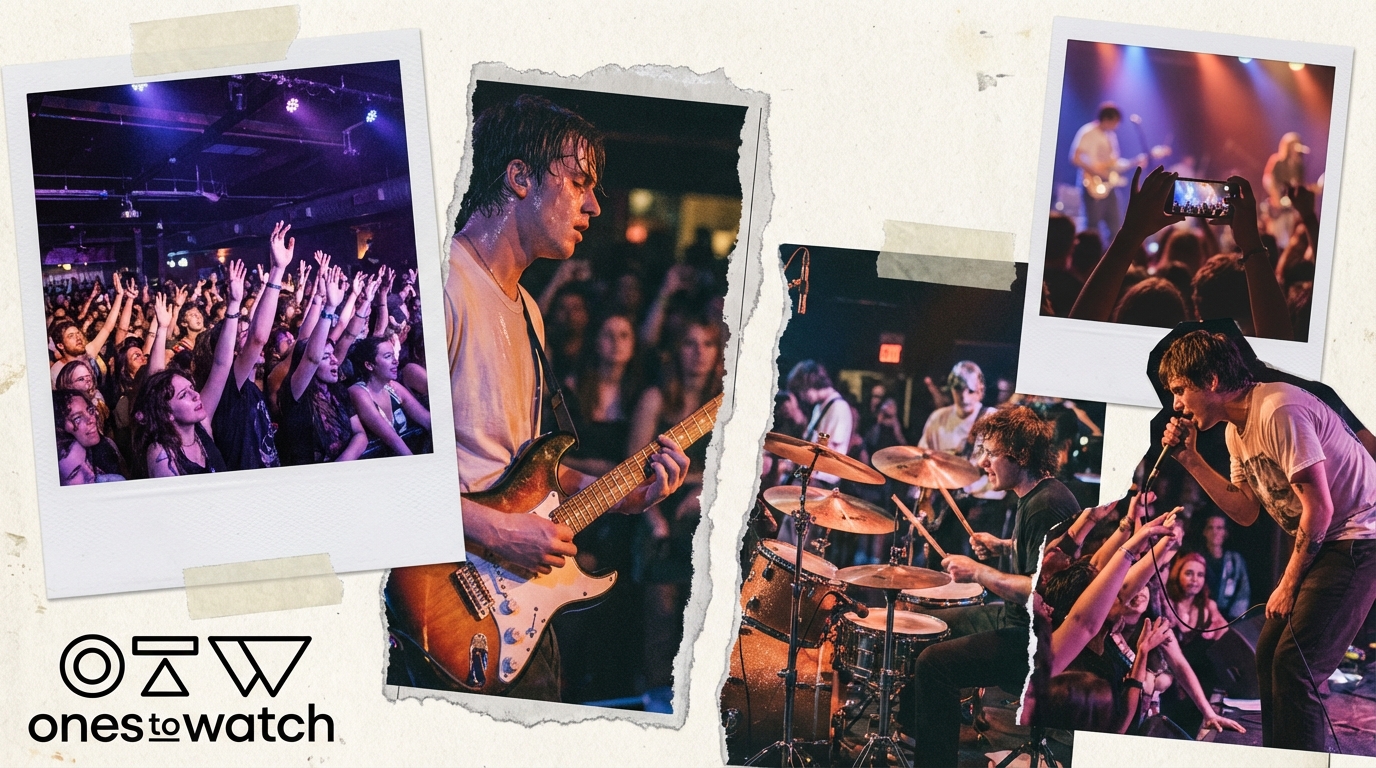
See the full 2026 artist selection to understand how OnesToWatch’s curation process identifies emerging talent before they reach arena scale.
Cross-Option Tradeoff Analysis: Data Signals vs Editorial Relationships
Algorithmic dashboards and human-curated discovery platforms solve different problems. A dashboard tells an artist that their save rate on a recent release is 7 percent and that three editorial playlists added the track in the past week. That information is valuable for understanding momentum, yet it does not automatically become a pitch to a playlist curator, a feature in a music publication, or a booking inquiry from a promoter.
The gap described above plays out concretely when an artist sees a 7 percent save rate and three new playlist adds. That momentum is real, and analytics tools excel at surfacing it because that work is a pure data task. However, converting that geographic or playlist signal into an actual tour booking or feature requires human relationships and editorial credibility that no analytics subscription provides.
The artists who move from 10k monthly listeners to arena-level careers consistently combine data literacy with editorial exposure. The most effective music marketing stacks combine audience intelligence tools, fan connection platforms, discovery tools, and owned-asset development instead of relying on a single expensive dashboard. The editorial layer, which includes features, playlist placements, and annual selections from platforms with industry credibility, remains the piece that data tools cannot replicate.
Practical Considerations for Budget-Conscious Indie Artists
Transparency of curation matters when you evaluate any platform that claims to support artist discovery. Algorithmic playlist placements can disappear without explanation. Human-curated editorial coverage creates a permanent, searchable record of an artist’s trajectory that industry professionals reference when making booking and signing decisions.
Consistency of updates is a separate concern for analytics tools. Solo budget-conscious artists can start with free platform dashboards plus Songstats or Artist.tools for aggregation and SpotOnTrack for playlist monitoring, which keeps total monthly costs between $0 and $15. Adding a paid aggregator makes sense once free native dashboards no longer provide enough cross-platform context.
The most practical approach for artists in the 5k–50k listener range combines free analytics with targeted editorial placement. A no-cost analytics setup can be built in about 20 minutes by claiming Spotify for Artists, Apple Music for Artists, and Deezer for Creators, then maintaining a simple monthly tracker in a spreadsheet. Once your free analytics foundation is in place, explore the 2026 artist selection to see how editorial placement complements data-driven strategy.
Frequently Asked Questions
How many streams does it take to make $10,000?
The number of streams required to earn $10,000 varies by platform and distribution arrangement. Spotify’s per-stream payout typically falls between $0.003 and $0.005, which means an artist needs roughly 2 million to 3.3 million streams to reach $10,000 from Spotify alone. Apple Music pays at a higher per-stream rate, generally between $0.007 and $0.01, which reduces the required stream count to approximately 1 million to 1.4 million.
These figures assume the artist keeps 100 percent of royalties, which does not apply to most label deals. For many independent artists in the 5k–50k monthly listener range, streaming income alone will not reach $10,000 annually. Live performance revenue, sync licensing, and merchandise therefore remain critical income streams alongside streaming growth.
What is the best platform for new artists in 2026?
No single platform serves every new artist equally, yet Spotify remains the highest-priority platform for most independent artists because of its editorial playlist infrastructure, Spotify for Artists dashboard, and direct pitching tool for unreleased tracks. TikTok continues to act as a discovery accelerator and can drive significant streaming volume when a track gains organic traction.
YouTube provides long-term discoverability through search and recommendation algorithms, especially for artists with strong visual content. For artists focused on building a career rather than chasing a single metric, the most effective approach in 2026 is to maintain a consistent presence across Spotify, TikTok, YouTube, and Instagram while using free native dashboards from each platform to understand where listeners actually come from.
Which music platform is best for independent artists?
For distribution, platforms such as DistroKid, TuneCore, and CD Baby offer different pricing structures and royalty splits suited to different release volumes. For analytics, Spotify for Artists provides the essential free baseline, with Apple Music for Artists and YouTube Studio covering the remaining major platforms at no cost.
For discovery and editorial exposure, human-curated platforms like OnesToWatch provide a structured pipeline from playlist inclusion to artist features and annual selections that algorithmic platforms do not replicate. The most effective independent artist setup in 2026 combines a low-cost distributor, free native analytics dashboards, one affordable aggregator such as Songstats or Viberate for cross-platform context, and editorial relationships with platforms that hold genuine industry credibility.
How do you get noticed as an independent artist?
Independent artists in 2026 gain attention by combining data-informed release strategy with human-curated editorial exposure. On the data side, artists track save rates, playlist add sources, and listener geography through free native dashboards to see which releases and markets gain traction. On the editorial side, consistent outreach to music blogs, playlist curators, and discovery platforms that focus on emerging talent builds the credibility layer that streaming algorithms cannot provide.
OnesToWatch’s coverage pipeline, which moves artists from playlist inclusion through featured articles to annual selections, represents one of the most structured pathways available for independent artists seeking industry recognition. Live performance remains essential. Artists with strong stage presence and regional touring history are more likely to attract booking agents, promoters, and labels than artists with similar streaming numbers but no live track record.
Conclusion: Turn Analytics into Career Momentum
The four alternatives covered here, Songstats, Viberate, the native platform stack, and Chartmetric, address the pricing and feature gaps that make Soundcharts impractical for many independent artists. Each delivers meaningful data at a cost that fits an indie budget and serves a distinct stage of career development. Free native dashboards support artists just starting out, Songstats or Viberate help artists who need cross-platform alerts and aggregation, and Chartmetric serves artists ready to invest in competitive intelligence and historical analysis.
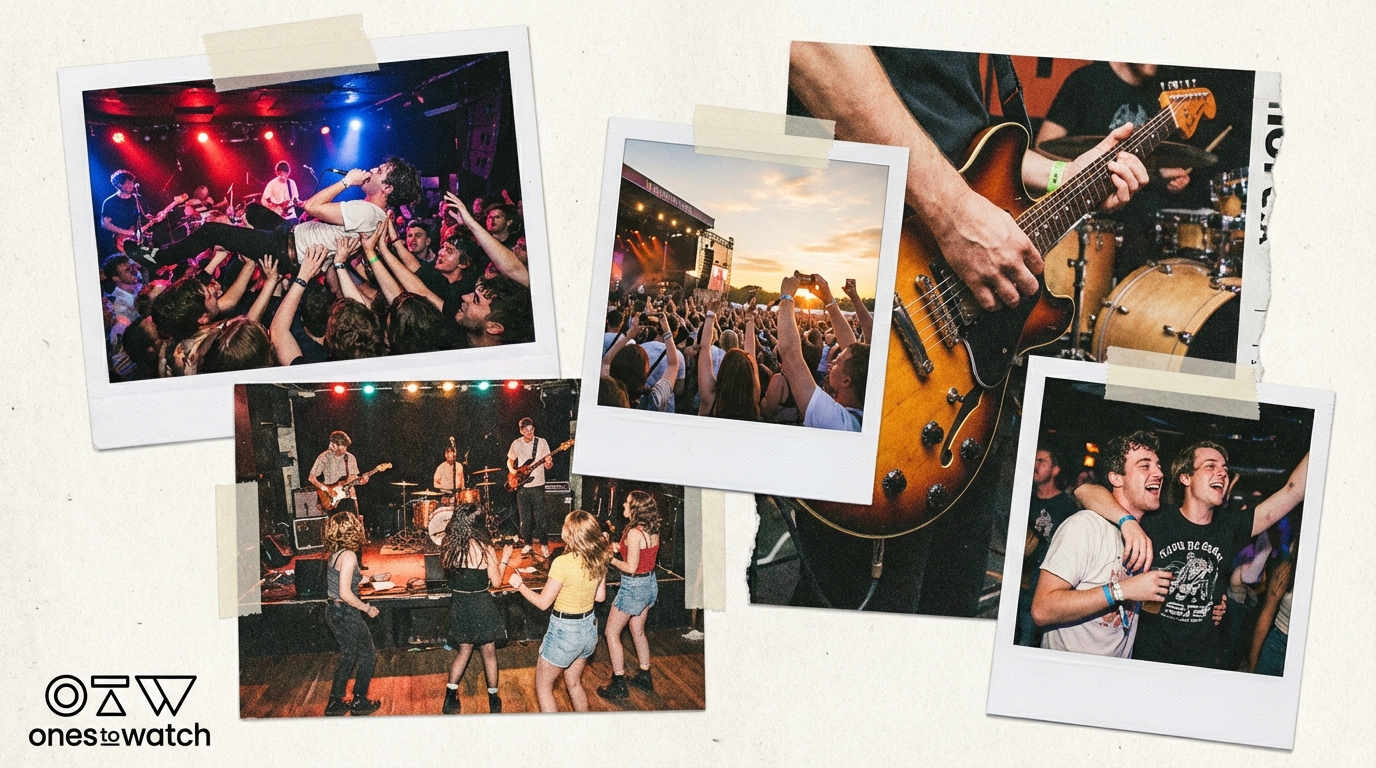
None of these tools provides the editorial layer that converts data signals into career momentum. OnesToWatch supplies that layer through the same human-curated process that identified the artists mentioned earlier, now performing at arena scale. For an independent artist who has mastered analytics and feels ready to turn that knowledge into real-world visibility, editorial credibility, and live-performance opportunities, OnesToWatch represents the missing component that no dashboard can replace. Ready to move beyond analytics? Discover the 2026 artists who combined data literacy with editorial credibility to build sustainable careers.