
Written by: Kai Eldridge, Music Discovery Editor, OnesToWatch | Last updated: August 9, 2026
Key Takeaways
- Intimate 200-cap rooms deliver electric, unrepeatable experiences with emerging artists whose music already lives in your playlists.
- A repeatable 5-step local scouting system – venue calendars, OnesToWatch filtering, genre sources, ticket hacks, and community networks – turns online discovery into regular live shows.
- Weekly 10-to-15-minute reviews of independent venue calendars and curated editorial platforms surface shows before they sell out or hit mainstream apps.
- Zero-fee ticketing, artist mailing lists, venue volunteering, and free-entry formats cut costs while opening doors to the strongest underground shows.
- Discover your next favorite artist and the story behind their rise on OnesToWatch.
Set Your Goal and Starting Point
This guide helps you build a simple local scouting routine that connects online discovery to in-person underground and emerging-artist shows in your city. You first need a basic system for finding underground artists before the five steps below can work consistently.
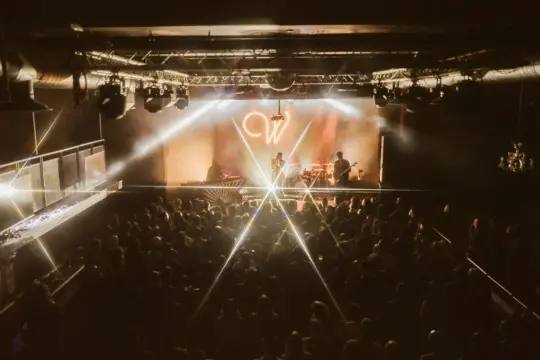
“Underground” here means artists performing in venues under roughly 800 capacity, the club tier where careers are built. A live music industry outlook reported that around 150 small-cap independent venues closed in the United States in 2024, which makes every remaining room matter more. Your starting kit stays light: a smartphone, a streaming account, and a weekly habit of checking a few sources. You do not need industry connections.
The system works in cities of all sizes. Bandsintown’s 100 million-fan ecosystem data shows cities like Lagos, Accra, and Brisbane gaining live music fans faster than traditional hubs. The pipeline from online discovery to local attendance now stretches far beyond New York, London, or Los Angeles.
The 5-Step Discovery Process for Underground Emerging Artists in 2026
Finding the strongest underground emerging artists in 2026 takes more than one app or a lucky algorithm. Underground events live across venue websites, community calendars, genre-specific Discord servers, and curated editorial platforms, and these sources rarely sync automatically. The five steps below pull those threads into one repeatable system.
Here is the process at a glance:
- Scout local venues and build a calendar watchlist.
- Filter artists through OnesToWatch to confirm quality and live potential.
- Layer in genre-specific discovery tactics for your preferred sound.
- Use ticket strategies that reduce cost and increase access.
- Tap community resources that surface shows before they reach mainstream platforms.
Each step has clear inputs, outputs, and decision points so the routine stays quick, even on a busy week.
Step 1: Build a Local Venue Watchlist
Input: Your city or a city you plan to visit.
Output: A shortlist of 3–5 independent venues whose calendars you check weekly.
Decision point: Prioritize venues that book national touring acts as openers alongside local headliners.
Independent venue calendars often list local music events before they appear on major apps. Start by identifying the independent rooms in your market, focusing on 150-to-800-cap clubs instead of amphitheaters or arenas.
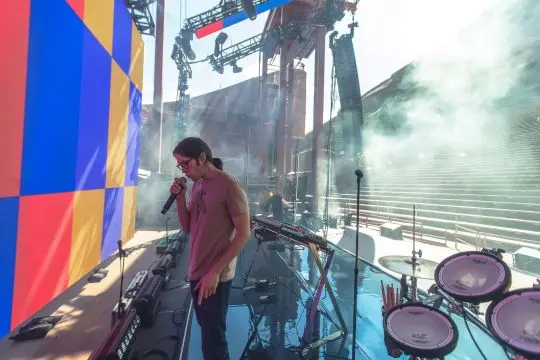
Small performance venues across the U.S. – including Pie Shop in Washington D.C., Crowbar in Tampa, Flat Iron in Greensboro, and AS220 Main Stage in Providence – host regular showcases for local emerging artists in hip-hop, punk, and indie rock. Venues like these form the backbone of artist development.
Use city-specific tools where they exist. Platforms like Gigpit.ca in Vancouver offer mood-based filters and zero-fee ticketing. The hppn.ing iPhone app lets you browse upcoming live music by city, date, or venue with genre filters and direct ticket links. Block a weekly 10-to-15-minute calendar review and treat it as non-negotiable.
Step 2: Use OnesToWatch as Your Quality Filter
Input: An artist name, genre, or mood discovered through streaming or social media.
Output: A vetted shortlist of artists with clear live-performance potential and 2026 touring activity.
Decision point: Treat the next small-room show from any artist featured in OnesToWatch editorial or yearly selections as a high-priority ticket.
OnesToWatch has tracked more than 850 artists over the past decade, with roughly 1% moving from small venues to arenas. Alumni include Billie Eilish, Chappell Roan, Olivia Rodrigo, Doechii, and Post Malone. The platform covers about 300 artists per year through features, and only around 20 reach the annual class selection, so inclusion signals rare momentum.
At SXSW 2026, executives from Spotify, YouTube, and Bandsintown confirmed that live-music discovery now sits inside streaming and video habits instead of operating as a separate activity. OnesToWatch lives at that intersection, pairing editorial discovery with clear live context.
Step 3: Match Discovery Sources to Your Genre
Input: One or two preferred genres.
Output: Genre-matched event sources layered on top of your venue watchlist.
Decision point: Subscribe to any dedicated DIY calendar for your genre before relying on mainstream ticketing apps.
Genre shapes where the best discovery sources live. For punk and hardcore, city-specific DIY calendars often work best. Chicago’s Ask A Punk surfaces all-ages, benefit, and record-release shows at venues like Beat Kitchen, Empty Bottle, and Sleeping Village. Toronto’s Ask A Punk lists multi-band bills at The Horseshoe Tavern and Monarch Tavern alongside DIY spaces where attendees are told to “ask for the address.” Montreal’s Ask A Punk covers stoner metal, electro-punk, and post-punk at venues including Turbo Haüs and La Sotterenea.
Electronic fans should track regional event spikes. The Fourth UK Electronic Music Report found that the North of England recorded a 93% increase in electronic music events between 2022 and 2025. Resident Advisor’s regional filters become essential in that context.
For indie and rap, the Shazam genre event page lets you filter by genre, date, and location at once, surfacing small and mid-sized venue shows. Bandsintown’s High Notes coverage identified trap as the fastest-growing live genre in 2025, with a 65% year-over-year surge, so rap-focused calendars can move quickly.
Step 4: Cut Ticket Costs Without Missing Key Shows
Input: A confirmed show on your watchlist.
Output: A ticket purchased at the lowest available price, ideally before the show sells out.
Decision point: For a 200-cap venue show with recent editorial coverage, buy within 48 hours of announcement.
The share of Gen Z fans citing ticket cost as a barrier dropped from 75% in Q1 2024 to 57% in Q1 2026, yet price still shapes attendance. A layered cost-reduction strategy keeps more shows within reach.
Start with the ticket itself. Use platforms with zero or reduced fees. Gigpit.ca offers zero-fee ticketing that lets fans avoid platform charges on every ticket, which lowers the baseline cost before you even choose a show.
Next, move earlier in the sales cycle. Follow artists directly through mailing lists, since presale codes for small-room shows often go only to subscribers. Early access increases your odds of grabbing cheaper tickets before demand spikes.
If upfront cost still feels heavy, trade time for access. Volunteer or work the door at independent venues. Live Music Society has granted $4.8 million to support 201 small venues across the country through 236 grants since 2020, and many of these rooms run lean. They often welcome community support in exchange for entry.
Finally, track free-entry formats as a separate tier in your plan. Free-entry events rose to 15% of UK electronic music programming in the latest reporting period. Similar formats appear in other genres and can anchor a low-cost show calendar.
Step 5: Build a Local Discovery Network
Input: Your existing social media accounts and any genre interest.
Output: A network of local promoters, photographers, and scene insiders whose posts surface shows before they appear anywhere else.
Decision point: Follow any local Instagram account that consistently posts flyers for shows you wish you had attended, then turn on notifications.
Fans often discover underground events by following local Instagram accounts that post flyers and by showing up at unfamiliar venues in their city. In Philadelphia, underground rock shows can sell out within hours through word-of-mouth and Discord announcements, long before any formal promotion.
For underground scenes, DIY spaces, and house shows, community channels such as genre-specific online groups, neighborhood forums, scene-focused promoters, local photographers, DJs, and bookers often provide the richest discovery. Building relationships with even two or three of these connectors in your city usually beats any single app. The recent venue squeeze has fueled a resurgence in DIY and house show routing, with platforms like Sofar Sounds and Discord-coordinated touring networks absorbing some of the demand.
Common Mistakes and What to Avoid
- Relying on a single app. No platform lists every underground show, so you need a stack of sources.
- Waiting too long to buy. Small-room shows for artists with editorial momentum sell out quickly. A 19-year-old in Phoenix can see a Detroit show clip, find the artist, spot a Tempe date, and attend the next month, but only if tickets remain.
- Ignoring openers. Club shows and festival sets let you catch promising artists in intimate settings before they move to arenas and main stages. Tonight’s opener often becomes next year’s headliner.
- Skipping the quarterly system review. A quarterly review that checks which apps surfaced shows you actually attended and which venue calendars delivered strong finds keeps the system sharp.
- Overlooking regional markets. Independent artists in 2026 often respond to venue pressure with shorter tours that focus on major markets, yet secondary cities still get routed shows that are usually cheaper and less crowded.
How to Tell If Your System Is Working
Your scouting routine works when three things happen regularly. You attend at least one underground or emerging-artist show per month. You discover artists through this system before they land on mainstream playlists. Your ticket cost per show trends downward as your community network grows.
Gen Z live-event attendees spent an average of $101 per month on live music in Q1 2026. Underground tickets usually sit well below that per-show average, so this system can help you stretch that budget into more nights out.
Watch for a secondary signal as well. The artists you see in small rooms should begin appearing in year-end lists and editorial features. Independent artists who pair touring with sustained streaming activity see about three times the post-tour streaming retention of artists who tour without a streaming base. The artists worth tracking are usually doing both.
Explore OnesToWatch’s Top Artists To Watch in 2026: Top 30 Artists To Watch in 2026.
Discover your next favorite artist and the story behind their rise. Explore OnesToWatch for exclusive in-depth content that maps the future of music.
Adjusting the System for Different Cities and Budgets
The five-step system flexes to fit different locations, budgets, and experience levels. Use these variations to match your situation.
- Small or secondary markets: Lean harder on Steps 3 and 5. DIY calendars and community networks matter more when venue density drops. Secondary and tertiary markets have been hit hardest by the venue closures mentioned earlier, so DIY and house show routing often fills the gap.
- Tight budget: Focus on free-entry events, volunteer roles at independent venues, and artists at the earliest stage of touring. The latest Independent Venue Week featured over 700 shows across 230 venues, many of them low-cost or free.
- New to the scene: Start with Step 2. Use OnesToWatch editorial to build a shortlist of five artists, then work backward through Steps 1, 3, 4, and 5 to find their upcoming shows.
- Frequent traveler: Run the system for each destination city before you arrive. City-specific platforms like Gigpit.ca and Ask A Punk city calendars cover multiple markets and require no local knowledge.
- Electronic music focus: Weight Step 3 toward Resident Advisor regional filters and SoundCloud repost chains. Electronic music has been SoundCloud’s fastest-growing genre for three years, rising from roughly one in four uploads in 2020 to over one in three in 2025, so platform-native discovery matters.
2026 Artists Showing Strong Live Momentum
The table below highlights emerging artists with confirmed or documented 2026 live activity, drawn from editorial and industry sources. Use it as a starting shortlist for Step 2.
| Artist | Genre | 2026 Live Indicator | Source |
|---|---|---|---|
| Ninajirachi | Electronic | Coachella and Primavera Sound 2026 festival slots | OnesToWatch 2026 Top 30 |
| 54 Ultra | R&B / Hip-Hop | Coachella 2026 slot after opening for Kali Uchis | NME 100 Emerging Artists 2026 |
| Florence Road | Indie Pop | Seven-date UK headline tour in May 2026 | NME |
| Skye Newman | Pop / Soul | Two nights at O2 Forum Kentish Town and an April 2026 UK tour | Music Week / Ticketmaster Fresh List 2026 |
Frequently Asked Questions
How do I find underground emerging artist shows in my city if I am new to the scene?
Begin with a curated editorial platform like OnesToWatch and build a shortlist of five to ten artists you genuinely like. Search each artist on Bandsintown or the hppn.ing app to find upcoming shows near you. At the same time, pick two or three independent venues in your city, ideally under 500 capacity and known for booking touring acts, then bookmark their calendars.
Within a few weeks of regular checks, patterns appear. Certain venues lean toward your favorite genres, and certain artists pass through your region on predictable cycles. Adding a community layer, such as following local promoters or photographers on Instagram or joining a genre-specific Discord, speeds up discovery even more.
What is the most reliable way to discover underground artists before they blow up?
The strongest approach combines human-curated editorial with peer-driven streaming discovery. Platforms like OnesToWatch use human listening and selection to surface artists before algorithms fully catch up. On streaming platforms, SoundCloud’s 2026 Music Intelligence Report found that tracks discovered through another user’s “Liked By” section are over three times more likely to generate engagement than passively recommended tracks. Following active listeners in your genre often beats relying on auto-generated playlists.
Showing up for artists you just discovered also becomes its own discovery engine. Openers and support acts at small venues usually sit at an earlier career stage than the headliner, which turns every bill into a mini lineup of future finds.
Are underground live shows worth attending if I do not know the artist well?
Yes, especially when you look at the economics and upside. Tickets for emerging artists in small venues usually cost far less than the monthly average Gen Z fans spend on live music. The financial risk of an unfamiliar show stays low, while the upside of catching an artist early is huge.
Ticketmaster’s Fresh List data shows that early-recognition acts like Wet Leg, Central Cee, and The Last Dinner Party all reached No. 1 on the UK album chart with their debut albums. Those artists were playing 200-cap rooms not long before that. Attending shows without deep familiarity also builds scene knowledge, which makes the community-resource step of this system more powerful over time.
How often should I run through the 5-step scouting system?
A weekly 10-to-15-minute session covers the core of Steps 1 and 2. Scan your preferred concert app, check the top local venue calendars on your watchlist, and read any new artist or venue newsletters. Steps 3 and 5, which involve genre-specific sources and community channels, can follow the same weekly rhythm or fold into your normal social media use.
Step 4, ticket purchasing, stays event-driven. Act within 48 hours of a show announcement for any artist with recent editorial coverage or any venue under 300 capacity. Every quarter, run a quick audit of the whole system. Note which sources led to shows you actually attended and which ones went quiet, then adjust your stack.
Conclusion: Turn Online Discovery into Real Shows
A consistent 5-step local scouting routine – venue watchlists, editorial filtering through OnesToWatch, genre-specific sources, ticket strategies, and community networks – offers a reliable path from online discovery to regular underground shows near you in 2026. The system takes about 15 minutes a week, adapts to any city or budget, and compounds over time as your connections deepen and your eye for early-stage talent sharpens.
The artists playing 200-cap rooms this month are the ones filling arenas in a few years. Building this habit now is how you make sure you are in the room early.
Explore OnesToWatch’s Top Artists To Watch in 2026: Top 30 Artists To Watch in 2026.