
Written by: Kai Eldridge, Music Discovery Editor, OnesToWatch
Key Takeaways
- Sea.Hear.Now 2026’s compact beach-and-boardwalk layout makes stage-hopping easy and turns early-afternoon slots into prime discovery windows for emerging artists.
- Pre-festival prep that includes mapping stages, building a personal playlist, and arriving for the first sets increases the odds of catching rising acts before crowds swell.
- Human-curated sources like editorial platforms outperform algorithms for post-festival follow-up by adding context that streaming data alone cannot provide.
- Real-time logging of artist names, set times, and impressions creates a reliable system for tracking new discoveries after the weekend ends.
- Stay ahead of the next wave of talent by exploring OnesToWatch for in-depth features and curated playlists that turn festival moments into lasting artist relationships.
Sea.Hear.Now 2026: Layout, Lineup, and Why Discovery Matters
Sea.Hear.Now is a multi-stage beach and boardwalk festival held annually in Asbury Park, New Jersey. Stages sit within easy walking distance along the Atlantic coast, so fans can move between performances instead of camping at a single stage. The festival programs a mix of established headliners and emerging acts across rock, indie, alternative, and nearby genres.
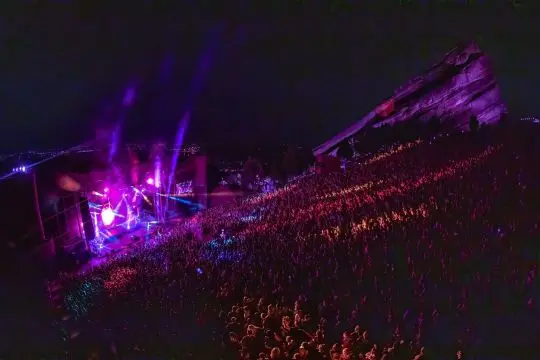
Festival teams use emerging-artist curation to give lower-profile acts a real shot at growth. Programmers often place newer or lower-energy acts in early-afternoon slots while crowds are still arriving and settling in. These sets function as discovery windows more than popularity showcases. Live-performance potential, or how well an artist turns recorded work into a compelling stage presence, becomes a key signal for which acts deserve long-term attention.
OnesToWatch evaluates artists through that lens and centers authentic artistry and live performance potential in its editorial coverage. For readers who want that level of curation beyond a single weekend, OnesToWatch connects festival moments to ongoing artist tracking throughout the year.
For a deeper look at the artists shaping festival lineups, explore OnesToWatch and follow how live performances translate into long-term careers.
Sea.Hear.Now’s Discovery Ecosystem and 2026 Listening Trends
Sea.Hear.Now’s discovery ecosystem runs across several connected layers. The three main stages anchor the schedule, while boardwalk pop-up performances create informal, low-pressure discovery moments for fans walking between sets. Official festival playlists on streaming platforms often serve as the first introduction to lesser-known acts on the bill.
Spotify users created nearly 340,000 playlists for Coachella’s back-to-back weekends in 2026, which shows how common deliberate pre-festival listening has become. Spotify’s Prompted Playlist feature builds personalized discovery mixes from a listener’s history and real-time trends, so fans can request blends of familiar artists and new names from a specific lineup.
Many fans now recognize the limits of automation. Automated streaming algorithms lean on historical listening data and tend to reinforce existing patterns instead of breaking them. Human curators add context about artists, scenes, and timing that algorithms cannot match. This shift toward analog curation shapes how OnesToWatch builds its playlists through human listening and selection rather than automated sorting.
Afternoon discovery slots at Sea.Hear.Now follow the same logic seen at many major festivals. Side stages and early scheduling for non-headliner acts draw crowds to the festival site earlier in the day. This approach increases foot traffic around smaller experiences and gives emerging artists more chances to connect. Fan communities on Discord and Reddit extend that discovery loop before and long after the event.
To go beyond what algorithms surface, explore OnesToWatch playlists and features, which pair new names with the stories and scenes behind them.
Discovery Roadblocks Fans Face at Sea.Hear.Now 2026
Three structural challenges consistently limit discovery at multi-day beach festivals like Sea.Hear.Now.
The first challenge is oversaturation. Music discovery in 2026 runs through playlists, social platforms, tastemakers, and algorithmic recommendations. Fans arrive already flooded with signals from TikTok, Spotify, and social media. Turning that noise into a clear plan for which sets to catch requires preparation that many attendees skip.
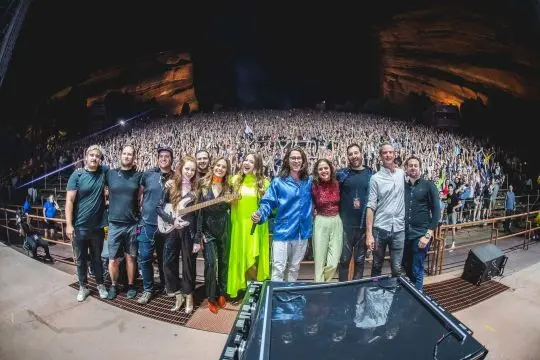
The second challenge is the pull of headliners over unknown names. Support or opening slots create a psychological hurdle because audiences rarely bought tickets specifically for the opener. That reality makes exposure harder, yet it also makes the payoff bigger when fans stay. At most festivals, long walks between stages add a physical cost to leaving a headliner for an unfamiliar act, which compounds that psychological barrier. At Sea.Hear.Now, the beach layout lowers the physical cost of moving between stages, but the draw of a known headliner still pulls attention away from emerging acts scheduled at the same time.
The third challenge is weak post-festival follow-up. Many fans fall back on algorithmic playlists after the event, which, as noted earlier, reinforce existing listening habits. Without a simple tracking system, artists discovered during an early afternoon boardwalk set often fade from memory within days.
Turn those one-time discoveries into artists you follow by pairing your festival notes with OnesToWatch profiles and playlists once you are back home.
Sea.Hear.Now Discovery Playbook: Map, Listen, Log, Repeat
The framework below addresses each challenge and aligns with Sea.Hear.Now’s beach and boardwalk layout.
- Map the layout before arrival. Festival layouts with wide open stage fields invite exploration and encourage wandering into non-headliner performances. Note the walking time between each Sea.Hear.Now stage and the boardwalk pop-up zone so you can make stage-hopping decisions in real time without missing the first three songs of an emerging act.
- Build a pre-festival playlist from the official lineup. Use Spotify’s Prompted Playlist or a manually curated spreadsheet. Serious curators often use structured spreadsheets with columns for artist, track title, genre, mood, BPM, key, energy level, and notes. This approach creates a searchable personal database of every act on the bill. Give extra attention to artists with fewer than 500,000 monthly listeners.
- Arrive for the first set of each day. As noted in the overview, early slots concentrate emerging acts when crowd competition stays low. Festivals also program mid-sized or secondary stages opposite headliners to capture overflow crowds and fans seeking less mainstream options. Showing up for the first two hours each day maximizes exposure to these built-in discovery windows.
- Use sound bleed as a discovery signal. Stage clustering and sound bleed from nearby stages can pull attendees toward unexpected sets. When an unfamiliar song from the boardwalk stage catches your ear while you walk between main stages, treat that moment as a cue to stop and listen.
- Log discoveries in real time. Capture the artist name, set time, stage, and one quick performance note in a phone note or voice memo right after each set. This simple log becomes the backbone of your post-festival tracking system.
- Cross-reference discoveries with OnesToWatch after the festival. Search each logged artist on OnesToWatch to find editorial features, playlist placements, and career-stage context that streaming platforms rarely surface.
- Follow artists on at least two platforms. Playlist placements and social media moments reinforce each other as tracks move through multiple discovery environments. Following an artist on both Spotify and one social platform gives you a better chance of catching the next release or tour announcement.
For a head start on who to add to your Sea.Hear.Now list, browse OnesToWatch’s Top Artists To Watch in 2026 before you hit the beach.
8 Rising Acts to Watch at Sea.Hear.Now 2026
These eight artists fit the profile of acts most likely to reward early-set attendance at Sea.Hear.Now 2026. They bring strong live reputations, growing but not yet mainstream audiences, and clear momentum heading into the fall festival season. Fans who want deeper context on artists at this stage can explore OnesToWatch features for background on sound, influences, and trajectory.
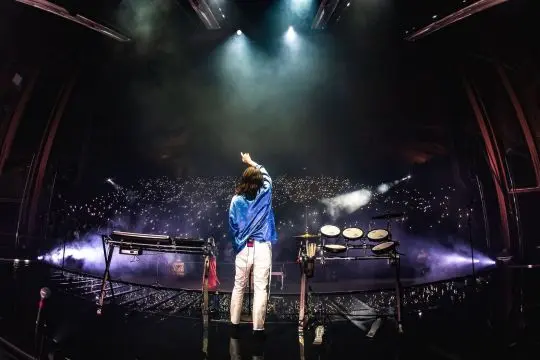
- Mk.gee – New Jersey-born guitarist and songwriter whose layered, effects-heavy live sets draw comparisons to classic rock textures filtered through contemporary indie production. His 2024 album Two Star & The Dream Police built a devoted following that shows up as focused, attentive festival crowds.
- Mannequin Pussy – Philadelphia punk band known for physical intensity and sharp dynamic shifts, moving from quiet tension to full-band noise within a single song. Their 2024 album I Got Heaven expanded their audience and increased demand for festival appearances.
- Militarie Gun – Los Angeles hardcore-adjacent act whose melodic hooks and high-energy stage presence make early sets feel much larger than their current audience size suggests.
- Amaarae – Ghanaian-American artist whose Afropop and R&B hybrid sound thrives on outdoor stages, with layered vocals and detailed production that reward open-air listening.
- Enumclaw – Pacific Northwest indie rock band with a guitar-driven live sound and emotionally direct songwriting that has generated strong word-of-mouth in festival discovery circles.
- Indigo De Souza – North Carolina singer-songwriter whose intimate, emotionally raw performances often convert casual passersby into dedicated followers, especially during receptive afternoon slots.
- Lambrini Girls – Brighton punk duo whose confrontational performances and pointed political lyrics have made them one of the most talked-about emerging acts in UK and US independent music heading into 2026.
- Bartees Strange – Washington, D.C.-based artist whose genre-fluid sets move between post-hardcore, indie rock, and R&B, matching the range of Sea.Hear.Now’s multi-genre audience.
Each of these artists sits within the OnesToWatch universe, so you can dive into their stories, sessions, and upcoming releases on OnesToWatch before or after their Sea.Hear.Now sets.
How Sea.Hear.Now Music Discovery May Evolve After 2026
More than half of global music fans expect social media to play a bigger role in pushing emerging artists into the spotlight throughout 2026. Many also expect social platforms to function more like search engines for live music discovery. At Sea.Hear.Now, this shift means the discovery window for an emerging act extends beyond the set itself, as clips shared during and after performances reach fans who never stepped onto the sand.
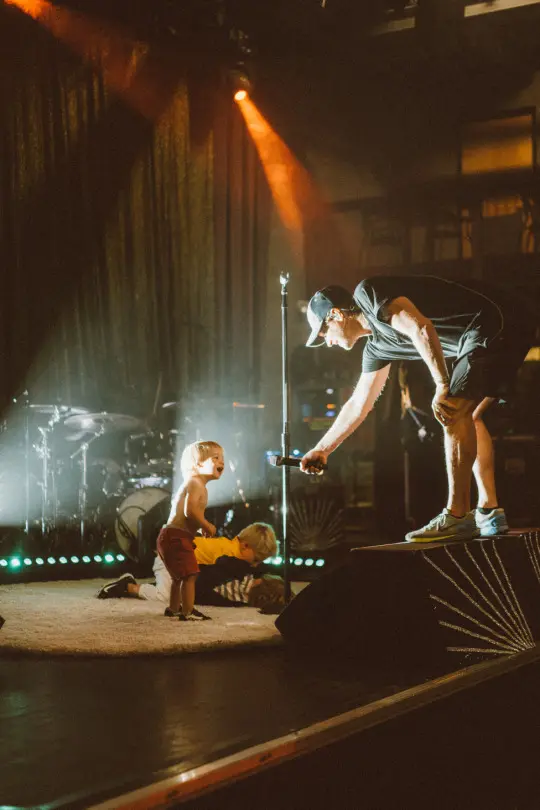
The 2026 Live Nation Love Song study reports that 96% of Gen Z respondents value pre- and post-event moments as much as the live event. That finding suggests the festival discovery arc will keep stretching beyond the physical weekend. Pre-festival playlist building, in-event social documentation, and post-festival editorial follow-up now feel like one continuous experience instead of three separate tasks.
Viberate’s 2026 analysis notes that the festival a fan chooses shapes artist discovery because different formats deliver different exposure types. Medium-sized festivals like Sea.Hear.Now often matter more for niche discovery than massive general events. As formats continue to differentiate, Sea.Hear.Now’s beach-and-boardwalk model, compact geography, multi-genre programming, and relaxed environment position it as a strong discovery platform. Quieter pockets and decompression spaces lengthen dwell time at smaller stages by helping the nervous system reset. Sea.Hear.Now’s oceanside setting naturally supports that kind of slower, more open listening.
Frequently Asked Questions
What does “emerging artist” mean at Sea.Hear.Now?
At Sea.Hear.Now, an emerging artist usually refers to an act that has released music and performs regularly but has not reached mainstream chart recognition or arena-level touring. These artists often appear in early-afternoon or secondary-stage slots, which function as the main discovery opportunities for fans who arrive before headliner hours. The label does not signal low quality. Many artists at this stage already have devoted followings and strong live reputations that simply have not yet crossed into broad commercial awareness.
How is Sea.Hear.Now different from larger festivals for discovery?
Sea.Hear.Now’s compact beach and boardwalk layout lowers the physical and logistical barriers to moving between stages. Fans can catch portions of multiple emerging-artist sets in a single afternoon without long walks. Larger festivals with spread-out grounds and longer routes between stages tend to keep attendees anchored in one area, which reduces spontaneous discovery. Sea.Hear.Now’s mid-sized format also raises the ratio of emerging acts to headliners compared with mega-festivals, where top-tier artists dominate both scheduling and marketing.
What is the best way to follow up on artists discovered at Sea.Hear.Now?
The strongest follow-up blends streaming follows with editorial tracking. Adding a discovered artist to a dedicated Spotify playlist keeps their future releases in your algorithmic orbit. Pairing that playlist with editorial platforms like OnesToWatch adds career context, such as development stage, upcoming tour dates, and narrative background, that streaming data alone cannot supply. Logging artist names and short performance notes during the festival, then cross-referencing those notes with editorial sources within 48 hours of returning home, produces the highest retention rate for new discoveries.
Why do early sets at Sea.Hear.Now matter more for discovery?
Early sets at Sea.Hear.Now happen when crowd density is lower and attention is less divided by headliner anticipation. Festival programmers place emerging acts in these slots as part of a deliberate energy arc that builds toward evening headliners. That structure concentrates discovery opportunities in the early afternoon. Fans who arrive at opening time and catch the first two sets on each stage encounter the highest share of artists who are not yet widely known but are performing in a context designed to introduce them to new audiences.
Conclusion: Turning Sea.Hear.Now Into a Discovery Engine
Sea.Hear.Now 2026 offers three core structural advantages for discovery. The compact beach and boardwalk layout lowers the cost of stage-hopping. The programming schedule concentrates emerging acts in early-afternoon slots. The mid-sized format raises the share of discovery-focused programming compared with mega-festivals. Fans who combine pre-festival playlist prep, real-time performance logging, and post-festival editorial follow-up turn those advantages into lasting artist relationships.
The main challenges of oversaturation, headliner gravity, and algorithm-driven follow-up become manageable when you use the framework above with intention. Arriving early, moving between stages, and relying on human-curated sources instead of default algorithms create a more active discovery experience.
OnesToWatch acts as the editorial bridge between live festival discovery and sustained artist careers, offering a pipeline from playlist inclusion to featured coverage and yearly artist selections that streaming platforms do not replicate.
For a ready-made roadmap, start with OnesToWatch’s Top Artists To Watch in 2026 and build your Sea.Hear.Now discovery list around the artists most likely to define the next chapter of independent music.