
Written by: Kai Eldridge, Music Discovery Editor, OnesToWatch
Key Takeaways
- Bourbon & Beyond 2026 books headliners through major agencies and fills emerging slots through contests and curation partners.
- Unsigned acts need regional draw in Kentucky and the South plus a documented live performance history before chasing a slot.
- Battle of the Strings and The Bluegrass Situation Stage give unsigned Americana and bluegrass acts clear, documented entry points.
- The 2026 window has closed, so acts targeting 2027 should start outreach in Q4 2026 and stay active through winter.
- Placement on recognized curation platforms like OnesToWatch provides third-party validation that DWP talent buyers use when assessing emerging talent.
The following sections break these takeaways into a clear, nine-step guide that follows the actual Bourbon & Beyond booking process.
How Artists Get Selected for Bourbon & Beyond
Bourbon & Beyond 2026 runs September 24–27 at the Kentucky Expo Center in Louisville, KY. Danny Wimmer Presents (DWP) controls all booking decisions. The selection process runs on two parallel tracks: a top-down agency track for established names and a bottom-up discovery track for unsigned and emerging acts. Artists first need to identify which track fits their current stage before they pursue a slot. OnesToWatch’s annual Top Artists To Watch list highlights the kind of emerging talent festival bookers already track, and you can see the 2026 class here to understand what credible curation looks like.
Step 1: Why a Bourbon & Beyond Slot Matters for Regional Acts
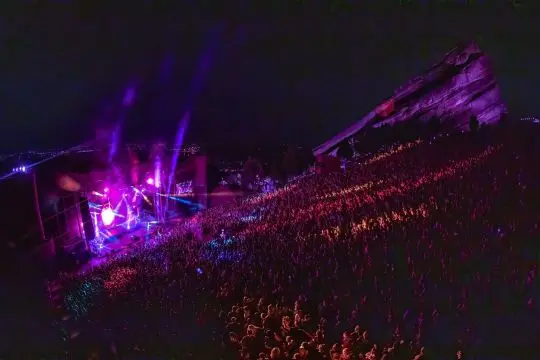
For unsigned Kentucky and Southern roots or Americana acts, a Bourbon & Beyond slot ranks among the highest-visibility regional stages in the country. The stated curation goal of DWP’s GM Chamie McCurry is for attendees to arrive for a major headliner but leave talking about a new favorite band they had never heard before. That philosophy creates a real opening for emerging acts that understand the specific routes into the lineup.
Step 2: Check Your Starting Point Against Festival Requirements
Before chasing a Bourbon & Beyond slot, an act needs to compare its current position against the festival’s documented requirements. All four criteria below matter, and regional credibility carries unusual weight at this festival:
- Genre alignment with the festival’s multi-genre programming, which spans rock, Americana, bluegrass, and roots
- Regional draw within Kentucky and the broader South
- A documented live performance history at credible regional venues
- Eligibility for contest-based routes such as Battle of the Strings
McCurry has stated publicly that DWP’s intent is to give Kentucky talent a platform alongside national acts, so regional credibility becomes a genuine asset rather than a liability. The other three criteria function as baseline qualifications, while regional draw often separates acts that get serious consideration from those that do not.
Step 3: Understand the Tiered Booking Structure and Timeline
The booking process at Bourbon & Beyond follows a tiered structure. Headliners lock in first and anchor the weekend’s commercial draw. Supporting and mid-tier acts follow through agency relationships. Emerging and local acts then fill remaining slots through contests, regional tastemaker recommendations, and curation partnerships. DWP runs a year-round booking process, with organizers already discussing 2027 talent before the current year’s festival is even built on site, and winter devoted to locking in artists. The next steps break this structure into specific routes that unsigned acts can realistically pursue.
Step 4: Know the Agency Route (and When It Applies)
Headliners and established mid-tier acts come through major talent agencies. The 2026 lineup includes Foo Fighters, Chris Stapleton, Dave Matthews Band, and Mumford & Sons, all represented by major agencies. Unsigned acts without agency representation cannot access this track directly. The realistic long-term path is to secure regional agency representation first, then pitch DWP’s talent buyers through that intermediary once the act has proven drawing power.
Step 5: Choose the Right Entry Route as an Unsigned Act
Unsigned acts have several documented routes into Bourbon & Beyond, and the best choice depends on genre and regional profile.
Route A: Battle of the Strings Contest
For 2026, one artist slot on the Bourbon & Beyond lineup was awarded through the Battle of the Strings contest. Four acts advanced through the semifinals before two finalists performed at The Fox Den in Louisville in July to determine the booking. This contest functions as a direct, documented route for unsigned string bands and Americana acts to earn a festival slot alongside major headliners.
Route B: The Bluegrass Situation Stage
Bluegrass acts have a second path that sits outside the contest structure. The Kroger Big Bourbon Bar at Bourbon & Beyond serves as home to The Bluegrass Situation Stage, which programs bluegrass bands and line dancing. This stage offers a dedicated programming slot for regional bluegrass and roots acts and operates as a separate entry point from the main stage booking process.
Step 6: Confirm Genre Fit and Regional Identity
Bourbon & Beyond programs across rock, Americana, bluegrass, country, and roots genres. The Fork & Flask curated experience also blends rising talent with food and drink programming, which creates additional stage opportunities for emerging acts with strong regional identity. Genre fit acts as a prerequisite rather than a differentiator, so artists outside these categories rarely receive consideration even if other metrics look strong.
Step 7: Prove and Communicate Your Drawing Power
DWP evaluates emerging acts on their ability to draw a local or regional audience. A documented ticket-selling history in Louisville, Lexington, Nashville, or comparable Southern markets strengthens any submission. Social media metrics, streaming numbers, and press coverage from regional outlets also serve as proxies for drawing power when direct ticket data is limited. Acts should collect and present this evidence clearly so talent buyers can assess risk quickly.
Step 8: Time Your Outreach and Avoid Common Mistakes
Based on the year-round timeline described earlier, the actionable window for unsigned acts targeting a 2026 slot has largely closed, because the festival runs September 24–27, 2026 and contest deadlines have passed. Acts targeting 2027 should begin outreach in Q4 2026, with the winter window serving as the critical period for emerging act conversations with DWP talent buyers. Several avoidable errors still reduce an unsigned act’s chances of selection:
- Submitting outside contest windows or without checking current eligibility criteria
- Pitching DWP directly without agency representation or a recognized curation partner endorsement
- Skipping the work of building a regional live performance record before applying
- Overlooking genre-specific stages like The Bluegrass Situation Stage and only chasing main stage slots
- Failing to document drawing power with verifiable ticket sales or attendance figures
Missing contest windows and lacking proof of drawing power usually cause the most damage, because they remove an act from consideration before anyone reviews the music.
Step 9: Track Your Progress and Use Curation to Build Credibility
An act can measure progress toward a Bourbon & Beyond slot through specific signals. These include advancing through contest semifinals, receiving direct outreach from DWP talent buyers, landing features on recognized curation platforms, and securing bookings at other DWP-adjacent festivals. Each signal increases the likelihood of a future booking. Acts that reach contest finals but do not win should treat that placement as a credential and reference it in future submissions.
For artists who do not yet qualify for contest routes or lack agency representation, curation platforms often provide the most effective alternative path. Placement on a recognized curation platform such as OnesToWatch’s Top Artists To Watch builds the third-party validation that DWP talent buyers use as a signal when evaluating unfamiliar acts. OnesToWatch covers approximately 300 artists per year through features, with the top selections included in its annual class, and that credential carries weight with festival programmers assessing regional talent.
Frequently Asked Questions
Can an unsigned band get booked at Bourbon & Beyond without a talent agency?
Unsigned bands can reach the lineup without agency representation through documented routes. The Battle of the Strings contest places unsigned acts directly onto the Bourbon & Beyond lineup. The Bluegrass Situation Stage also programs regional acts through a separate booking process. Acts without agency representation should focus on contest eligibility and on building relationships with regional tastemakers and curation platforms that maintain direct industry connections.
What genres does Bourbon & Beyond program for emerging act slots?
Bourbon & Beyond programs emerging slots across rock, Americana, bluegrass, country, and roots genres. The festival runs dedicated stage programming for bluegrass acts through The Bluegrass Situation Stage. String bands and Americana acts have a specific contest route through Battle of the Strings. Acts outside these genre categories rarely receive consideration for emerging act slots, even with strong recordings or online numbers.
When should an act start pursuing a Bourbon & Beyond slot for the following year?
The best time to begin outreach is Q4 of the year before the target festival, with winter serving as the most active booking period for DWP. Acts targeting a 2027 slot should start assembling their submission package, including live performance documentation, regional press, and curation platform placements, in Q4 2026. Contest windows for programs like Battle of the Strings typically open in spring of the festival year, so acts need materials ready before that point.
How does a curation platform placement help an act get booked at a festival?
Curation platform placements provide third-party validation that festival talent buyers rely on when they evaluate unfamiliar acts. A feature or annual selection on a recognized platform signals that industry professionals have already vetted the act, which lowers the perceived risk for a talent buyer considering an unsigned artist for a high-profile slot. Platforms like OnesToWatch, which cover approximately 300 artists per year and include only the top selections in their annual class, carry meaningful credibility with promoters and festival programmers.
What is the role of regional draw in Bourbon & Beyond’s artist selection?
Regional draw functions as a primary evaluation criterion for emerging act slots. DWP talent buyers assess an act’s ability to bring a local or regional audience to the festival. Documented ticket sales, strong social media engagement in the Louisville and broader Kentucky market, and a history of well-attended regional shows all strengthen a submission. Acts with no verifiable regional audience rarely outrank acts with proven local followings, even when their recordings sound competitive.
Conclusion: Turn This Framework Into Action
Bourbon & Beyond 2026 shows that unsigned acts have real, documented routes onto high-profile festival lineups through contests like Battle of the Strings, dedicated genre stages like The Bluegrass Situation Stage, and curation partnerships that signal credibility to DWP talent buyers. The process follows a repeatable structure that rewards acts who build regional credibility, document their live performance history, and engage with the right entry points at the right time in the booking calendar. Acts targeting 2027 should begin that process now and can start by studying OnesToWatch’s 2026 Top Artists To Watch to see which emerging acts are gaining traction with industry tastemakers, then building the regional credibility and third-party validation that can put them in that conversation for 2027.