
Written by: Kai Eldridge, Music Discovery Editor, OnesToWatch | Last updated: August 14, 2026
Streaming platforms now receive over 106,000 track uploads every day, including a growing wave of AI-generated music. Most of those songs never reach real listeners. Algorithms tend to repeat what you already play instead of surfacing new indie artists. This guide walks through seven human-first discovery methods and a quick weekly routine that help you find emerging artists before they hit mainstream playlists, using the same editorial approach that powers OnesToWatch.
Key Takeaways
- Streaming platforms face an overload of 106,000 daily uploads, with AI-generated tracks adding noise but minimal listener demand.
- Algorithms reinforce existing listening patterns, burying emerging indie artists before they gain traction.
- Live events are becoming more valuable for authentic discovery as fans seek emotional connection beyond algorithmic feeds.
- Human curation through Bandcamp, college radio, labels, and editorial platforms like OnesToWatch cuts through algorithmic noise effectively.
- Discover your next favorite artist and the stories behind their rise on OnesToWatch’s editorial platform.
The Solution: Build a Repeatable, Human-Driven Discovery Routine
Human curators cut through the noise in ways automated systems cannot. Music curators in 2026 provide context around tracks, including scene connections, timeliness, and cultural relevance, that algorithms still struggle to replicate. The seven methods below form a repeatable weekly routine built on that principle. Each one connects to OnesToWatch, an editorial platform that has identified artists like Billie Eilish, Chappell Roan, and Doechii before they broke wide. The list starts with direct artist-to-listener platforms, then moves through label and scene filters, and finishes with live discovery and smarter use of algorithms.
1. Bandcamp Tags and New & Notable Releases
Bandcamp Editorial Director J. Edward Keyes describes discovery on the platform as driven by people rather than formulas. Key discovery surfaces include the Discover page, Bandcamp Daily, and the New & Notable weekly roundup. Bandcamp Friday events have generated more than $7 million in sales for independent artists and labels in 2026 alone. That surge creates a regular moment when fans actively browse new arrivals by genre tag.
Filter the Discover tab by a specific subgenre tag such as “bedroom pop,” “post-punk,” or “ambient,” then sort by new arrivals. Artists surfaced here usually sit before any algorithmic boost, with no Spotify editorial placement and no viral moment yet. Once a name catches your attention, check their live dates and see whether OnesToWatch has highlighted them in its editorial pipeline.
2. NTS and College Radio Deep-Dives
A survey of more than 80 college radio DJs in 2025 found that student interest in college radio has surged, driven by algorithm fatigue, analog nostalgia, and a desire for “third spaces”. The April 15, 2026 weighted college radio chart ranked Arlo Parks’ “Ambiguous Desire” at number one, while the May 2026 college radio chart placed Cola, Friko, and Miss Grit in the top 20. These chart positions highlight artists who earn support from human programmers across many stations before they gather the streaming data that algorithms need, giving you a several-month head start on discovery.
NTS Radio, KEXP, WFMU, and WXPN all accept independent submissions and program music that rarely appears on mainstream playlists. Radio Garden provides access to over 40,000 global radio stations, so you can tune into scenes from Lagos, Reykjavík, or Buenos Aires in real time. Artists charting on college radio often appear in OnesToWatch’s artist profiles months before Spotify’s editorial team discovers them.
3. Follow Indie Labels Instead of Individual Artists
Labels such as Ninja Tune, Stones Throw, and Hyperdub maintain mailing lists that deliver new-release updates before streaming platforms feature them. A label’s A&R judgment works as a standing filter. When one artist on a roster resonates with you, the back catalogue and future signings become a reliable path for discovery.
The May 27, 2026 college radio chart confirms that Sub Pop, Merge, Dead Oceans, ATO, Fire Talk, and Captured Tracks continue to surface emerging acts through active programming. Subscribe to a few label newsletters, follow their Bandcamp pages, and set alerts for new signings. When you spot a new label signing, search OnesToWatch’s archive to see whether the editorial team has already covered their live shows or debut releases.
4. Search by City and Scene Keywords
Mintel’s 2026 report finds that discovery behaviors for concerts and festivals are splitting into fast social journeys and slower trust-based journeys, with regional and demographic differences strongly shaping attendance decisions. Queries such as “Montreal indie 2026,” “London post-punk 2026,” or “Lagos Afrobeats 2026” on Bandcamp, college radio charts, and local venue listings surface artists rooted in real scenes rather than built only for streaming.
Geographic searches also reveal live-show density. An artist playing three nights at a 200-capacity venue in one city is building a real audience. Dayna Ghiraldi-Travers, founder of Big Picture Media, notes that fans are lining up at indie record shops and tuning into stations that reflect their communities. That behavior shows that local scenes still drive some of the most authentic discovery.
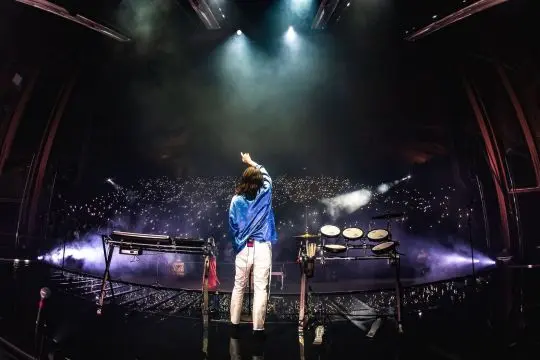
5. Discover Artists at Tiny Shows and Opener Slots
Gen Z fans are attending more concerts than in previous years, and the share citing ticket price as a barrier fell from 75% to 57% over the same period. Opener slots at 300-capacity venues remain one of the most cost-effective discovery surfaces in music. A $15 ticket can introduce you to an artist who may headline that same room in 18 months.
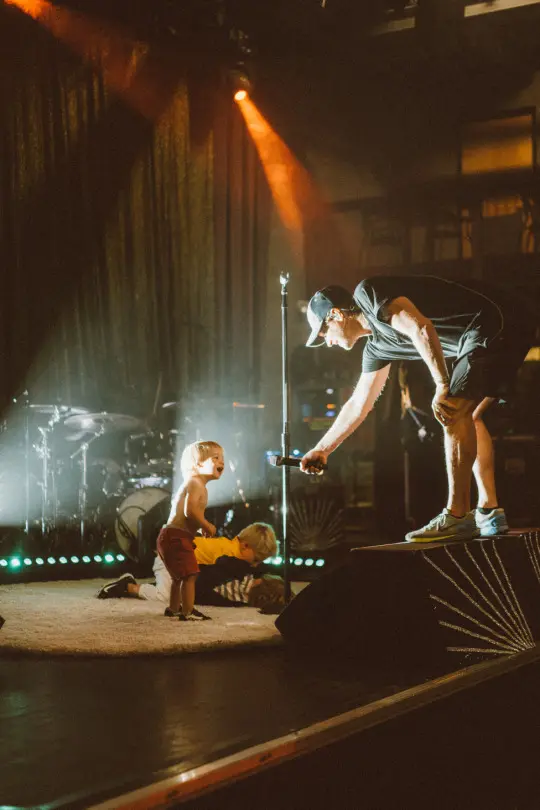
A Tripadvisor report found that 55% of travellers planned to take trips for festivals and gigs in 2025, with the figure at 75% among Gen Z respondents. OnesToWatch’s editorial focus on live performance potential means its featured artists are chosen for stage presence, so its coverage works well as pre-show research.
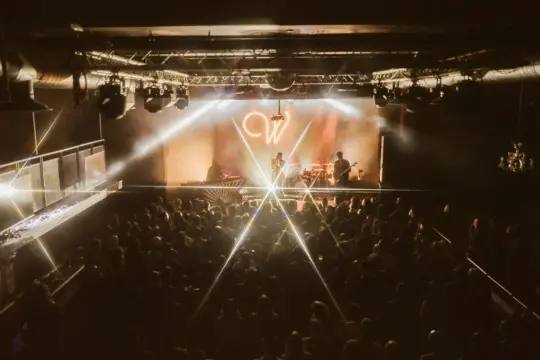
6. Use Reddit Threads as a Secondary Filter
Reddit works best as a follow-up tool after you already have a few artists or scenes in mind. Subreddits like r/indieheads, r/LetsTalkMusic, and genre-specific communities surface recommendations from listeners with no commercial incentive. Sort by top posts of the week, read the comment threads, and prioritize recommendations that mention live shows or label connections.
Media curators including Substack writers, newsletter editors, and Instagram journalists introduce emerging music through trusted taste, adding credibility that influences how labels, bookers, and platform teams perceive new artists. Reddit threads that reference these curators, or that link to OnesToWatch features, signal that a recommendation has passed through several human filters.
7. Turn Algorithms into Amplifiers, Not Gatekeepers
Spotify’s 2025–2026 updates, including Discover Weekly genre filters, taste-profile exclusions, and Prompted Playlists, give listeners greater direct control over recommendations. Use these tools after you have already found a seed artist through Bandcamp, college radio, or a live show. Feed that artist into Spotify’s radio or “fans also like” features to extend your discovery chain.
Spotify’s Fresh Finds ecosystem has served as an early pipeline for more than 1,600 artists who later generated over $100,000 annually on the platform. Human discovery comes first, and algorithmic amplification follows.
20-Minute Weekly Routine Using Bandcamp, Radio, and Labels
This quick routine combines Bandcamp, college radio, and label-following into a single weekly session that fits into 20 minutes.
- Minutes 1–7: Open Bandcamp’s Discover tab. Filter by one specific subgenre tag and sort by new arrivals. Save two or three releases with accurate tags and recent sales activity to a wishlist.
- Minutes 8–13: Check the current week’s college radio chart at collegeradiocharts.com. Find any artist in the top 50 on an independent label you recognize. Stream one track.
- Minutes 14–18: Open one label newsletter or Bandcamp label page from your follow list. Note any new signing or upcoming release. Cross-reference the artist name on OnesToWatch.
- Minutes 19–20: Add any confirmed live dates from the above artists to your calendar. Prioritize opener slots at venues under 500 capacity.
For a curated shortcut to artists already vetted through this kind of editorial process, check out OnesToWatch’s 2026 Top 30 Artists To Watch.
How Gen Z Actually Discovers New Music
MIDiA Research data for 2026 found that 51% of Gen Z listeners aged 16 to 24 name TikTok among their main discovery sources. Social video now acts as the dominant algorithmic surface for this group. Live-event behavior fills in the rest of the picture.
Gen Z live-event attendees spent a monthly average of $101 on concerts and festivals in Q1 2026, outpacing Millennials at $94. This music-tourism behavior, highlighted in TripAdvisor research, shows that Gen Z treats live events as destination experiences. Gen Z discovery in 2026 works as a dual channel: social video for first contact, live events for confirmation and community. Editorial platforms that bridge both, surfacing artists early and tracking their live growth, serve this audience most effectively.
What Is the Spotify 1000 Rule?
The Spotify 1000 rule refers to the threshold Spotify introduced that requires tracks to accumulate at least 1,000 streams in a 12-month period before generating royalty payments. Tracks below that threshold earn nothing, which structurally disadvantages emerging artists with small but genuine audiences.
Human-led discovery helps bypass this threshold problem by sending engaged listeners, not passive algorithmic traffic, to an artist’s work. SoundCloud’s 2026 Music Intelligence Report found that listeners who discover tracks through another user’s “Liked By” playlist are three times more likely to engage with that track and three times more likely to listen outside their most-listened genre compared to algorithm-driven discovery. On Bandcamp, indie artists with engaged supporters often see strong conversion to purchase on new releases, which makes the 1,000-stream threshold less relevant. Editorial placement on platforms like OnesToWatch drives intentional listening that later shows up as real engagement signals on streaming platforms.
Frequently Asked Questions
Best Ways to Discover New Indie Music on Reddit
Reddit works best as a secondary discovery tool rather than a primary one. Subreddits like r/indieheads, r/LetsTalkMusic, r/listentothis, and genre-specific communities such as r/shoegaze or r/postrock surface recommendations from listeners with no commercial incentive. Sort by top posts of the week and read comment threads for context about live shows, label affiliations, and comparisons to known artists. Avoid relying on upvote counts alone. Threads that reference specific venues, tour dates, or independent labels usually surface more genuine emerging talent than viral posts driven by social media crossover.
How to Discover New Indie Music on Bandcamp
Bandcamp offers six primary discovery surfaces: the Discover tab, bought-together recommendations, Bandcamp Daily editorial articles, Album of the Day, the New & Notable weekly roundup, and Bandcamp Radio shows. The most effective starting point is the Discover tab filtered by a specific subgenre tag and sorted by new arrivals. Bandcamp Friday, the first Friday of each month, creates a major demand spike where independent artists see much higher pageviews and sales, which makes it the single best day to browse new releases. Following other fans whose taste aligns with yours generates a newsletter of their purchases that functions as a human-curated recommendation feed.
Is Human Curation Better Than Spotify’s Algorithm for Indie?
For emerging indie artists, human curation surfaces music before artists accumulate the behavioral data that algorithms require. Algorithms reinforce existing listening patterns and favor tracks with established engagement signals, which disadvantages artists in their first 12 to 18 months of releasing music. Human curators, including college radio programmers, Bandcamp editorial staff, and platforms like OnesToWatch, can spot artistic quality, live potential, and scene context before any streaming data exists. The strongest discovery approach in 2026 uses human judgment to locate seed artists, then uses tools like Spotify Radio or Discover Weekly to extend the discovery chain from that starting point.
Role of Live Shows in Indie Music Discovery
Live shows remain one of the clearest signals of an artist’s long-term potential. An artist consistently selling out 200-capacity venues is building a sustainable audience that does not depend on streaming metrics. Opener slots at small venues are especially valuable because they offer low-cost access to artists at the earliest stage of their career. In 2026, Gen Z is attending live events at rising rates and spending more per show than previous generations at the same age. Attending shows by artists featured on editorial platforms like OnesToWatch, which prioritizes live performance potential in its selection criteria, combines human editorial judgment with direct access to the live scene.
Conclusion: Indie Music Discovery Favors Human Curators
In 2026, human curation is becoming more important, not less, in a music landscape increasingly shaped by automation. The seven methods above, from Bandcamp tags and college radio to label ecosystems, geographic scene searches, live shows, selective Reddit use, and algorithm-as-amplifier, create a discovery pipeline that avoids feedback loops and upload noise.
OnesToWatch sits at the center of that pipeline. Its editorial team continues a strong track record with a focus on live performance potential and authentic artistry, the same criteria that led to early coverage of Billie Eilish, Chappell Roan, and Doechii. The platform covers roughly 300 artists per year through features, with only the most compelling making its annual selection, which reflects real editorial judgment rather than algorithmic volume.
Discover your next favorite artist and the stories behind their rise. Explore OnesToWatch’s artist profiles and live coverage to find tomorrow’s headliners before they break mainstream. For a curated starting point built on the editorial principles described above, check out OnesToWatch’s Top Artists To Watch in 2026.