
Written by: Kai Eldridge, Music Discovery Editor, OnesToWatch | Last updated: July 27, 2026
Key Takeaways
- Human-curated platforms like OnesToWatch use clear editorial pipelines that spotlight emerging artists with a strong live focus.
- Spotify’s editorial playlists reach huge audiences but still struggle with AI-generated spam and popularity bias in recommendations.
- SoundCloud and Bandcamp excel at scene-level discovery and direct artist support through peer-driven activity and transparent payouts.
- Music journalism, newsletters, and live events act as powerful non-app discovery channels that add context and peer validation.
- The most effective 2026 discovery workflow combines trusted editorial sources like OnesToWatch with high-frequency human curation and regular live shows.
How This Guide Evaluates Discovery Options
Each option is assessed across nine criteria: curation model (human vs. algorithmic), emerging-artist focus, editorial depth, live-performance coverage, geographic and genre diversity, artist payout ethics, platform transparency, accessibility (free vs. paid), and update frequency. These criteria match the needs of listeners who want to move beyond passive recommendation loops and build repeatable discovery habits.
Comparison Snapshot of Discovery Platforms
| Option | Curation Model | Emerging-Artist Focus |
|---|---|---|
| OnesToWatch | Human editorial | Core mission; ~300 features/year |
| Spotify Editorial Playlists | Hybrid (algorithmic + human) | Moderate; RADAR playlist targets emerging acts |
| SoundCloud | Peer/social + algorithmic | High; scene-based, pre-label discovery |
| Bandcamp | Human editorial (Bandcamp Daily) | High; independent-only catalog |
| Music Journalism & Newsletters | Human editorial | Variable by outlet |
| Live Events & Community Tactics | Human / peer | Very high; pre-streaming exposure |
1. OnesToWatch: Curated Shortlists With Live-First Focus
OnesToWatch is a fully human-curated editorial platform that highlights emerging and independent artists before mainstream breakthrough. Its discovery pipeline moves artists from playlist inclusion to individual features and then to an annual “Class Of” list, with about 300 artist features each year and roughly 20 reaching the yearly selection. The 2026 class spans alt-R&B, pop, rap, electronic, and rock, and each profile covers recent releases, tours, collaborations, and the artistic traits that signal breakout potential.
Strengths: Human editors apply consistent criteria, with a clear emphasis on live performance and long-term potential. The platform has a track record of featuring artists before their mainstream peaks. Limitations: Coverage is intentionally selective at roughly 300 artists per year, so the catalog is narrower than major streaming platforms. Best fit: Listeners who want a trusted shortlist instead of an endless feed and who value narrative context alongside the music.
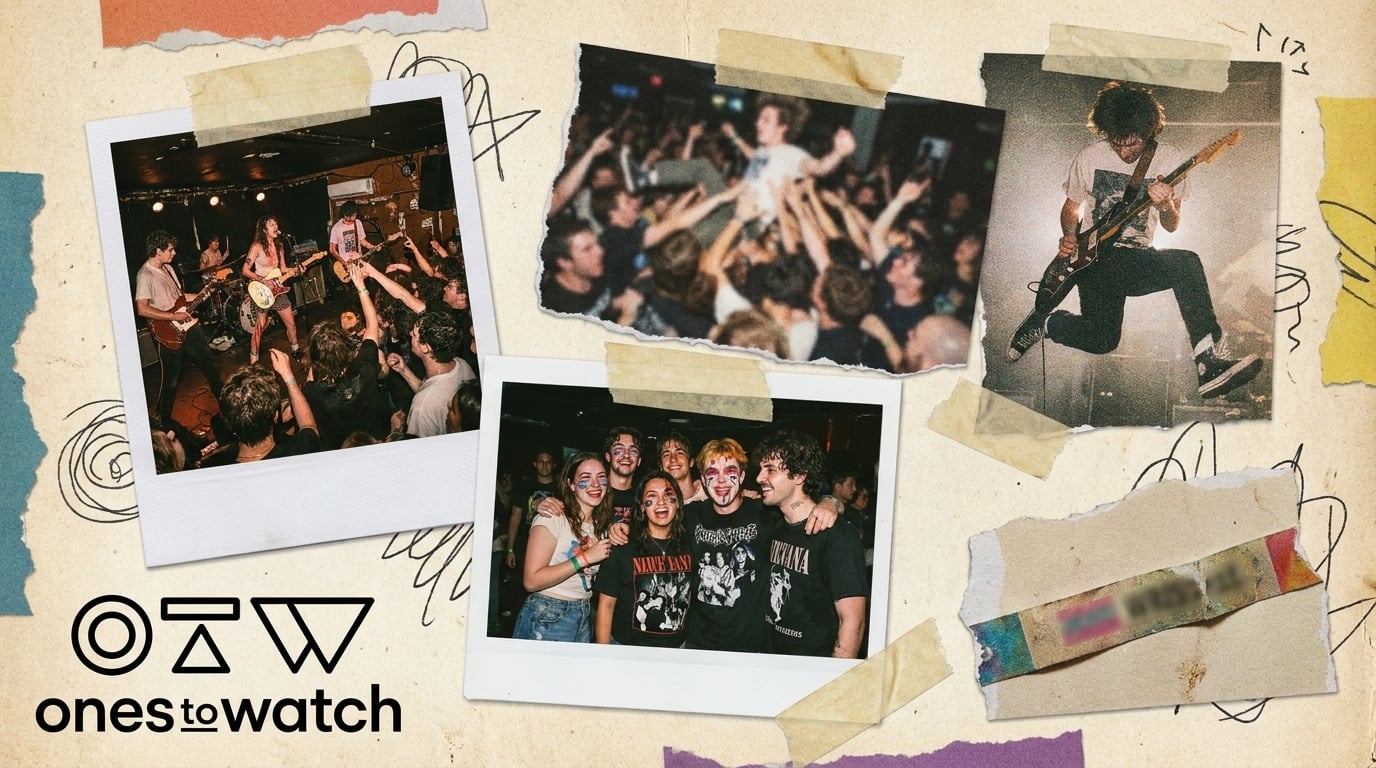
Explore OnesToWatch’s Top 30 Artists To Watch in 2026
2. Spotify Editorial Playlists: Scale With Hybrid Curation
Spotify’s human editorial playlists such as RADAR, RNB X, and genre flagship lists differ fundamentally from algorithmic products like Discover Weekly. The platform has expanded its AI-driven tools, including the December 2025 Prompted Playlist feature, which creates personalized playlists from natural-language descriptions and listening history. The editorial playlists discussed here rely on human curation and create shared cultural reference points that purely individualized algorithms cannot match.
Strengths: Spotify combines massive reach with substantial artist payouts. The company paid more than $11 billion to the music industry in 2025, and independent artists and labels received about half of all royalties. Limitations: This scale comes with two major challenges. Spotify removed more than 75 million spammy tracks in the 12 months to September 2025, showing ongoing AI-spam pressure that can dilute discovery quality. In addition, a 2024 MediaFutures and University of Bergen survey identified popularity bias as a persistent form of algorithmic unfairness in music recommendation systems, which means editorial playlists may still lean toward already-popular artists. Best fit: Listeners who want editorial discovery inside an existing subscription and accept some algorithmic blending.
3. SoundCloud: Scene-Driven, Social Discovery
SoundCloud relies on social behavior rather than editorial gatekeeping. Scenes form through listener activity such as reposts, comments, and “Liked By” discovery, which surfaces momentum before sounds receive industry labels. Tracks discovered through another user’s “Liked By” section often generate likes, reposts, or comments, which signals participatory discovery instead of passive consumption.
Strengths: US SoundCloud listeners spend 43% of their listening time with new music, compared with 24% of Americans age 12+ who say it is “very important” to stay up to date with music. The platform is especially strong for electronic, underground rap, and genre-fluid scenes, and UK underground rap streams rose nearly 300% in 2025. Limitations: Discovery quality depends heavily on the social graph each listener builds, and there is no structured editorial pipeline like OnesToWatch. Best fit: Listeners who enjoy navigating peer networks and want to explore electronic or underground rap communities.
4. Bandcamp: Direct-to-Fan Support With Editorial Depth
Bandcamp combines a direct-to-fan sales model with Bandcamp Daily, a human-edited section that covers independent releases across genres. The payout structure routes revenue straight to artists, which makes Bandcamp one of the more ethically transparent options. The EU AI Act and platform-level AI disclosure tools launched in 2026 reflect wider pressure for transparency, and Bandcamp’s simpler model avoids many of these concerns by design.
Strengths: Direct artist support, deep catalogs for niche and experimental genres, and editorial content that is free from algorithmic influence. Limitations: The catalog is smaller than major DSPs, and discovery can feel narrower without active browsing. Best fit: Listeners who care about supporting artists directly and do not mind spending time digging through releases.
5. Music Journalism, Newsletters, and Radio Curation
A March 2026 Exame analysis highlights music journalism outlets, genre newsletters, video analysis channels, and online radio as structured non-algorithmic discovery methods. Community radio and independent Substack writers choose music based on personal taste instead of data-driven predictions, and listeners who feel recommendation fatigue are turning to these sources in 2026.
Strengths: A 2026 Strategic Solutions Research CRS study of 1,500 country fans found that listeners preferred human-curated playlists over AI-generated ones by more than five to one. These channels also avoid payout and transparency conflicts. Limitations: The landscape is fragmented and requires listeners to assemble several sources into a personal workflow. Best fit: Listeners who enjoy reading or listening to commentary and want context with their discovery.
6. Live Events and Community-Based Tactics
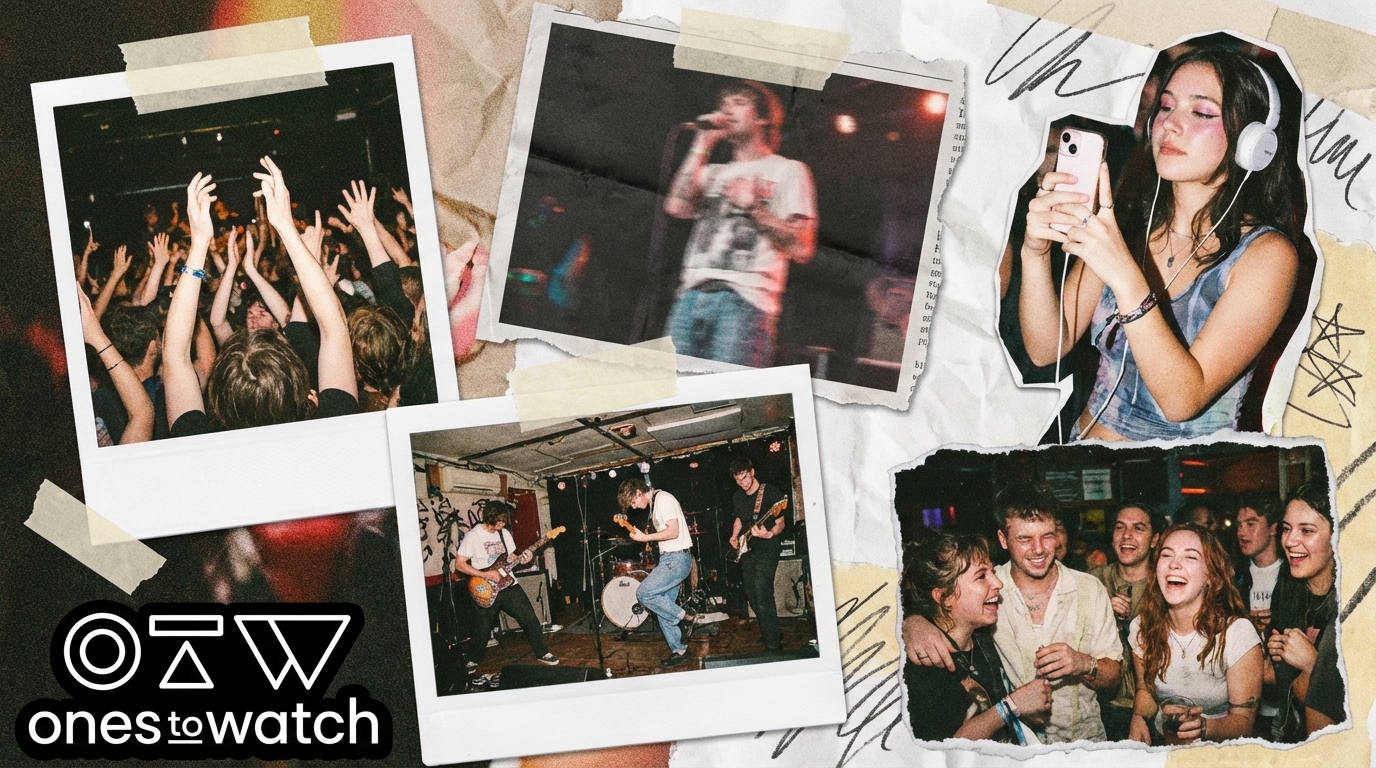
Live events act as a zero-algorithm discovery channel. Arriving early for support acts at headline gigs is one of the most effective ways to discover new artists, because headliners often choose these acts themselves, which removes algorithmic filtering. Additional tactics include:
- Following independent promoters and joining their mailing lists
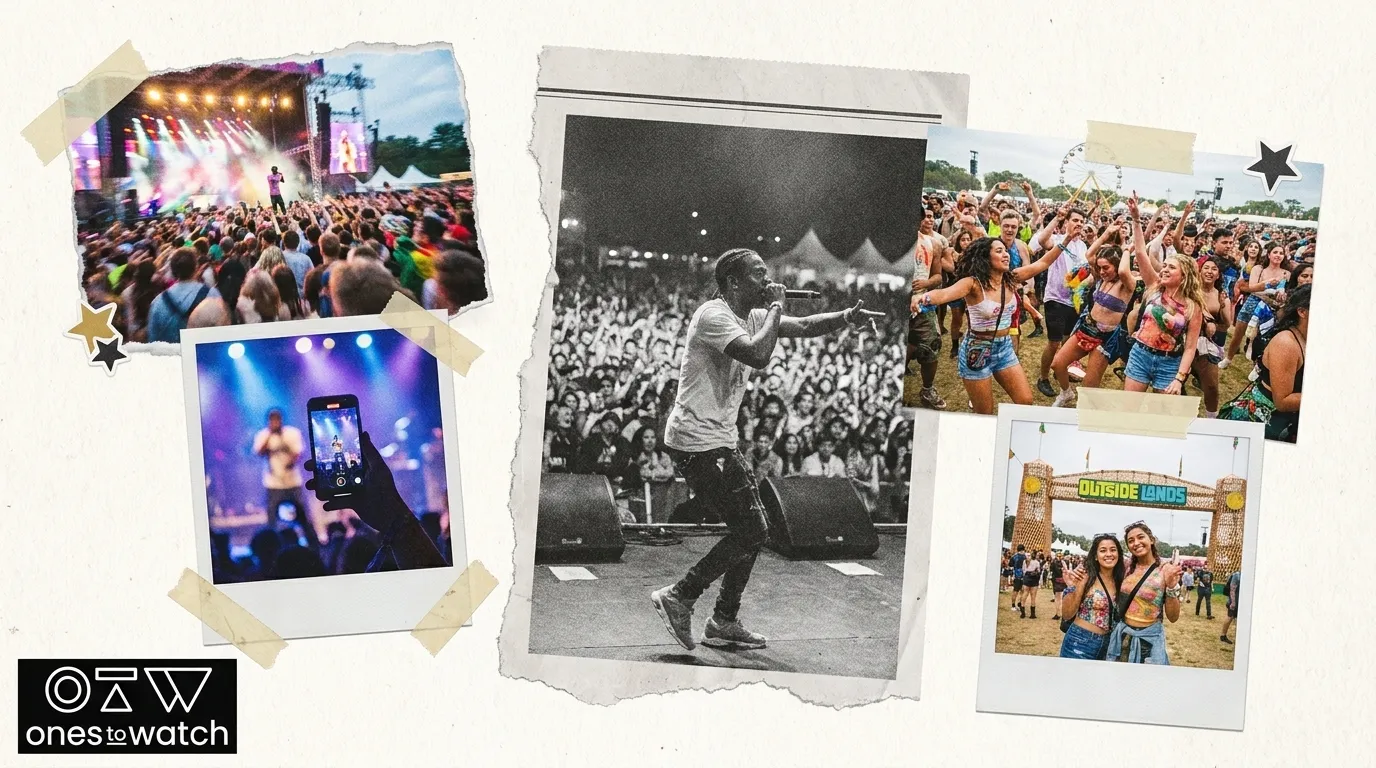
- Exploring full festival lineups beyond headliners, including unsigned or local stages
- Attending open mic nights and curated new-artist showcases
- Keeping a discovery diary with artist name, venue, date, and quick impressions after each show
Strengths: Unfiltered exposure and peer conversations at gigs create a powerful discovery loop. Limitations: Geography and scheduling limit access, so this channel rarely works as a stand-alone daily workflow. Best fit: Listeners in cities with active live scenes who want to strengthen digital discovery with in-person experiences.
Cross-Option Tradeoffs and How They Interact
The six options fall along two main axes: human versus algorithmic curation, and playlist-led versus editorial-led discovery. Spotify’s editorial playlists and SoundCloud’s social layer operate at scale and rely on behavioral data to different degrees. OnesToWatch, Bandcamp Daily, and music journalism outlets remain fully human-curated but vary in update frequency and catalog breadth. Live events and community tactics deliver the strongest signal for emerging artists but offer the least scalability.
Deloitte’s 2026 Digital Media Trends survey of 3,575 US consumers shows that fans engage with artists across many platforms and formats, which confirms that no single option covers every need. A MIDiA Research report found that younger listeners discover fewer artists as they rely more heavily on algorithmic recommendations, which strengthens the case for mixing human-curated and non-app sources.
Selection Guidance by Time, Location, and Browsing Style
Choosing the right mix depends on three variables: how much time a listener has, how easily they can reach live events, and how much they enjoy browsing compared with receiving recommendations.
- For a structured shortlist of vetted emerging artists: OnesToWatch’s annual selection and editorial features provide a curated starting point with clear narrative context.
- For scene-level, pre-label discovery: SoundCloud’s social layer surfaces momentum through listener behavior before editorial coverage appears.
- For direct artist support: Bandcamp pairs discovery with a payout model that sends revenue directly to artists.
- For deeper context and criticism: Music journalism outlets and genre newsletters add critical framing that playlists cannot provide.
- For live-performance-first discovery: Combining OnesToWatch’s live-focused editorial with independent promoter lists and early arrival for support sets creates a durable non-app workflow.
Practical Factors: Diversity, Transparency, and Update Rhythm
Researchers found that music from Africa accounts for 0.3%, the Middle East 0.4%, and South Asia 0.9% of training datasets for generative music tools, while Western genres make up 94% of total hours. This imbalance shapes recommendation outputs. Listeners who build discovery workflows should seek sources with documented geographic and genre diversity instead of assuming algorithms correct for past underrepresentation.
Transparency also matters. Under the EU Digital Services Act, large platforms must disclose the main parameters that determine what content users see and must offer at least one non-personalized feed. Human-curated platforms and editorial outlets sit outside this regulatory framework and make their criteria visible through editorial voice instead of mandated disclosures. As of April 2026, Deezer receives roughly 75,000 fully AI-generated tracks daily, accounting for 44% of all new uploads, which underlines why source transparency matters when judging any recommendation.
Update frequency shapes how listeners use each source. Annual selections like OnesToWatch’s Top 30 act as reference documents, while SoundCloud’s social activity and newsletter editions refresh constantly. A practical daily workflow pairs a stable reference list with at least one high-frequency human-curated source.
Frequently Asked Questions
What makes human-curated music discovery different from algorithmic recommendations in 2026?
Human-curated discovery relies on editors or community members who select music based on listening, taste, and clear editorial criteria instead of behavioral data patterns. As noted earlier, a 2026 study of 1,500 country fans found that listeners preferred human curation by more than five to one, which reflects wider frustration with algorithmic recommendations. Human curators also tend to highlight artists with strong live performance and compelling narratives, while algorithms usually favor engagement metrics over artistic depth. Platforms like OnesToWatch apply consistent criteria across about 300 artist features per year, which creates a transparent selection pipeline that algorithmic playlists do not match.
Is Spotify’s payout model ethical compared to alternatives like Bandcamp?
Spotify paid more than $11 billion to the music industry in 2025, the largest annual payment from any single music retailer, and independent artists and labels received about half of all royalties. However, a November 2025 Fair Play audit found that only 36% of electronic music performances in UK nightclubs resulted in the correct creator being paid, with an estimated 5.7 million pounds misallocated each year. Bandcamp’s direct-to-fan model sends revenue to artists without algorithmic intermediaries, which makes the payout chain shorter and more transparent. Spotify’s scale generates larger absolute payouts, while Bandcamp’s structure ensures a higher share of each purchase reaches the artist.
What are the most effective non-app tactics for discovering emerging artists?
Effective non-app tactics in 2026 include arriving early for support acts at headline gigs, following independent promoters and subscribing to their mailing lists, attending open mic nights and new-artist showcases, exploring full festival lineups beyond headliners, and reading genre-specific editorial newsletters. Peer conversations at live events, such as asking other attendees what they have seen recently, create a systematic discovery loop with no algorithmic filter. Keeping a discovery diary after shows helps listeners remember artists they encounter, especially at festivals with dense lineups.
How does OnesToWatch differ from general music blogs or social media pages?
OnesToWatch runs a structured editorial pipeline that moves artists from playlist inclusion to individual features and then to an annual selection. The team covers about 300 artists per year, and only around 20 reach the yearly list, which creates a clear progression instead of one-off coverage. The focus on live-performance potential and authentic artistry sets OnesToWatch apart from outlets that prioritize streaming metrics or viral moments. Over ten years, the platform has featured more than 850 artists ahead of their mainstream peaks.
Can a single platform replace Spotify for music discovery, or is a multi-source workflow necessary?
A multi-source workflow works better than any single replacement. Deloitte’s 2026 Digital Media Trends survey shows that fans already engage with artists across multiple platforms and formats. Each source covers a different need: OnesToWatch offers a vetted shortlist with editorial depth, SoundCloud surfaces scene-level momentum before label attention, Bandcamp supports direct artist discovery with a transparent payout structure, and live events plus newsletters add context and peer validation. A practical workflow combines a stable annual reference such as OnesToWatch’s Top 30 with at least one continuously updated human-curated source and regular live event attendance.
Conclusion: Building a 2026 Discovery Workflow That Works
Evaluating alternatives to Spotify playlists in 2026 means looking closely at curation model, emerging-artist focus, editorial depth, live-performance coverage, geographic diversity, payout ethics, and transparency. Human-curated platforms and editorial outlets address many weaknesses of algorithmic systems, including popularity bias, geographic underrepresentation, and AI-generated content, but they vary in update pace, catalog size, and accessibility. Peer-driven platforms like SoundCloud and non-app tactics such as live events fill gaps that neither algorithmic nor purely editorial sources cover alone. The strongest discovery workflows pair a trusted editorial reference with high-frequency human-curated sources and at least one non-app channel, tuned to each listener’s time, location, and browsing style.
Discover the artists shaping 2026 on OnesToWatch’s annual Top 30 list