
Written by: Kai Eldridge, Music Discovery Editor, OnesToWatch | Last updated: July 30, 2026
Key Takeaways for Building a Discovery Routine
- Algorithmic playlists reinforce existing taste, so a structured weekly routine across six human-curated channels reliably surfaces new bands before mainstream placement.
- Bandcamp rabbit holes, independent label rosters, community charts, non-commercial radio, local DIY shows, and expert editorial curation each surface artists at different stages of development.
- Each channel needs only 20–30 minutes per session and produces specific, trackable outputs such as new artists added to a list or albums validated by live performance.
- Common pitfalls include relying on a single channel or skipping live validation, both of which recreate the same filter-bubble problem the system is designed to solve.
- Discover your next favorite artist and the stories behind their rise on OnesToWatch, where editorial coverage tracks emerging musicians from first feature through touring status.
Channel 1: Bandcamp Rabbit Holes for Early-Stage Artists
- Open the Discover page. Bandcamp’s Discover page lets fans browse albums and merch that other users are currently buying and filter results by genre, region, or merch type such as vinyl, tapes, CDs, or T-shirts, which creates a human-driven discovery surface rather than an algorithmic one.
- Follow three users with overlapping taste. Fans who follow other users receive a newsletter rounding up all purchases made by those they follow, so peer activity quietly feeds you new releases every week.
- Check Bandcamp Daily on Wednesday. The editorial team publishes a weekly “Cool Band Alert” spotlighting one artist the editorial team is excited about, plus Scene Reports, genre guides, and an Essential Releases column that highlight deeper cuts.
- Attend a Listening Party. Bandcamp’s Listening Parties feature allows fans to join live, real-time listening sessions for new albums with chat discussion, which connects fans directly to artists outside algorithmic playlists.
Decision points: The four steps above form your baseline routine, and two extra moves sharpen the results. Filter by city or region to prioritize local artists. On the first Friday of each month, Bandcamp Daily runs “I Love This Record,” in which a writer introduces readers to a deeply recommended album. Bandcamp Fridays, when the platform waives its revenue share, are strong days to explore because artists promote their pages heavily.
Expected output: Two to four new artists added to a tracking list per session, with full albums available to stream before any purchase commitment.
Channel 2: Independent Label Rosters as Talent Maps
- Identify two or three labels aligned to your genre. Secretly Group, which turns 30 in 2026 and includes Dead Oceans, Secretly Canadian, and Jagjaguwar, is home to Phoebe Bridgers, Mitski, and Bon Iver, showing how a focused roster consistently develops artists before mainstream breakthrough.
- Browse the full roster page monthly. Independent labels account for roughly 30–35% of the global recorded music market by value yet are responsible for approximately 80% of new releases by volume, so roster pages function as dense maps of emerging talent in specific niches.
- Subscribe to label newsletters or social feeds. Advances for artists at large independent labels have tripled in recent years, which signals that labels are investing early and announcing signings before streaming traction builds, often through newsletters and social posts.
- Cross-reference Grammy nominations. Independent labels receive a substantial share of Grammy nominations, so their rosters act as reliable leading indicators of artists approaching wider recognition.
Expected output: A shortlist of five to eight roster artists to monitor over the following month, with release dates flagged.
Channel 3: Community Charts for Listener Consensus
- Open RateYourMusic or a genre-specific forum weekly. Community charts aggregate listener ratings rather than stream counts, which surfaces albums with genuine critical mass among dedicated listeners before algorithmic amplification.
- Sort by “new releases” within your primary genre. Community-rated charts reward depth of listening rather than passive play counts, so they behave very differently from streaming charts.
- Follow three active reviewers whose taste overlaps yours. In 2026, music discovery operates as a connected ecosystem of playlists, social platforms, tastemakers, and algorithmic recommendations, with human curators providing context that algorithms struggle to replicate, and active reviewers sit inside that curator layer.
- Export your weekly finds to a dedicated playlist. This playlist becomes a testing ground for new albums. Tracking which community-chart discoveries hold up over repeated listens identifies which forums consistently match your taste and deserve more of your time.
Expected output: One to three albums per week that have genuine listener consensus but no mainstream coverage yet.
Channel 4: Non-Commercial Radio for Tastemaker Signals
- Schedule one weekly listen to KEXP, NTS, or BBC Radio 6 Music. College radio stations, public radio shows like KEXP, and online platforms like NTS and Radio Garden expose listeners to music that algorithms might never surface, with DJs and hosts introducing new artists and providing contextual interviews.
- Use the station’s archive or tracklist feature. Most non-commercial stations publish timestamped playlists, so you can identify specific tracks heard during a session without relying on memory.
- Follow individual DJs or show hosts. Specific shows within a station often have tighter genre focus than the station’s overall output, which makes them more efficient for targeted discovery.
- Note artists who appear across two or more stations in the same week. Cross-station repetition offers a reliable early signal of an artist gaining traction in the tastemaker layer before streaming charts reflect it.
Expected output: Two to five new artist names per session, with contextual information from the host that streaming metadata rarely provides.
Channel 5: Local and DIY Shows for Live Validation
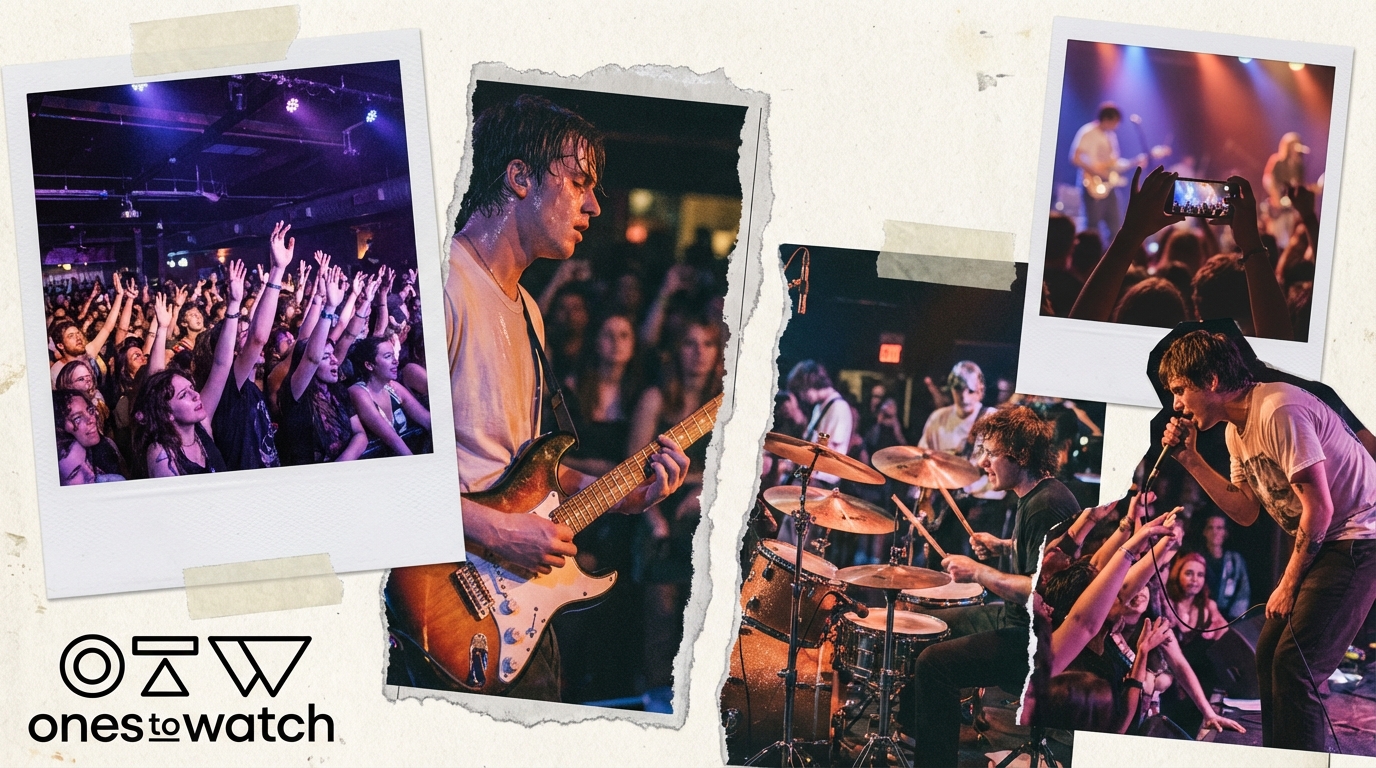
- Attend one local show per month at a small venue. Independent small-cap US venues have faced closures in recent years, concentrated in the 200-cap to 800-cap club tier, but those closures triggered a documented resurgence in DIY and house show routing for the earliest emerging artist tier, particularly visible in the indie rock, folk, hip-hop, and electronic underground scenes.
- Check Sofar Sounds and Discord-coordinated touring networks. Platforms like Sofar Sounds and emerging Discord-coordinated touring networks now serve as primary routing infrastructure for this DIY tier, so they help you find intimate shows even when traditional venues feel thin.
- Look for venues with scene-led programming. In 2026, UK punk operates as active infrastructure for underground discovery through local, fragmented scenes that are deliberately under-documented and sustained by grassroots venues and DIY promoters booking emerging bands. This model, where programming decisions come from scene insiders rather than streaming data, applies across genres globally and makes scene-led venues the most reliable source of genuinely early-stage discovery.
- Photograph or note the support acts. Opening acts at small venues are frequently the most undiscovered artists on any given bill and are often booked by promoters with deep scene knowledge rather than streaming data.
Expected output: Direct exposure to one to three artists at the earliest stage of live development, before any streaming or editorial coverage exists.
Channel 6: Expert Editorial Curation for Context
- Subscribe to two or three music editorial outlets via RSS or newsletter. Music blogs and review sites employ writers who listen to hundreds of albums and singles, making them effective for genre-specific discovery when followed weekly.
- Prioritize outlets with structured artist pipelines. Platforms that track artists from first feature through career milestones provide long-term context that one-off reviews cannot.
- Cross-reference editorial picks with live-performance data. An artist with strong editorial coverage and confirmed live dates sits further along the development curve than one with editorial coverage alone.
- Use editorial features to validate Bandcamp and community-chart finds. A curator placement can generate the first signals around a track, influence future curators, and help build momentum over time, so editorial coverage acts as both a discovery tool and a validation signal.
Discover your next favorite artist and the stories behind their rise. Explore OnesToWatch for exclusive in-depth content that follows emerging artists from early buzz through touring potential.
OnesToWatch covers around 300 artists per year via features, with only around 20 making it to the annual selection, creating a pipeline that spans playlist inclusion, artist features, and yearly selections and tracks artists from emerging status through to touring potential. Artists previously featured include Billie Eilish, Chappell Roan, Olivia Rodrigo, Doechii, and Gracie Abrams, among many others.
Discover the artists shaping 2026’s music landscape on OnesToWatch’s Top Artists To Watch in 2026.
Common Mistakes to Avoid in Your Discovery Routine
Over-reliance on a single channel is the most common failure mode. Each of the six channels surfaces different artists at different stages of development. Bandcamp and DIY shows reach artists before any editorial coverage exists. Label rosters and community charts catch artists in early traction. Non-commercial radio and editorial curation validate artists approaching wider recognition. Using only one channel creates the same filter-bubble problem as algorithmic playlists.
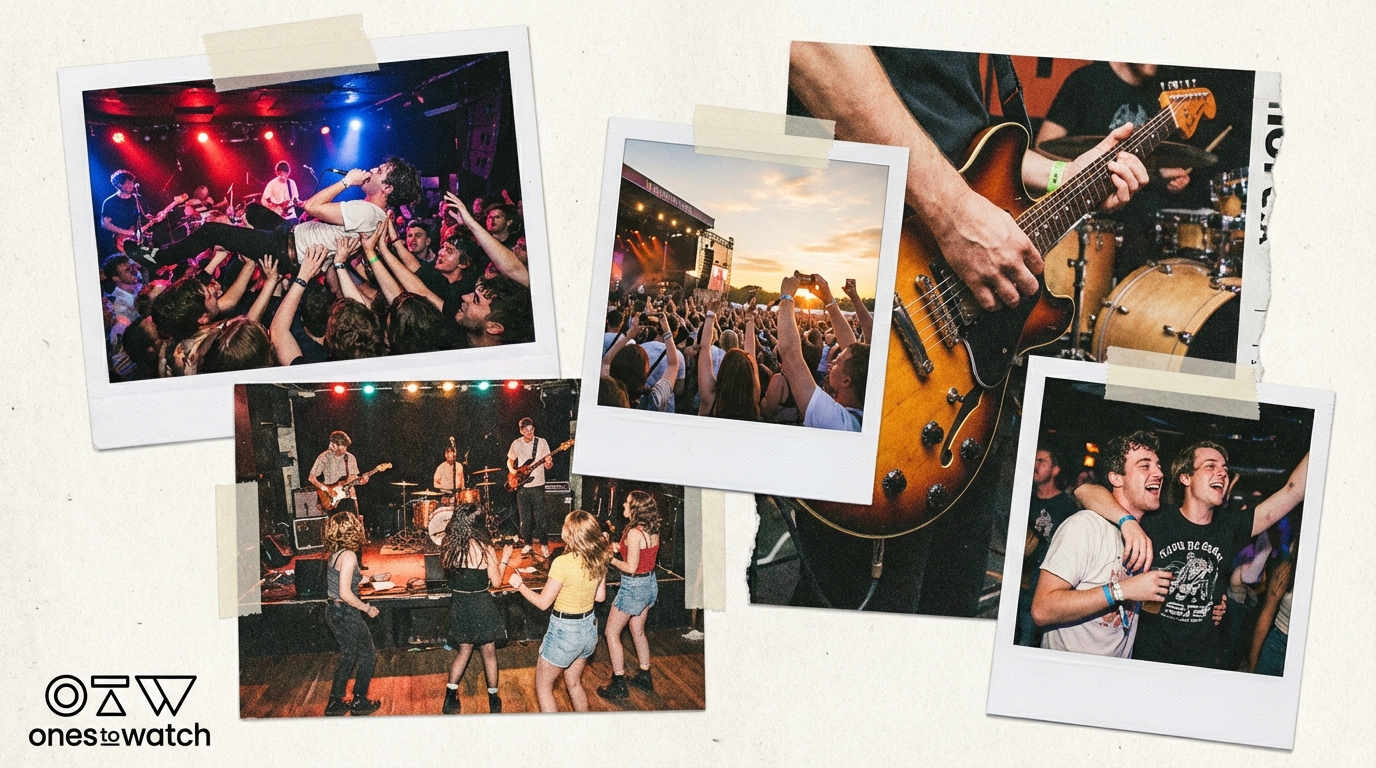
Beyond channel diversity, skipping live validation is the second major mistake. An artist with strong streaming numbers but no live history sits at a different career stage than one with both. The artist development ladder has rerouted around the closed-venue gap rather than disappearing, so live activity still functions as a reliable signal of genuine career momentum.
How to Measure Success of the Six-Channel System
A discovery system only works if it changes your listening behavior and deepens your connection to new music. Three metrics track whether the six-channel routine is working:
- New artists added to rotation per month: A functioning six-channel system should surface at least eight to twelve genuinely new artists per month, defined as artists not previously in any personal playlist or tracking list.
- Tickets purchased at small venues: Attending shows for artists discovered through the system closes the loop between digital discovery and live validation and shows that curiosity is turning into real-world support.
- Playlist growth and retention: Tracking which channels consistently produce artists that remain in rotation after 30 days identifies the two or three channels most aligned to personal taste, which lets you refine how you allocate time.
Variations for Small Towns, Tight Budgets, and Deep Dives
Small towns: Prioritize Channels 1, 2, and 4 because they do not require physical proximity to venues. Bandcamp’s regional filter surfaces local artists regardless of city size, which gives you access to nearby musicians even without a strong venue scene. Non-commercial radio streams globally, so geographic barriers disappear. For live discovery, Discord-coordinated touring networks have expanded DIY routing into markets previously underserved by small-cap venues, which means small-town fans now see touring artists who once bypassed their area.
Limited budgets: All six channels have free entry points. Bandcamp allows full album streaming before purchase. Non-commercial radio is free. Community charts require no subscription. DIY shows typically operate on door-split or low fixed-ticket models.
Deeper catalog dives: Use independent label back-catalogs as a starting point. Independent artists from the European Economic Area released music across up to 578 different genres over the last 12 years, which makes label rosters a reliable entry point for genre-niche exploration. Bandcamp’s tagging system allows filtering by highly specific subgenres that major-platform search cannot replicate.
Frequently Asked Questions About the System
How much time does this six-channel system require each week?
The full system runs on approximately 90 minutes per week distributed across channels. Bandcamp and community charts take 20–25 minutes each. Non-commercial radio can run as background listening during other activities. Label roster checks and editorial reading take 15–20 minutes combined. Local shows require a monthly time block rather than a weekly one. The system is designed to be modular, so any single channel produces value independently, and the full six-channel routine compounds discovery over time.
Do I need paid subscriptions to use any of these channels?
No paid subscriptions are required to start. Bandcamp allows full album streaming before purchase. Non-commercial radio stations including KEXP and NTS stream free online. Community charts on platforms like RateYourMusic have free tiers. Independent label websites and newsletters are free to browse and subscribe to. OnesToWatch’s editorial content and artist features are freely accessible. The only channel with a potential cost is local shows, and DIY events typically carry low door prices.
How is this different from just using Spotify’s Discover Weekly?
Spotify’s Discover Weekly is generated by behavioral data from your existing listening history, which means it reinforces patterns already present in your taste rather than breaking them. The six-channel system described here is built entirely on human curation from editorial writers, label A&R teams, community raters, radio DJs, and live promoters, each of whom applies contextual judgment that behavioral data cannot replicate. The two approaches are not mutually exclusive, because algorithmic tools can serve as a starting point, while the six-channel system surfaces artists that algorithms have not yet indexed.
What is the best channel for discovering artists before they appear on any playlist?
Local and DIY shows and Bandcamp rabbit holes consistently surface artists at the earliest stage of development, before any streaming or editorial coverage exists. DIY promoters book bands based on scene knowledge and personal relationships rather than streaming metrics. Bandcamp’s peer-buying discovery layer reflects purchasing decisions by dedicated listeners, not passive stream counts. Both channels require more active engagement than algorithmic tools but produce artists at a genuinely earlier stage of the discovery curve.
How does OnesToWatch fit into this discovery system?
OnesToWatch functions as the validation and connection layer within the system. Once an artist appears through Bandcamp, a label roster, a community chart, a radio session, or a local show, OnesToWatch’s editorial coverage provides the narrative context, including creative background, live performance history, and career trajectory, that helps you decide whether an artist deserves sustained attention. As noted earlier, the platform’s 300-to-20 artist pipeline gives fans a structured way to follow emerging musicians from first discovery through to touring status.
Recap: Turn the Six Channels into a Habit
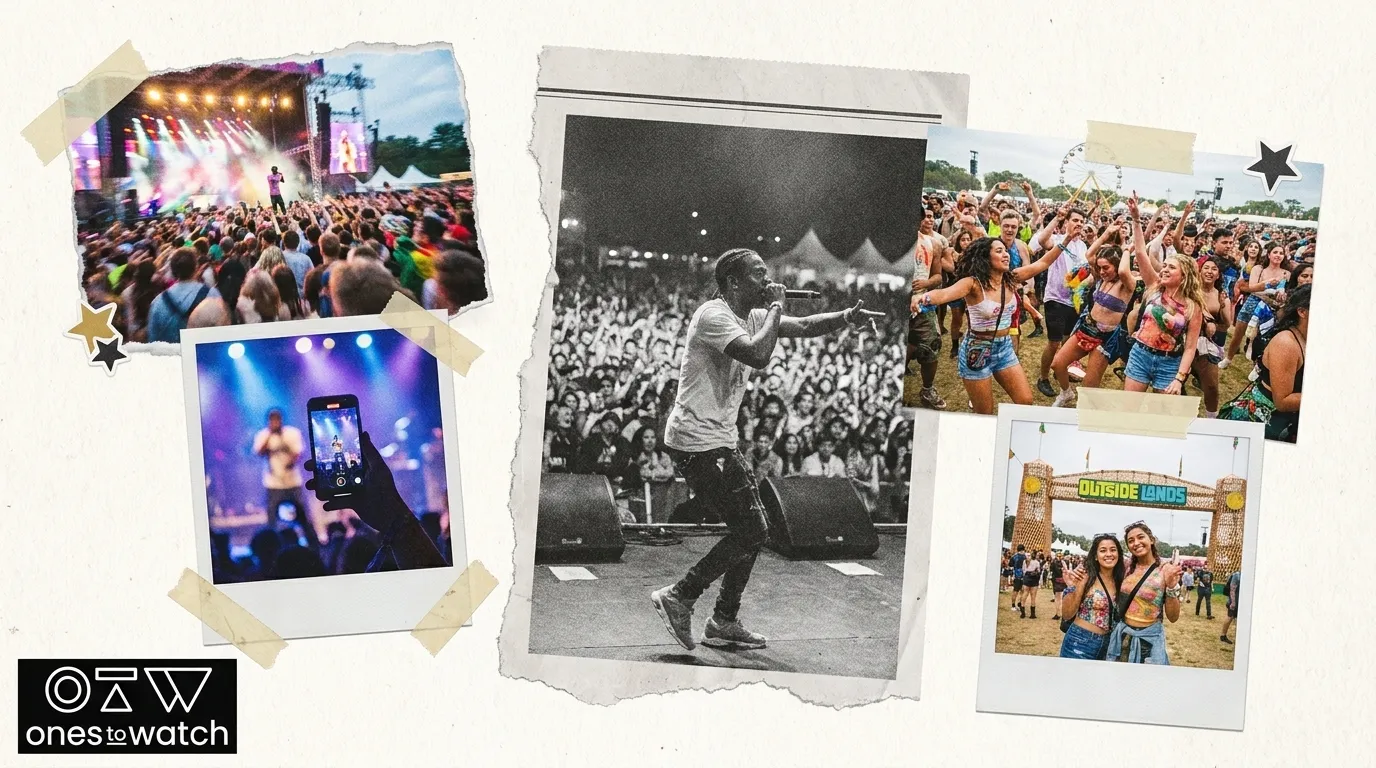
The six-channel weekly system works because each channel operates on a different discovery logic: peer buying behavior, label investment signals, community consensus, tastemaker radio programming, live scene activity, and expert editorial judgment. No single channel replicates another, and no algorithm reliably replicates any of them.
Build a simple weekly rhythm that fits your schedule. Combine one Bandcamp session, a label roster check, a community-chart pass, a non-commercial radio block, one local show per month, and light editorial reading spread across the week. Consistency matters more than exact timing.
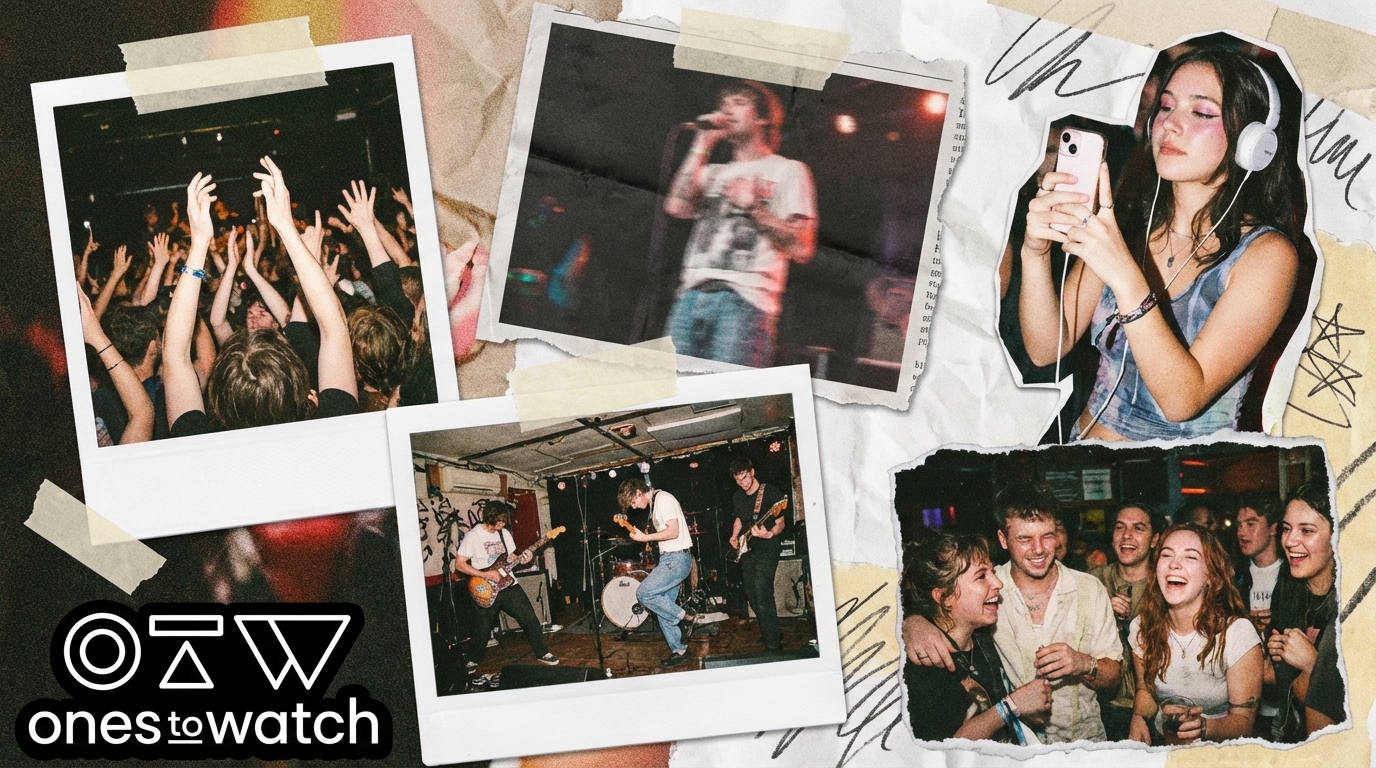
OnesToWatch connects these discovery moments to validated artist stories and live-performance potential, tracking artists from early coverage through touring status. Start building your discovery routine today on the platform that prioritizes authentic curation over algorithmic repetition.
Discover the artists shaping 2026’s music landscape on OnesToWatch’s Top Artists To Watch in 2026.