
Written by: Kai Eldridge, Music Discovery Editor, OnesToWatch | Last updated: August 7, 2026
Key Takeaways
- Streaming platforms upload 99,000 new tracks daily, so human-curated discovery now plays a central role in finding authentic indie talent before algorithmic playlists and manufactured virality reshape the landscape.
- Bandcamp, SoundCloud, and Reddit communities like r/indieheads create a foundation for human-curated discovery through direct artist connections, raw demos, and passionate fan recommendations.
- Blog aggregators like Hype Machine, Indie Shuffle, Stereogum, and BrooklynVegan surface emerging artists through editorial coverage and live-show announcements that signal genuine quality and touring activity.
- Radio platforms including KEXP, college stations, and NTS Radio expose listeners to genre-defying and regional sounds that algorithms typically overlook, with live sessions offering direct performance validation.
- Build a consistent weekly discovery routine across these platforms and check out OnesToWatch for a validated shortlist of 2026’s most promising emerging artists.
10 Best Platforms to Discover New Indie Music Artists in 2026
1. Bandcamp for Direct Artist Support
Bandcamp preserves a direct connection between listeners and independent artists through release pages that include artwork, liner notes, credits, lyrics, format choices, and physical editions. It ranks among the strongest platforms for intentional album listening and direct artist support across virtually every genre, with particular depth in experimental, electronic, jazz, ambient, and underground material.
How to use it: Browse genre and mood tags weekly. Follow independent labels whose rosters align with your taste, and let their new releases surface automatically. Bandcamp Daily provides editorial coverage of underground artists not surfaced by major streaming algorithms, so treat it as a reliable starting point each Monday. Track what similar listeners are purchasing to find lateral discoveries. Note artists listing upcoming live dates on their pages.
2. SoundCloud for Early Demos and Experiments
SoundCloud remains useful for raw indie discovery including demos, alternate versions, scene-adjacent producers, and early experiments, particularly in alternative electronic music and hip-hop. Many tracks appear on SoundCloud months or years before reaching major streaming platforms, which gives scouts one of the earliest signals available.
How to use it: Search by genre tag and sort by recent uploads rather than popularity. Follow producers and DJs whose reposts consistently surface new names. Check comment sections, because engaged early listeners often flag artists worth tracking. Cross-reference any promising act against live booking calendars to assess touring activity.
3. r/indieheads & r/listentothis for Fan-Led Discovery
Online communities like Reddit’s r/listentothis and r/indieheads are filled with passionate music fans sharing their latest finds, and that context makes recommendations more compelling than anonymous algorithmic suggestions. r/listentothis enforces strict community rules favoring genuine discoveries over established artists, while r/indieheads adds deeper critical discussion around emerging acts.
How to use it: Sort r/listentothis by “New” rather than “Hot” to catch artists before they accumulate upvotes. In r/indieheads, use the weekly recommendation threads to cross-reference names appearing across multiple users. Save posts that mention upcoming shows, because live-performance interest in these communities often signals pre-mainstream momentum.
These three platforms form the foundation of a strong human-curation stack. For a validated editorial shortlist of who is already emerging in 2026, explore OnesToWatch’s 2026 Top 30 Artists To Watch, where each profile covers recent releases, tours, and the artistic traits that set these acts apart.
Beyond direct artist platforms and community forums, blog aggregators and editorial outlets provide a second layer of human curation, filtering the raw uploads from Bandcamp and SoundCloud through professional music journalism.
4. Hype Machine for Cross-Blog Signals
Hype Machine aggregates music blogs into a single discovery interface, surfacing tracks gaining traction across independent music journalism and operating entirely outside streaming algorithms. It functions as a real-time index of what human tastemakers are writing about, which makes it one of the most efficient cross-blog discovery tools available in 2026.
How to use it: Check the “Popular” feed on Tuesdays and Thursdays to catch tracks accumulating blog coverage before they reach editorial playlists. Click through to the source blogs for full context on each artist. Treat artists appearing on Hype Machine with multiple blog placements in a short window as strong candidates for live-show scouting.
5. Indie Shuffle for Curated Indie Rock and Dream Pop
Indie Shuffle ranks among the Tier 2 indie rock blogs with substantial but accessible reach in 2026, alongside Gorilla vs Bear, Gold Flake Paint, The Alternative, and No Ripcord. Its editorial team curates daily track posts with short written context, which creates a low-friction source for discovering artists across indie rock, dream pop, and adjacent genres.
How to use it: Subscribe to the daily email digest. Use the genre filter to narrow discovery to specific sounds. Prioritize artists featured on Indie Shuffle who also have active tour pages, because the blog’s editorial bar is high enough that a placement signals genuine quality.
6. KEXP & College Radio for Live Sessions and Regional Scenes
College radio stations and public radio shows like KEXP expose listeners to music that algorithms might never surface, with many programs focusing on specific genres or regional scenes. College radio and public radio outlets such as KEXP, WFUV, and The Current remain viable discovery channels for indie rock in 2026, and listeners can access them through music director submissions and community listening.
How to use it: Stream KEXP’s live sessions archive and note artists performing in-studio, because live session quality directly reflects performance potential. Contact college radio music directors for regional playlists. The Indie Week 2026 panel “From Spins to Strategy” examines how independent labels approach radio strategy across formats and markets, and it offers a framework for evaluating which radio placements carry real discovery weight.
Six platforms in, the workflow already produces a strong candidate list. Cross-validate your finds against editorial judgment by reviewing OnesToWatch’s annual selection to see which emerging acts have already cleared the human-curation bar across alt-R&B, pop, rap, electronic, and rock.
7. NTS Radio for Global and Experimental Sounds
Online platforms like NTS Radio expose listeners to music that algorithms might never surface, with programming that spans experimental, global, and genre-defying sounds. NTS operates as a broadcaster and archive simultaneously, with hundreds of resident shows covering scenes that mainstream platforms ignore entirely.
How to use it: Browse resident show archives by genre or geography. Use NTS to discover artists from regional scenes outside the US and UK. Save tracklists from shows that consistently surface new names, because resident curators on NTS function as reliable human filters for pre-mainstream talent.
8. Stereogum & BrooklynVegan for Editorial Context and Tour News
Tier 1 blogs that drive indie rock discovery in 2026 include Pitchfork, Stereogum, Brooklyn Vegan, The Line of Best Fit, Paste, and Consequence. Stereogum and BrooklynVegan stand out for tracking live activity, because BrooklynVegan’s show listings and Stereogum’s “Band to Watch” features both carry meaningful discovery weight for scouts monitoring the New York and national touring circuits.
How to use it: Follow BrooklynVegan’s show announcement posts to identify artists booking small-to-mid venues before press coverage scales. Indie rock artists pitch these blogs 3 to 4 weeks before release, so a premiere on either outlet signals an imminent release cycle worth tracking.
9. SubmitHub Curator Outreach for Playlist Tastemakers
Submission platforms like SubmitHub and Groover help indie artists identify and reach human playlist curators for discovery in 2026. From a scout’s perspective, SubmitHub’s curator directory functions as a map of active human tastemakers organized by genre, and following curators with strong acceptance-to-quality ratios surfaces artists before they reach editorial blogs.
How to use it: Identify curators in your target genres with high engagement rates and small-to-mid playlist sizes. This focus on engagement over reach reflects a broader shift in Spotify’s 2026 ecosystem: one placement on a highly relevant 5,000-follower playlist where listeners engage with the music outperforms a placement on a 50,000-follower playlist where the track gets skipped. Apply this same principle when evaluating SubmitHub curators, and prioritize those whose playlists show genuine listener engagement over raw follower counts.
10. Live-Show Scouting Circuits for Ground-Truth Validation
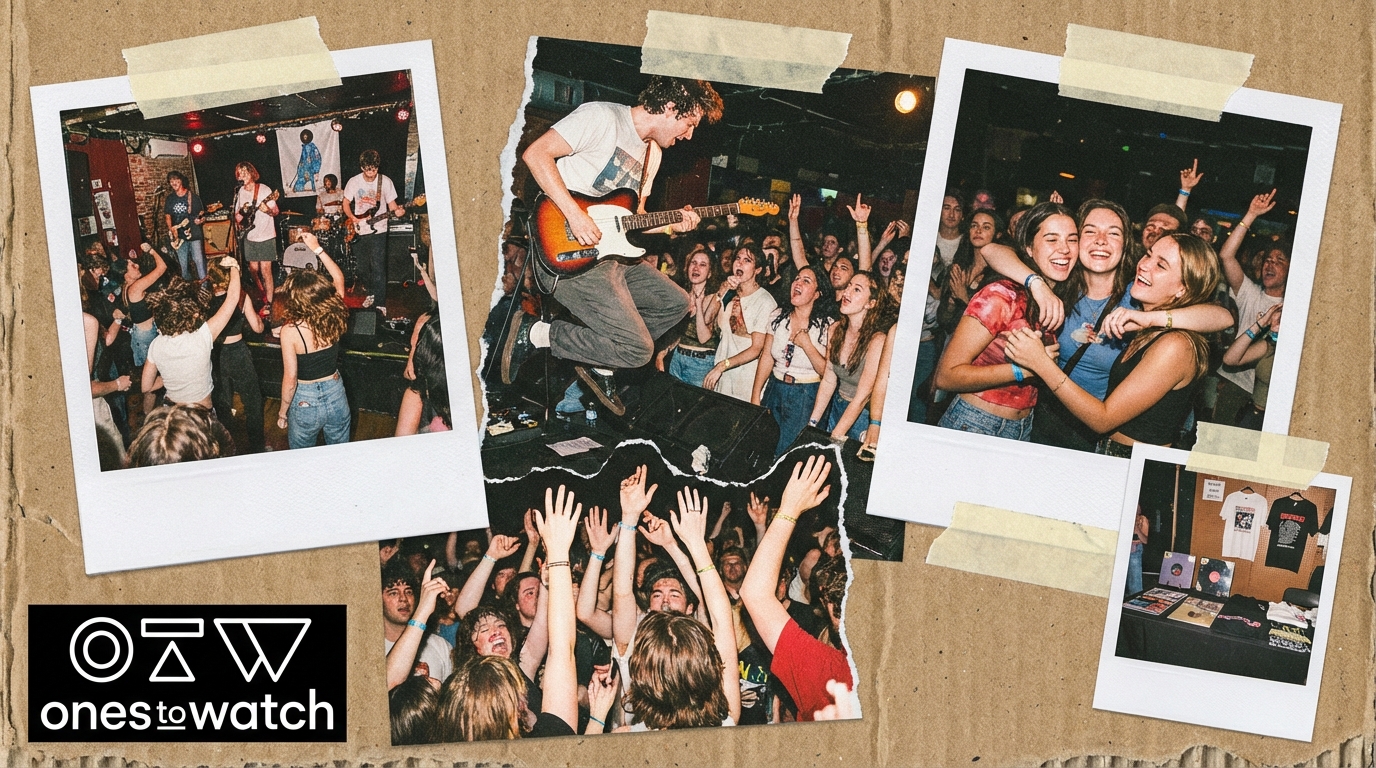
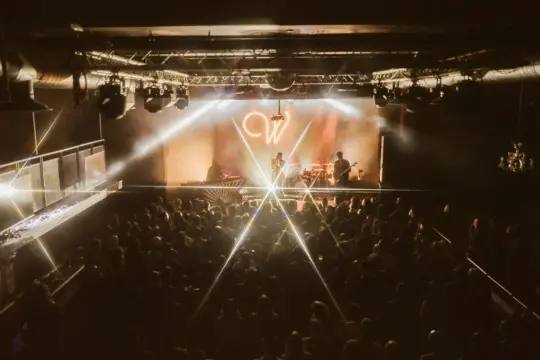
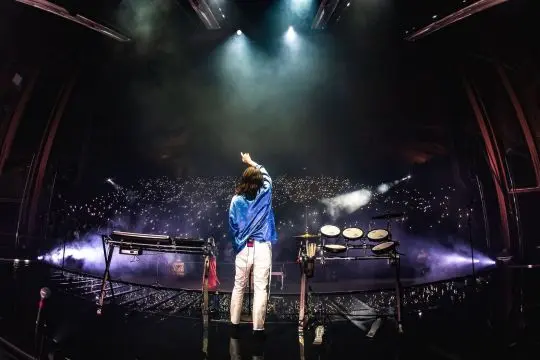
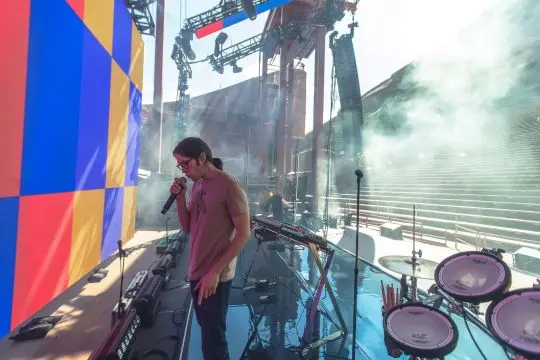
A&R reps used to study the crowd at live shows, and in 2026 that instinct still provides irreplaceable insight into genuine artist potential. Local venue circuits, college showcase events, and independent festival stages surface artists whose live performance translates in ways that recordings cannot fully capture. Indie rock marketing in 2026 still relies primarily on touring circuits as a high-discovery-impact channel.
How to use it: Build a weekly calendar of local venue listings and focus on 100–500 capacity rooms where emerging acts play full sets. Attend college showcase events and regional independent festivals. Cross-reference artists you see live against their Bandcamp, SoundCloud, and blog coverage to assess whether their recorded output matches their stage presence.
Weekly Discovery Routine You Can Stick To
A repeatable Monday–Sunday workflow keeps all 10 platforms manageable and turns discovery into a habit instead of a scramble.
- Monday: Check Bandcamp Daily and new SoundCloud uploads in target genres.
- Tuesday: Browse Hype Machine’s Popular feed and r/listentothis sorted by New.
- Wednesday: Read Indie Shuffle’s daily digest and scan Stereogum’s new posts.
- Thursday: Review BrooklynVegan show announcements and SubmitHub curator playlists.
- Friday: Stream a KEXP live session archive and one NTS resident show.
- Saturday: Engage with r/indieheads weekly recommendation threads.
- Sunday: Attend a local venue show or college radio event and note artists for follow-up research across the platform stack.
This routine keeps human curation at the center, while live-performance scouting on the weekend provides the ground-truth validation that no platform can replicate.
Frequently Asked Questions
Why human-curated platforms outperform algorithms for indie discovery in 2026
Algorithmic recommendation engines reinforce existing listener tastes by design, which creates filter bubbles that limit exposure to genuinely new artists. Human curators, including blog editors, radio programmers, and community moderators, apply contextual judgment that algorithms cannot replicate. They evaluate live performance potential, artistic trajectory, and scene relevance rather than chasing engagement metrics. In 2026, streaming platforms have improved curator transparency and now reward authentic engagement over inflated reach, so human-curated playlists carry more value than ever for finding pre-mainstream talent.
What makes a platform reliable for spotting live-performance potential
Platforms that surface live session recordings, tour date announcements, and editorial context around an artist’s stage presence provide the clearest signals. KEXP’s in-studio sessions, BrooklynVegan’s venue listings, and Bandcamp’s artist pages, which often include tour dates and physical release information, all extend beyond recorded output. Live-show scouting at local venues still offers the most direct method, because it reveals an artist’s ability to hold a room, which no streaming metric can substitute.
How manufactured virality affects indie discovery and how to avoid it
Agencies now run coordinated campaigns using fake fanpages, influencer placements, and user-generated content to manufacture positive sentiment around indie artists on short-form video platforms. This practice distorts discovery by making artificially hyped acts appear to have organic momentum. Fans and scouts can reduce exposure to manufactured virality by prioritizing platforms with editorial accountability, such as blogs with named critics, radio shows with identifiable programmers, and community forums with strict posting rules, over anonymous short-form video recommendations. Cross-referencing an artist across multiple independent human-curated sources remains the most reliable filter.
How often to check these platforms to stay ahead of mainstream breakthrough
A daily check of one or two platforms, combined with a structured weekly routine, keeps most dedicated fans and scouts ahead of the curve. Consistency matters more than volume, because following a small number of trusted curators across Bandcamp, Hype Machine, and one or two blogs produces a better signal-to-noise ratio than monitoring every platform simultaneously. Live-show attendance at least once per week then provides the ground-truth validation that completes the workflow.
The role OnesToWatch plays in a human-curation discovery workflow
OnesToWatch functions as an editorial validation layer at the top of the discovery pipeline. After identifying artists through platforms like Bandcamp, SoundCloud, or college radio, fans and scouts can cross-reference those artists against OnesToWatch’s features and yearly selections to see whether they have cleared a rigorous human-curation bar. OnesToWatch covers approximately 300 artists per year through editorial features, with only around 20 advancing to the annual class selection, so a placement signals genuine breakout potential. The platform also highlights live performance potential and upcoming tour activity, which connects discovery directly to the live music experience.
Conclusion
Algorithmic playlists and manufactured virality now form structural features of the 2026 music landscape rather than temporary noise. The platforms and routines above, anchored in human editorial judgment, community curation, and live-show scouting, create a repeatable workflow for finding authentic indie artists before mainstream breakthrough. Streaming has elevated the curatorial layer as the new bottleneck for discovery, and scouts and fans who build human-curation habits now will consistently find artists earlier and more reliably than those who rely on algorithmic convenience alone. For a fully validated starting point, see the complete 2026 Top 30 list, which highlights 30 emerging acts across alt-R&B, pop, rap, electronic, and rock, selected through the same human-curation principles this workflow follows.