
Written by: Kai Eldridge, Music Discovery Editor, OnesToWatch | Last updated: August 6, 2026
Key Takeaways
- Gen Z is moving beyond Spotify’s algorithmic playlists and building multi-platform workflows that start on TikTok, move to SoundCloud, and end at live shows.
- Human-curated platforms surface underground artists weeks before algorithms catch up, which gives listeners earlier access to emerging talent.
- Live-performance connection is now a core discovery criterion, and platforms that link new music to touring schedules win Gen Z attention.
- Ethical payouts and artist-first economics remain weak spots for most major platforms, with Bandcamp and TIDAL leading but lacking editorial scale.
- OnesToWatch stands out by connecting discovery directly to an artist’s career pipeline, from playlist to feature to sold-out tour, so fans can be in the room before the arena fills up.
How Gen Z Actually Finds New Music in 2026
Playlist fatigue defines the 2026 listening experience. Spotify’s Discover Weekly and Daily Mixes recycle the same mid-tier catalog artists because the algorithm prioritizes engagement signals over novelty. Gen Z listeners respond by building multi-platform workflows. A 15-second TikTok clip leads to a SoundCloud deep-dive, then a YouTube live-session rabbit hole, and finally a ticket purchase for a 300-cap venue show.
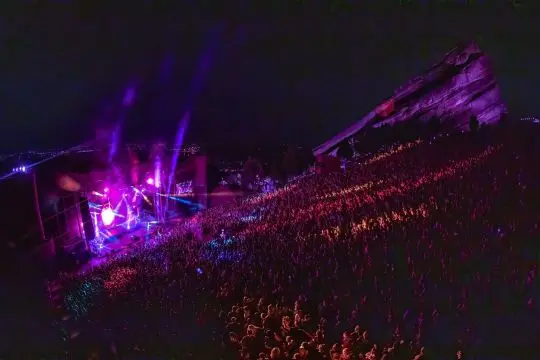
The desire to support touring artists is stronger than in any previous generation. Gen Z treats a live show as the ultimate validation of an artist’s authenticity and wants to be in the room before the artist graduates to arenas. That behavioral shift creates real demand for platforms that connect discovery to live-performance context, not just streaming numbers. OnesToWatch exists to fill that gap.
How This Guide Evaluates Discovery Platforms
Each platform below is assessed across multiple criteria, with key dimensions summarized in the comparison table.
- Curation model: algorithmic, human, or hybrid
- Artist-stage focus: emerging, mid-tier, or mainstream
- Editorial depth: context and narrative behind the music
- Genre range: breadth across underground and niche scenes
- Update frequency: how often new artists surface
- Live-music connection: links to touring and show context
- Accessibility: free tier availability and friction
- Ethical payouts: per-stream rates and artist-first economics
Platform Comparison Table
| Platform | Curation Model | Discovery Speed | Live-Music Connection |
|---|---|---|---|
| TikTok | Algorithmic | Fastest (viral loop) | Minimal |
| YouTube Music | Algorithmic + catalog | Fast | Low (live videos only) |
| SoundCloud | Hybrid | Fast (open upload) | Low |
| Apple Music | Hybrid (editorial + algo) | Moderate | Low |
| Bandcamp | Human (fan-driven) | Moderate | Moderate (merch + shows) |
| TIDAL | Hybrid (editorial + algo) | Moderate | Low |
| OnesToWatch | Human (editorial pipeline) | High (pre-viral) | High (career pipeline) |
TikTok: Viral Speed, Shallow Context
TikTok remains the fastest raw discovery engine on the planet. A track can go from zero plays to a million impressions inside 48 hours if the For You Page algorithm picks it up, and that can happen without a label deal.
The trade-off is depth. TikTok surfaces the hook, not the artist. Listeners rarely learn who made the sound or when that artist is playing a show nearby. Payout structures for artists on TikTok’s creator programs remain among the lowest per-play in the industry, and the platform’s content moderation can pull tracks without warning.
- Curation style: Fully algorithmic, engagement-driven
- Artist focus: Any stage, with virality as the main filter
- Content format: Short-form video clips
- Best-fit listener: Trend-first fans who want the newest sound immediately
YouTube Music: Live Sessions and Deep Catalog
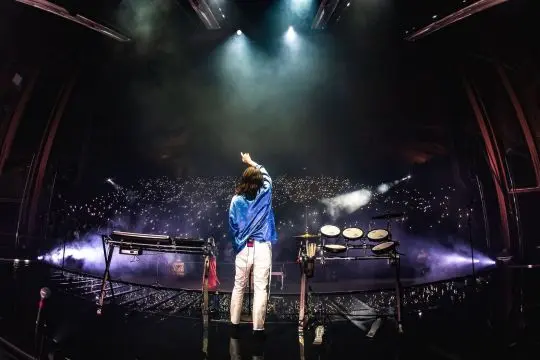
YouTube Music inherits the deepest music catalog on the internet and pairs it with an algorithm that excels at surfacing live sessions, acoustic cuts, and fan-uploaded rarities. For Gen Z listeners who want to see an artist perform before buying a ticket, YouTube’s live-video ecosystem is genuinely useful.
Discovery of truly underground artists is slower here than on TikTok or SoundCloud because the algorithm favors watch-time, which benefits established acts. Artist payouts through YouTube’s ad-revenue model are also inconsistent and heavily dependent on viewer geography.
- Curation style: Algorithmic with some editorial playlists
- Artist focus: Mid-tier to mainstream, with pockets of underground
- Content format: Video, live sessions, lyric videos
- Best-fit listener: Visual learners who want performance context
SoundCloud: First Stop for Underground Scenes
SoundCloud is where underground music often lives before it goes anywhere else. The open-upload model lets an artist post a track at midnight and place it in a listener’s feed by morning, with no distributor, label, or gatekeeper. Genres like hyperpop, Jersey club, and bedroom pop consistently break on SoundCloud months before Spotify playlists catch up.
The platform’s monetization tools have improved, but per-stream payouts through SoundCloud Go+ remain modest. There is also no meaningful live-performance integration, so the discovery-to-show pipeline usually requires listeners to do their own legwork.
- Curation style: Hybrid, with an algorithmic feed plus community reposts
- Artist focus: Emerging and DIY artists at every stage
- Content format: Audio tracks, mixes, demos
- Best-fit listener: Underground hunters who want music before it has a Wikipedia page
Explore artists ready for their breakthrough who have already moved through the underground phase and are building their next chapter.
Apple Music: Editorial Radio and Premium Playlists
Moving from underground-first platforms to mainstream services with editorial depth, Apple Music offers a strong human touch. Its editorial team, particularly through genre-specific radio stations, produces some of the most credible human-curated playlists in mainstream streaming. The platform invests in artist interviews and exclusive releases that give listeners real context around new music.
The discovery ceiling is real, though. Apple Music’s algorithm skews toward catalog and commercially viable artists. The platform also requires a paid subscription with no meaningful free tier, and that friction matters for Gen Z listeners on a budget.
- Curation style: Hybrid, with a strong editorial team plus algorithmic recommendations
- Artist focus: Mid-tier to mainstream, with editorial spotlights on emerging acts
- Content format: Audio, radio, exclusive releases
- Best-fit listener: Premium subscribers who value editorial credibility
Bandcamp: Direct Support for Independent Artists
Bandcamp is the most artist-friendly platform on this list by a significant margin. Artists set their own prices, fans can pay above asking, and Bandcamp passes the majority of revenue directly to the creator. Bandcamp Fridays, when the platform waives its revenue share entirely, have become a genuine cultural moment for independent music communities.
Discovery speed is slower because Bandcamp relies on genre tags and fan recommendations instead of a powerful algorithm. The live-music connection sits in the middle. Many artists list upcoming shows on their Bandcamp pages, but the platform does not offer integrated ticketing or a robust tour-discovery feature.
- Curation style: Fan-driven, tag-based browsing
- Artist focus: Independent and DIY artists across all genres
- Content format: Albums, EPs, singles, merch
- Best-fit listener: Ethical consumers who want their money to reach the artist directly
TIDAL: High-Fidelity Streaming with Better Payouts
TIDAL positions itself on audio quality and artist equity, and its per-stream payout rates are among the highest of any major streaming platform. The editorial team produces thoughtful playlists and artist spotlights, particularly in R&B and hip-hop.
TIDAL’s user base remains smaller than Spotify or Apple Music, which limits the network effects that drive discovery. Underground and emerging-artist coverage exists but does not sit at the center of the product.
- Curation style: Hybrid, with editorial plus algorithmic input
- Artist focus: Established and mid-tier artists, with some emerging coverage
- Content format: High-fidelity audio, video, editorial features
- Best-fit listener: Audiophiles and ethics-conscious streamers willing to pay a premium
Ethical Payouts and Career Pipelines for Artists
Payout ethics and career pipelines remain weak points for most platforms. TikTok and YouTube generate cultural moments but rarely sustainable income for artists. Bandcamp solves the payout problem with its artist-friendly revenue model, yet it lacks the editorial infrastructure needed to move an artist from discovery to a national tour. TIDAL addresses the payout issue as well, but its smaller user base means it does not surface underground artists at the scale needed for meaningful discovery.
OnesToWatch approaches this challenge differently. The platform operates a structured editorial pipeline where emerging artists enter through curated playlists, advance to full artist features, and the most compelling talents earn a spot in the annual selection. Of the roughly 300 artists featured each year, only around 20 make the yearly list, which creates a filter that carries genuine industry weight. Artists like Dua Lipa, Halsey, and Imagine Dragons moved through the Ones to Watch pipeline before their careers reached arena scale.
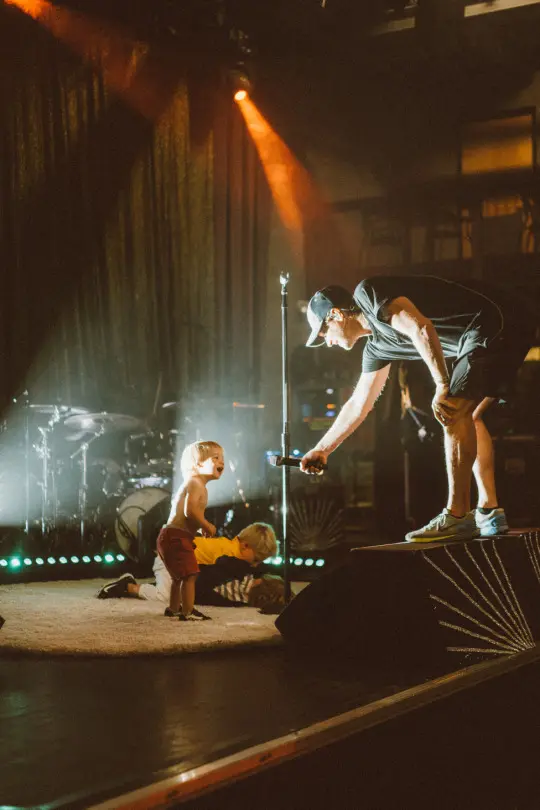
The live-performance focus sits at the core of that editorial approach. OnesToWatch prioritizes artists with strong stage presence and touring potential. Fans who discover an artist through the platform are already being pointed toward the live experience, not just a streaming number.
Check out OnesToWatch’s Top Artists To Watch in 2026.
Frequently Asked Questions
What is the difference between human curation and algorithmic curation for music discovery?
Algorithmic curation uses listening data, engagement signals, and behavioral patterns to recommend music automatically. It is fast and personalized but often reinforces existing tastes instead of introducing genuinely new sounds. Human curation involves editors and music experts who actively listen to and select artists based on qualitative criteria like originality, live potential, and cultural relevance. Platforms like OnesToWatch use human curation to surface artists weeks or months before algorithms catch up, which gives listeners access to underground talent at an earlier stage.
Which platform is best for discovering local or regional underground artists?
SoundCloud remains a strong option for hyper-local and regional underground discovery because its open-upload model allows any artist to post music without a distributor. Bandcamp also serves regional scenes well, particularly in indie, metal, and experimental genres, because artists tag their location and genre directly. OnesToWatch complements both by providing editorial context and a career narrative for artists who have moved past the demo stage and are building toward a touring career.
How often do these platforms update their discovery features with new artists?
TikTok and SoundCloud surface new artists in near real-time through their open-upload and algorithmic feed models. Apple Music and TIDAL update editorial playlists weekly. OnesToWatch publishes artist features on a rolling basis throughout the year, covering approximately 300 artists annually, with the annual Top 30 selection released at the start of each year. That cadence is slower than social platforms, but the editorial depth per artist is significantly greater.
How does OnesToWatch connect music discovery to live performance opportunities?
OnesToWatch’s editorial focus explicitly prioritizes artists with strong live-performance potential. Features regularly include context about an artist’s stage presence, touring history, and upcoming shows. The platform’s career pipeline, from playlist inclusion to featured artist to annual selection, mirrors the trajectory of an artist moving from small venues to larger stages. Fans who follow OnesToWatch’s coverage are naturally guided toward the live experience as part of the discovery journey, not as an afterthought.

Are there Spotify alternatives that pay artists more fairly?
Bandcamp is widely regarded as the most artist-friendly platform in terms of direct revenue, since artists set their own prices and receive the majority of each sale. TIDAL offers per-stream rates that are higher than Spotify’s standard rates. OnesToWatch operates as an editorial and discovery platform rather than a streaming service, so its contribution to artist income is indirect. That contribution comes through exposure, industry credibility, and a career pipeline that leads to touring revenue, which remains the most significant income source for most independent artists.
Conclusion: Choosing the Right Spotify Alternative
The right platform depends on what you want from music discovery. TikTok and SoundCloud win on raw discovery speed. Bandcamp and TIDAL lead on ethical economics. Apple Music and YouTube Music offer the deepest catalog with varying editorial quality. OnesToWatch occupies a distinct position by delivering on the career-pipeline promise established earlier. Fans who discover artists through the platform are naturally positioned to follow them from small venues to larger stages, instead of finding them only after they have already broken through.
Start discovering your next favorite artist before everyone else does.