How to Discover Real Underground Music Artists in 2026
Written by: Kai Eldridge, Music Discovery Editor, OnesToWatch | Last updated: August 21, 2026
Key Takeaways for 2026 Underground Discovery
Real underground artists in 2026 work outside algorithmic promotion, build small but active local scenes, and play verifiable shows.
Reliable verification combines multiple signals, including release history, collaborator networks, venue bookings, follower behavior, and cross-platform consistency.
Manual workflows using Bandcamp tags, NTS tracklists, SoundCloud repost chains, tiny-label mapping, and community sourcing reveal artists algorithms miss.
Geographic scene mapping, Discord and forum sourcing, and local venue calendar checks provide early signals before mainstream coverage appears.
Follow OnesToWatch to see which emerging underground artists clear a human editorial bar.
Verification Checklist for Underground Artists
Real underground artists leave a trail across releases, collaborators, shows, and platforms. A reliable verification process combines release history, collaborator networks, official websites, interviews, documented performances, and rights information into one picture. Comparing credits across at least three releases shows whether recurring collaborators and rights holders form a coherent creative network instead of an inflated or synthetic profile.
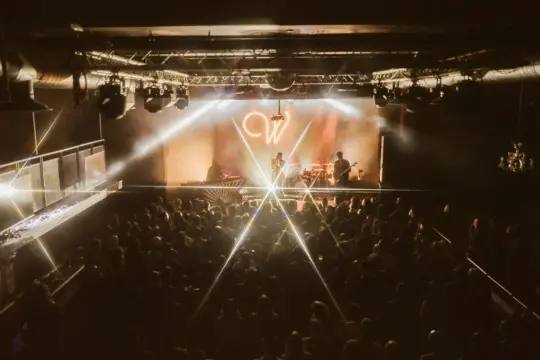
Live is where genuine fandom begins — a room full of strangers turning into a crowd for an act they'll be telling friends about tomorrow.
The following checklist turns those principles into concrete signals you can review before adding an artist to your pipeline:
Release history: Consistent output over time with traceable credits and recurring collaborators.
Collaborator network: Cross-linked profiles, label catalogue appearances, and songwriter credits that point to a real scene.
Venue calendar: Documented bookings at small rooms, DIY spaces, or independent bars, not only festival announcements.
Follower authenticity: Modest follower counts with specific comments where fans reference lyrics, shows, or scene context.
Platform signals: Spotify’s Verified by Spotify badge requires concert dates, merchandise, and linked social accounts reviewed by humans, so it offers a useful, though not essential, signal.
Cross-platform consistency: Matching identity across Bandcamp, SoundCloud, and social profiles, supported by dated press or community coverage.
Common Pitfalls: Fake-Underground Red Flags
Follower spikes with no matching live activity or coverage.
Paid playlist placements presented as organic discovery.
Biographies copied across empty profiles with no linked label catalogue.
Release volume that exceeds any plausible creative timeline.
Unusual artwork and vocal artifacts treated as final proof of inauthenticity instead of clues that require more research.
Collaborative filtering algorithms struggle with cold-start tracks that have no listening history, which hurts underground and emerging artists with few prior plays. Many music professionals describe recommender systems as opaque and believe passive listening reduces chances to encounter niche or emerging artists.
The 8-step manual workflow below links platforms, scenes, and communities into a repeatable rabbit-hole system that surfaces verifiable underground artists every month.
OnesToWatch operates as the human-curated validation layer at the end of this workflow, covering around 300 artists per year through features and reserving annual selections for the most compelling names.
Chain tags by opening multiple Discover searches at once. Start with a broad genre tag, then open the label page of any standout release and search its other tags. Geographic tags such as “warsaw electronic” or “porto experimental” narrow results to active local scenes that often press vinyl-first runs without major distributors.
Step 2: NTS Tracklist Reverse-Engineering
Pull the tracklist from any NTS show in a target genre and treat every unfamiliar track as a candidate. Search the artist name on Bandcamp and SoundCloud immediately. If they have under 500 followers and a release history longer than one year, move them to the verification checklist. NTS hosts curate from promo networks and club sets, and these tracks often get tested in clubs and circulated to DJs and specialist radio hosts long before they reach streaming platforms.
Insider Tip: NTS
Focus on shows from hosts with fewer than 10,000 social followers. Smaller hosts face less pressure to chase mainstream appeal. Archive episodes from 6 to 12 months ago often feature artists who now sit at the edge of their first wider coverage.
Step 3: SoundCloud Tag Chaining
SoundCloud naturally follows NTS in this workflow because it captures many early uploads from the same scenes. Search a target micro-genre tag on SoundCloud and sort by recent uploads. Open the profile of any artist with under 1,000 followers and a visible repost history. Their reposts form a curated feed of scene peers. Follow that chain through three or four profiles to map a micro-community. Micro-community discovery of underground electronic music in 2026 relies on SoundCloud mixes and label showcases alongside Bandcamp tag searches and small-club sets.
Insider Tip: SoundCloud
Repost chains carry more weight than follower counts. An artist with 400 followers who receives consistent reposts from five respected scene accounts sends a stronger signal than one with 5,000 followers and no reposts from identifiable community members.
When a label releases a compilation, treat every featured artist as a node. Map their Bandcamp pages, note which other labels they appear on, and follow those labels. Three rounds of chaining usually surface 15 to 20 artists, of which 3 to 5 often pass the verification checklist.
Steps 5–8: Scene Mapping and Community Sourcing
Step 5: Geographic Scene Mapping
Active underground electronic scenes in 2026 include Berlin, Detroit, Chicago, Seoul, London, Amsterdam, Vienna, and Tbilisi, with artists releasing on local Bandcamp pages and playing 300-capacity clubs without playlist support. Underground routes now connect Ukraine, Colombia, Mexico, Jamaica, and New York’s Caribbean underground, so discovery often starts with geography and local sonic labs. Map a scene by listing its active venues, resident DJs or promoters, and the labels releasing its artists.
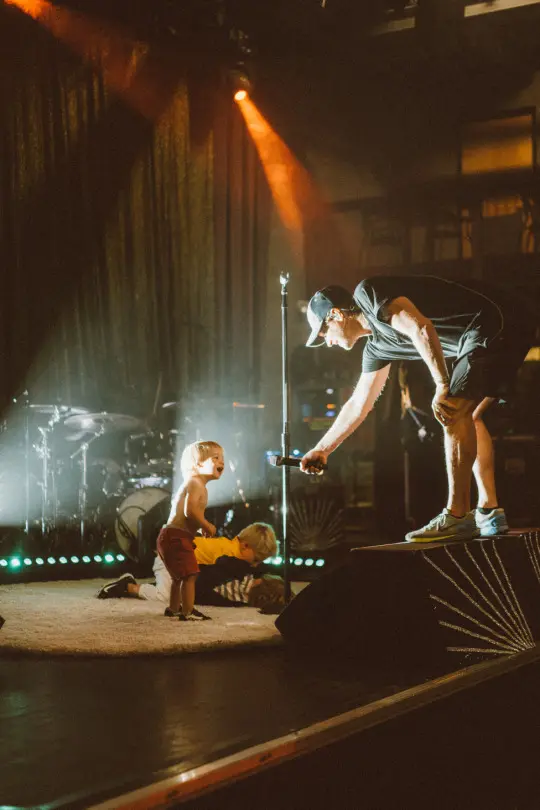
Discovery still happens in the crowd as much as on the feed — the show where you catch a new favorite before everyone else does.
Hip-Hop/Rap: “underground rap” + “lo-fi” + a city tag.
Sort every search by newest releases to keep the focus on current activity. Relying on a single platform or playlist ecosystem narrows discovery, so combine Bandcamp tag results with at least one local source and one fan-led discussion source during each session. This mix reduces blind spots and guards against platform-specific bias.
SoundCloud Workflow for Underground Rap
SoundCloud remains the main home for underground rap micro-genres in 2026 because artists can upload without a distributor. The rap-specific workflow follows a simple sequence:
Search tags such as “underground rap,” “lo-fi rap,” “drill,” or regional variants like “uk drill” or “chicago drill.”
Sort by recent uploads and filter for tracks with under 500 plays.
Open the uploader’s profile and review their repost feed, which often functions as an informal A&R network.
Cross-reference any artist who appears in both a repost chain and a community forum thread against the verification checklist.
What verification signals most reliably confirm an artist is genuinely underground?
The strongest signals include a traceable release history with recurring collaborators, documented bookings at small or DIY venues, and consistent identity across Bandcamp, SoundCloud, and social profiles. An artist who appears in a community forum recommendation, a venue support slot, and a tiny-label release within the same month carries high-confidence underground status. Follower counts alone do not help much. Look instead for specific comments where fans reference lyrics, shows, or scene context. Lack of press coverage does not disqualify an artist, but lack of any verifiable real-world activity should raise concern.
What is label-chaining etiquette when reaching out to tiny labels?
Label chaining works as a research method rather than an outreach strategy. When you contact a tiny label or artist, lead with a specific, neutral question about production credits or upcoming shows instead of a vague request. Avoid messaging every artist on a label’s roster at once, because that behavior signals low intent and harms credibility in small scenes where word travels quickly. If you work in the industry, identify yourself clearly and state your interest. If you are a fan, buying releases on Bandcamp before reaching out sends the clearest signal of genuine engagement.
How can I attend emerging-artist shows without algorithmic event recommendations?
Start with venue calendars on the websites of small rooms, DIY spaces, independent bars, bookstores, galleries, and all-ages venues in your city or target scene. Follow local promoters on social media and subscribe to their mailing lists. Cross-reference support act names on show announcements against your discovery pipeline. When an artist you found through a Bandcamp tag search appears as a support act, treat that as a strong live-priority signal. Community radio hosts and record store staff picks also highlight upcoming shows that reflect local context instead of algorithmic promotion.
How does OnesToWatch accelerate the discovery process for fans and industry scouts?
OnesToWatch functions as the human-curated validation layer at the end of a manual discovery workflow. Its editorial team applies a selective curation process that filters hundreds of candidates down to a smaller group of artists with clear momentum. For fans, an appearance on OnesToWatch signals that an artist has already cleared a credibility bar that would otherwise demand hours of research. For industry scouts, the platform’s pipeline, from playlist inclusion through features to yearly selections, offers a structured progression signal that separates artists with sustainable potential from those enjoying a brief spike. The track record includes early coverage of artists who later reached arena level, which makes OnesToWatch a practical benchmark.
Can manual discovery workflows scale to cover multiple scenes simultaneously?
Manual discovery scales when you use a simple maintenance system. A weekly 20 to 30 minute scan of five dependable inputs, including venue calendars, local promoters, trusted playlist curators, community radio schedules, and one active forum or Discord, keeps several scene pipelines alive without full-time work. Save artists who appear in more than one source during the same scan period. Each month, sort saved artists into scene discovery, high replay value, watchlist, and live priority. Seasonal resets help you replace stale playlists, inactive communities, or venues that now book safer acts. Tracking where you found each artist, their scene, collaborators, and standout traits turns scattered discoveries into an archive that grows more useful over time.
Conclusion: Build a Monthly Underground Discovery Pipeline
The 8-step workflow above functions as a repeatable system rather than a one-off search. Bandcamp tag chains, NTS tracklist reverse-engineering, SoundCloud repost mapping, tiny-label chaining, geographic scene mapping, Discord sourcing, venue calendar checks, and cross-verification loops each contribute a distinct signal. Together, they surface artists that algorithms rarely reach, because algorithms cannot recommend tracks with no listening history and collaborative filtering can narrow musical diversity in listening habits.
OnesToWatch provides the human-curated validation endpoint for this workflow. When an artist you discovered through manual research later appears in OnesToWatch’s editorial pipeline, that convergence confirms your instincts and signals that you caught real underground talent at the right moment.