
Written by: Kai Eldridge, Music Discovery Editor, OnesToWatch | Last updated: July 26, 2026
Key Takeaways
- Independent human-curated Spotify playlists give unsigned artists with 5–10k monthly listeners a realistic path to discovery, with far higher acceptance rates than Spotify editorial lists.
- The strongest playlists reward precise genre fit and authentic artistry over streaming volume, so emerging artists without major-label backing still have a fair shot.
- Platforms like DailyPlaylists, SubmitHub, and Groover connect artists to independent curators across genres and provide feedback that sharpens future pitches.
- Success comes from targeted, personalized pitches that reference specific tracks already on the playlist and show clear sonic alignment.
- Visit OnesToWatch to discover more emerging artists and explore career-building resources for independent musicians.
Playlist Overview by Genre and Focus
- OnesToWatch Editorial Playlists, multi-genre, emerging artist focus
- Indie Feeling, indie pop, emotional depth, emerging artists
- Indie Music Worldwide (indiemusicpromo), indie pop, alternative, genre-blending
- Unity Records: Indie & Alternative | Chill, Good Vibes, bedroom pop, chill indie, soft vocals
- NPR Music’s New Music Friday, pop, indie, R&B, hip-hop, dance
- Pitchfork Selects, indie, pop, R&B, hip-hop, K-pop
- one POPsicle please (LazyFrenzy), indie pop, upbeat, mainstream-adjacent
- DailyPlaylists Curator Network, multi-genre, submission platform
- SubmitHub Curator Network, multi-genre, blog and playlist submissions
- Groover Curator Network, multi-genre, international curators
Independent vs. Spotify Editorial: Why Grassroots Lists Come First
| Factor | Spotify Editorial Playlists | Independent Human-Curated Playlists |
|---|---|---|
| Submission access | Free via Spotify for Artists, one unreleased track, 7+ days before release | Direct email, SubmitHub, Groover, PlaylistPush, DailyPlaylists |
| Acceptance rate | Very low base land rate for most artists | Significantly higher odds on genre-aligned lists |
| Label bias | Many adds to top editorial playlists go to major or major-affiliated artists | No label requirement, fit and quality determine selection |
| Algorithmic feed value | Many editorial adds follow Release Radar or Discover Weekly support | Strong saves and completions can trigger algorithmic placement |
| Fan conversion | Broad reach with a lower trust signal per listener | Higher conversion from listen to follow because listeners trust curator identity |
The 10 Best Independent Curated Spotify Playlists for Emerging Artists in 2026
1. OnesToWatch Editorial Playlists: Discovery With a Career Pipeline
OnesToWatch runs a suite of human-curated Spotify playlists where a listening team selects every track. The platform has covered more than 850 artists over the past decade, including Billie Eilish, Chappell Roan, Olivia Rodrigo, and Doechii. In 2026, OnesToWatch produces about 300 artist features per year, and playlist inclusion often becomes the first step toward full editorial coverage and annual artist selections.
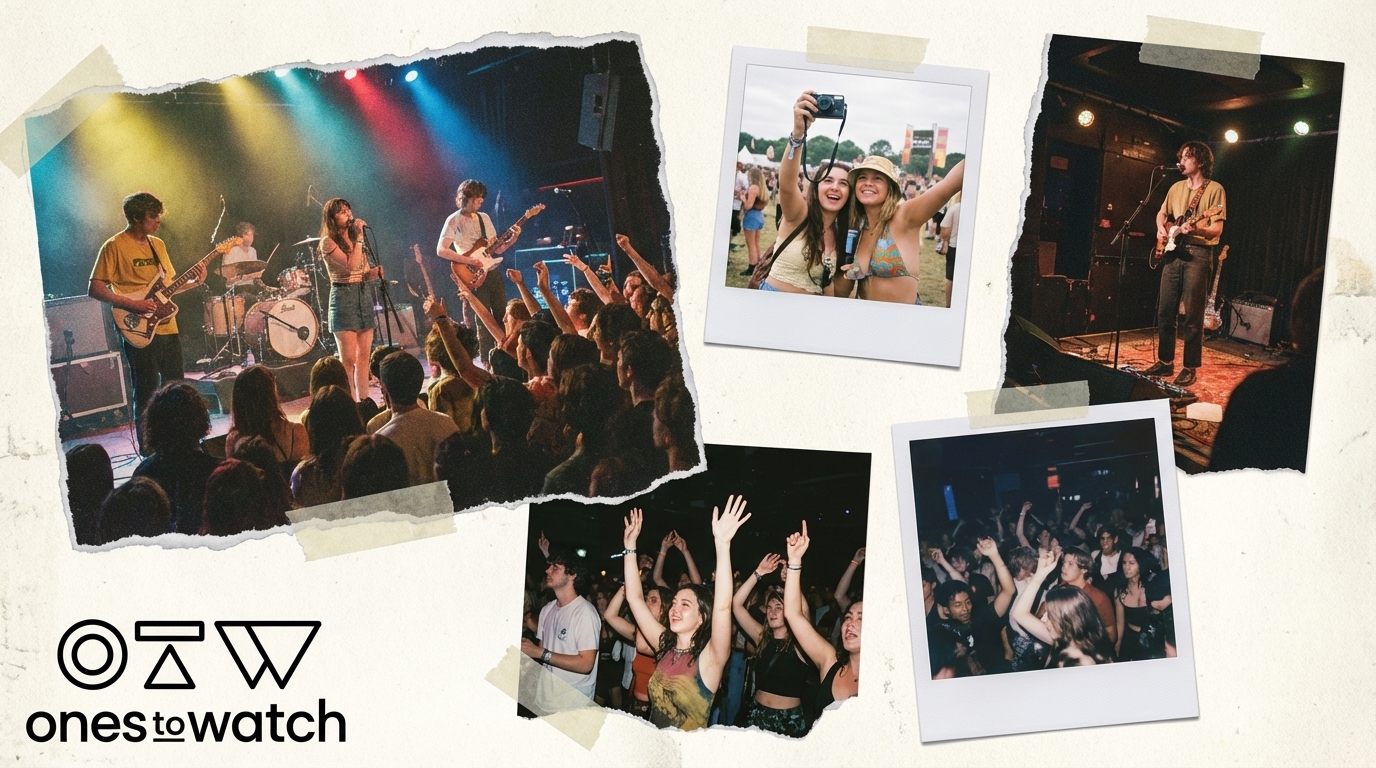
Genre coverage spans indie, pop, R&B, hip-hop, alternative, and electronic. Artists start by submitting for editorial consideration through the OnesToWatch website. The team prioritizes authentic artistry and live performance potential over streaming volume, so artists below 10k monthly listeners still have a real chance. Because the pipeline moves from playlist to feature to annual selection, a placement here can create long-term momentum rather than a short-lived spike.
2. Indie Feeling: Emotional Indie Pop Discovery
Indie Feeling is a frequently updated discovery playlist for emerging indie pop artists. The curator focuses on emotional depth and consistent refreshes, which keeps the audience engaged and open to new names.
Artists can submit through DailyPlaylists or direct outreach. The genre lane is narrow, centered on indie pop with a clear emotional narrative and strong songwriting. Acceptance odds are reasonable for tracks that match the sound. The follower count is smaller than major editorial lists, but human-curated playlists often convert listeners to followers at higher rates than algorithmic lists, so each listener carries more potential value.
3. Indie Music Worldwide (indiemusicpromo): Space for Genre-Bending Tracks
Indie Music Worldwide, curated by indiemusicpromo, highlights boundary-pushing indie pop and alternative releases. The playlist is more flexible than many niche lists and favors unconventional or genre-blending tracks over straightforward radio pop.
Outreach typically runs through indiemusicpromo social channels and platforms such as SubmitHub. Artists with experimental or cross-genre songs that do not fit tightly defined playlists often find a better home here. Submission volume is high, so personalized pitches that reference specific tracks already on the playlist and explain the sonic fit clearly tend to stand out.
4. Unity Records: Indie & Alternative | Chill, Good Vibes
Unity Records curates a prominent independent indie playlist on Spotify that centers on chill indie pop and bedroom pop. The sound leans toward soft vocals, introspective lyrics, and lo-fi-adjacent production. Its size places it in the tastemaker tier, where playlists with 5k–50k followers can deliver thousands to tens of thousands of streams when engagement is strong.
Artists submit through DailyPlaylists. The playlist receives a heavy volume of pitches, so tracks that do not clearly match the chill, bedroom pop aesthetic rarely make it through. Artists should confirm the sonic fit before submitting and avoid treating Unity Records as a generic indie destination.
The first four playlists above share one core principle. They reward precise genre matching over sheer submission volume. Chartmetric’s 2025 data showed that tracks placed on a handful of highly genre-aligned playlists achieved far higher save rates than tracks scattered across many loosely themed lists. Focused pitching to the right lists consistently beats a scattershot approach.
For more emerging artists breaking through independent curation, explore OnesToWatch’s Top Artists To Watch in 2026.
5. NPR Music’s New Music Friday: Weekly Editorial Co-Sign
NPR Music’s New Music Friday is a weekly human-curated playlist that highlights new releases across pop, indie, R&B, hip-hop, and dance. The track list stays concise, so each addition carries real weight. The NPR brand also brings credibility that reaches beyond raw stream counts, since industry professionals and other curators monitor the playlist closely.
Artists usually reach this playlist through NPR Music editorial contacts and publicist relationships. Cold outreach works less often here than with smaller independent playlists. Artists with press coverage or a publicist have a clearer path. Acceptance odds for unsigned artists without existing press remain low, but a placement can attract attention from labels, sync supervisors, and other curators.
6. Pitchfork Selects: Critic-Driven Multi-Genre Exposure
Pitchfork Selects is a human-curated playlist with tens of thousands of saves and hundreds of tracks selected weekly by Pitchfork staff critics. It covers indie, pop, R&B, hip-hop, and K-pop. The larger track count compared with NPR’s list means more artists can appear each cycle, while the editorial bar stays high.
Submission runs through Pitchfork’s editorial portal, and artists with a publicist or label contact often receive stronger consideration. Independent artists can still submit directly, but they should prepare a professional press kit, accurate metadata, and at least a few hundred monthly listeners with genuine engagement. The broad genre range benefits artists who do not sit neatly in a single lane.
7. one POPsicle please (LazyFrenzy): Upbeat Indie Pop With Mainstream Appeal
LazyFrenzy’s one POPsicle please blends indie pop sensibilities with mainstream-friendly hooks. The curator favors upbeat, catchy, and summery tracks that sit between indie credibility and pop accessibility. Artists whose sound bridges those worlds often perform well here.
Submissions come through DailyPlaylists and direct curator contact. The playlist updates regularly, which creates frequent chances for new songs. Darker, slower, or more experimental tracks rarely fit. The curator’s taste is clearly defined, and pitches that ignore it are declined at high rates. This pattern reflects a broader principle: mid-size, genre-exact playlists with active listeners usually drive more saves and algorithmic lift than large but unfocused lists.
8. DailyPlaylists Curator Network: Scaled Access to Thousands of Lists
DailyPlaylists has supported more than 7 million playlist placements, one million artists, and over 40,000 curators since 2017. It functions as a directory and submission hub that connects artists to curators across genres rather than as a single playlist.
Artists pay per submission credit and receive curator feedback whether or not the track is placed. Genres span indie, pop, electronic, hip-hop, R&B, and more. Acceptance rates vary widely by curator and style, so artists should filter by genre alignment and recent curator activity. Chartmetric 2025 data shows that many playlists with over 1,000 followers go inactive within a year, which makes checking recent updates essential.
9. SubmitHub Curator Network: Feedback-First Pitching
SubmitHub connects artists to playlist curators, music blogs, and radio stations through a credit-based system. SubmitHub charges roughly $0.78 to $3 per submission, depending on bulk purchases, and requires curators to provide feedback. Accepted tracks are then added to the playlist.
Most declines come from poor fit rather than poor quality. This reality highlights the need to filter by genre and mood before sending pitches. Artists who treat credits as a targeted investment instead of a mass blast usually see better results and more useful feedback.
10. Groover Curator Network: International Reach and Cross-Border Discovery
Groover is an active 2026 submission platform that connects artists to independent curators, radio stations, blogs, and labels worldwide. It uses a credit system and guarantees a response from curators within seven days or returns the credits. Genre coverage is broad and international, with particular strength in French, wider European, and Latin markets, which matters because many artists draw a large share of streams from outside their home country.
Groover works especially well for artists seeking cross-border discovery. Submitting to a meaningful number of curators requires a budget, and results vary by curator quality. Artists should review curator playlists for genuine engagement by comparing follower counts with typical monthly listener numbers before committing credits. The artists featured in OnesToWatch’s 2026 class often used similar platforms to build early momentum.
The final three entries above function as platforms rather than single playlists, which reflects how independent curation works in 2026. The most efficient strategy blends direct outreach to specific playlists with platform-based submissions that reach curators who do not share public contact details. Niche micro-curators with 1,000 to 50,000 followers in specific genres now represent the fastest-growing segment of playlist curation, and platforms such as DailyPlaylists, SubmitHub, and Groover provide primary access to that tier.
The artists featured in OnesToWatch’s 2026 class show how consistent use of these networks can compound over multiple releases.
How to Pitch Independent Playlist Curators in 2026
Subject Line and Message Structure That Curators Actually Read
Keep the subject line specific by including the playlist name and a short genre phrase. A working 2026 pitch reads: “Hi [curator name], I’m [artist]. New single ‘[song]’ drops Friday, modern lo-fi indie folk, 92 BPM, in the lane of Phoebe Bridgers and Big Thief. Acoustic-led, single vocal, four-minute arc. Thought it might fit alongside the ‘Quiet Hours’ vibe on your ‘Slow Burn Indie’ playlist. Link: spotify:track:1a2b3c4d5e. No worries either way, thanks for the work you do.”
Keep your pitch to four sentences or fewer so curators can scan it quickly. In the first sentence, include genre, tempo, and two reference artists to give instant sonic context. Name the specific playlist you are targeting to show that you have done your homework. Close with a Spotify URI instead of an attachment so curators can click straight through.
Required Assets Before Pitching Curators
Curators often check basic professionalism before they even press play. Make sure these assets are ready before you send your first pitch:
- Verified Spotify for Artists profile with complete bio, photos, and social links
- Accurate metadata, including BPM, key, ISRC, genre tags, and language
- Professional cover art at a minimum of 300×300 pixels
- A private pre-release Spotify link or URI for curator preview
- A tracking spreadsheet with playlist name, curator, contact method, pitch date, and response
Timing and Follow-Up That Respect Curators
The recommended 2026 pitching timeline suggests submitting to Spotify for Artists 14 days before release, sending independent curator pitches seven days before release, pausing pitching on release day, and sending one polite follow-up two weeks after release to non-responders. This rhythm gives curators time to review without feeling pressured.
Re-pitching a curator who has already placed your music converts several times better than a cold pitch. Maintaining relationships across releases becomes a compounding asset over time.
Red-Flag Checklist for Paid Playlist Scams
Use this checklist to avoid fraudulent playlist services that can damage your catalog:
- Guaranteed placement or guaranteed stream counts for a flat fee, since Spotify’s policy states that this violates its terms and can trigger music removal, royalty withholding, or distributor suspension
- Vague “network” language with no named curators or visible playlists
- Playlists with high follower counts but minimal monthly listeners or engagement, because high followers with low average streams per track often signal fake or inactive audiences
- Follower spikes from random countries followed by streams dropping to zero after a campaign
- Instructions to stream a playlist daily, follow every artist, or submit screenshots of activity, and legitimate curators never require this kind of surveillance-style reporting
- Requirements for distribution exclusivity as a condition for playlist access
- No month-to-month cancellation option or unclear subscription billing
In the year before September 2025, Spotify removed more than 75 million tracks flagged for artificial streaming. The financial and algorithmic damage from fraudulent services, including frozen royalties and weaker audience modeling, outweighs any short-term spike in streams.
Genre-Matching Table for Fast Targeting
| Playlist / Network | Primary Genres | Follower Range (2026) | Submission Path |
|---|---|---|---|
| OnesToWatch Editorial Playlists | Indie, pop, R&B, hip-hop, alternative, electronic | Varies by playlist | onestowatch.com submission |
| Indie Feeling | Indie pop | tens of thousands | DailyPlaylists, direct outreach |
| Indie Music Worldwide | Indie pop, alternative, genre-blending | tens of thousands | SubmitHub, direct outreach |
| Unity Records: Indie & Alternative | Bedroom pop, chill indie, soft vocals | hundreds of thousands | DailyPlaylists |
| NPR Music’s New Music Friday | Pop, indie, R&B, hip-hop, dance | tens of thousands of saves | Editorial/publicist contact |
| Pitchfork Selects | Indie, pop, R&B, hip-hop, K-pop | 68,653 saves | Pitchfork editorial portal |
| one POPsicle please | Indie pop, upbeat, mainstream-adjacent | tens of thousands | DailyPlaylists, direct outreach |
| DailyPlaylists Network | Multi-genre | Varies by curator | DailyPlaylists platform |
| SubmitHub Network | Multi-genre | Varies by curator | SubmitHub platform |
| Groover Network | Multi-genre, international | Varies by curator | Groover platform |
Frequently Asked Questions
How long does it take to hear back from an independent playlist curator?
Response times vary by curator and submission method. Curators on platforms such as SubmitHub and Groover must respond within a set window, typically seven days on Groover and within the stated review period on SubmitHub, or credits are returned. Direct email outreach has no guaranteed response time. One polite follow-up two weeks after the initial pitch is enough, and silence after that usually means a pass. Spotify’s editorial team does not send rejection notices, so no response means the track was not selected for that cycle.
Do independent playlist curators charge for submissions?
Legitimate curators do not charge for guaranteed placement. Platforms like SubmitHub and Groover charge per submission credit, usually between $0.78 and $3 depending on bulk purchases, which pays for review time and feedback rather than a guaranteed add. Paying for consideration and feedback fits within Spotify’s terms. Paying for a guaranteed spot on a specific playlist violates those terms and can lead to track removal, royalty withholding, and distributor penalties. Any service that sells a fixed number of playlist adds or streams for a flat fee operates outside Spotify’s rules.
What metrics should I track after a playlist placement?
Raw stream counts reveal very little about long-term impact. The most useful signals are saves to library, new followers gained during the placement window, listener playlist adds, and algorithmic lift in Spotify for Artists, especially new appearances in Discover Weekly or Release Radar. A save rate of 20% or higher signals strong resonance. Rates below 10% often point to a genre mismatch rather than a quality issue. Track these metrics during the placement and for 30 days afterward.
Can a playlist curator remove my track after adding it?
Yes, and this is normal. Independent curators update playlists frequently, often weekly, and rotate tracks off as new music arrives. There is no standard notice period or removal policy, so each curator handles this differently. The real value of a placement lies in the engagement it generates while live, because those saves, follows, and repeat listens continue feeding algorithmic systems after removal. Artists who build ongoing relationships with curators across several releases tend to receive repeat placements and stronger cumulative results.
How does OnesToWatch differ from a standard playlist curator?
OnesToWatch runs a structured career pipeline rather than a single playlist. Playlist inclusion acts as the entry point, followed by editorial features, deeper artist storytelling, and annual “Class Of” lists that carry industry weight beyond stream counts. The platform has covered more than 850 artists over ten years, including acts that later filled arenas. For an unsigned artist at 5–10k monthly listeners, a playlist placement with OnesToWatch connects to a wider ecosystem of fans, industry professionals, and brands that use the platform to spot emerging talent. This combination of discovery, validation, and long-term pipeline sets OnesToWatch apart from single-purpose playlist curators.
Conclusion: Treat Playlists as Relationships, Not One-Off Campaigns
For unsigned artists in 2026, consistent and targeted pitching to active independent human-curated playlists remains the most direct and realistic route to sustained discovery. Algorithmic playlists deliver scale but cannot be pitched directly, and major editorial playlists still lean toward major-label rosters. Independent curators, from OnesToWatch to genre-specific micro-curators with tens of thousands of engaged followers, form the tier where quality and fit matter more than label backing.
Treat this list as a living resource that evolves with the ecosystem. Curator activity shifts, playlists go inactive, and new voices appear in specific genres throughout the year. Revisit your target list every quarter, confirm that each playlist still updates regularly, and refine your pitch based on the feedback you receive. Artists who build durable careers from independent curation approach it as a long-term relationship strategy rather than a single campaign.
See how today’s rising artists are building careers through independent curation in OnesToWatch’s Top Artists To Watch in 2026.