
Written by: Kai Eldridge, Music Discovery Editor, OnesToWatch | Last updated: July 30, 2026
Key Takeaways for Independent Artists
- Independent artists at the 5,000–10,000 monthly listener mark have outgrown basic DIY distributors and should consider selective distribution partnerships that offer better rights retention and marketing support.
- Assessing leverage requires verifiable data including monthly listener trends, save rates, release cadence, and third-party validation such as editorial features and playlist placements.
- Selective distribution deals in 2026 typically offer 70–100% artist revenue splits while keeping master ownership with the artist, unlike traditional label deals.
- Contract negotiation is critical, and artists must watch for red flags like master assignment language, perpetual rights, and missing reversion clauses to protect their long-term career flexibility.
- Check out OnesToWatch to discover editorial coverage and curated playlists that help emerging artists build the industry-recognized profile selective distributors look for.
Why Upgrading Distribution Matters for Sustainable Careers
DIY distributors like DistroKid keep 100% of royalties for the artist on annual-fee plans, and CD Baby keeps 9% on one-time per-release fees, which sets the baseline most artists compare against when considering an upgrade. The trade-off is that these platforms offer no marketing infrastructure, no editorial relationships, and no negotiated support.
Selective distribution deals in 2026 bridge this gap by adding professional services while still keeping most revenue with the artist. For every $100 of interactive streaming revenue, the master-side pool is approximately $59.50, and a self-releasing independent artist keeps nearly all of it, while a major-label artist on a 15–20% royalty rate keeps only a small share. Selective distribution occupies the middle ground, where the artist retains masters, gains marketing and sync support, and pays a commission only on revenue generated under the deal.
In distribution deals, artists retain full ownership of their masters while the distributor takes a fee typically ranging from 10–30% of revenue. That structure is fundamentally different from a label deal and is the model artists at the 5–10k listener stage should be targeting.
Phase 1: Assess Your Current Leverage With Real Data
Artists need a clear readiness scorecard built from verifiable data before approaching any selective distributor. The required inputs are:
- Spotify for Artists monthly listener count and 90-day trend
- Save rate on the two or three most recent releases
- Release cadence over the past six months
- Follower-to-listener ratio
- Top listener cities and countries
- Any third-party playlist placements, press mentions, or sync licenses
- Live performance metrics such as ticket sales, venue capacity, and booking frequency
Independent artists at 5,000–15,000 monthly listeners are in strong early career territory where a real fanbase is developing. The growth rate matters as much as the absolute number, and monthly listener growth rates of 15–20% can indicate strong momentum, while 20%+ monthly growth signals rapid growth and possible breakout potential.
Save rates of 3–5% on releases indicate strong listener connection, while rates above 10% are exceptional and reflect a small but deeply invested audience. An artist with 7,000 monthly listeners, a 6% save rate, and 20% month-over-month growth presents a stronger case to a selective distributor than an artist with 15,000 monthly listeners whose numbers have been flat for six months.
Distributors evaluate an artist’s commercial fan base by examining catalog traction, Spotify followers and monthly listeners, YouTube subscribers, and social media engagement rather than applying any single numeric threshold. Having a manager, entertainment attorney, or publicist in place also factors into partnership decisions alongside audience metrics.
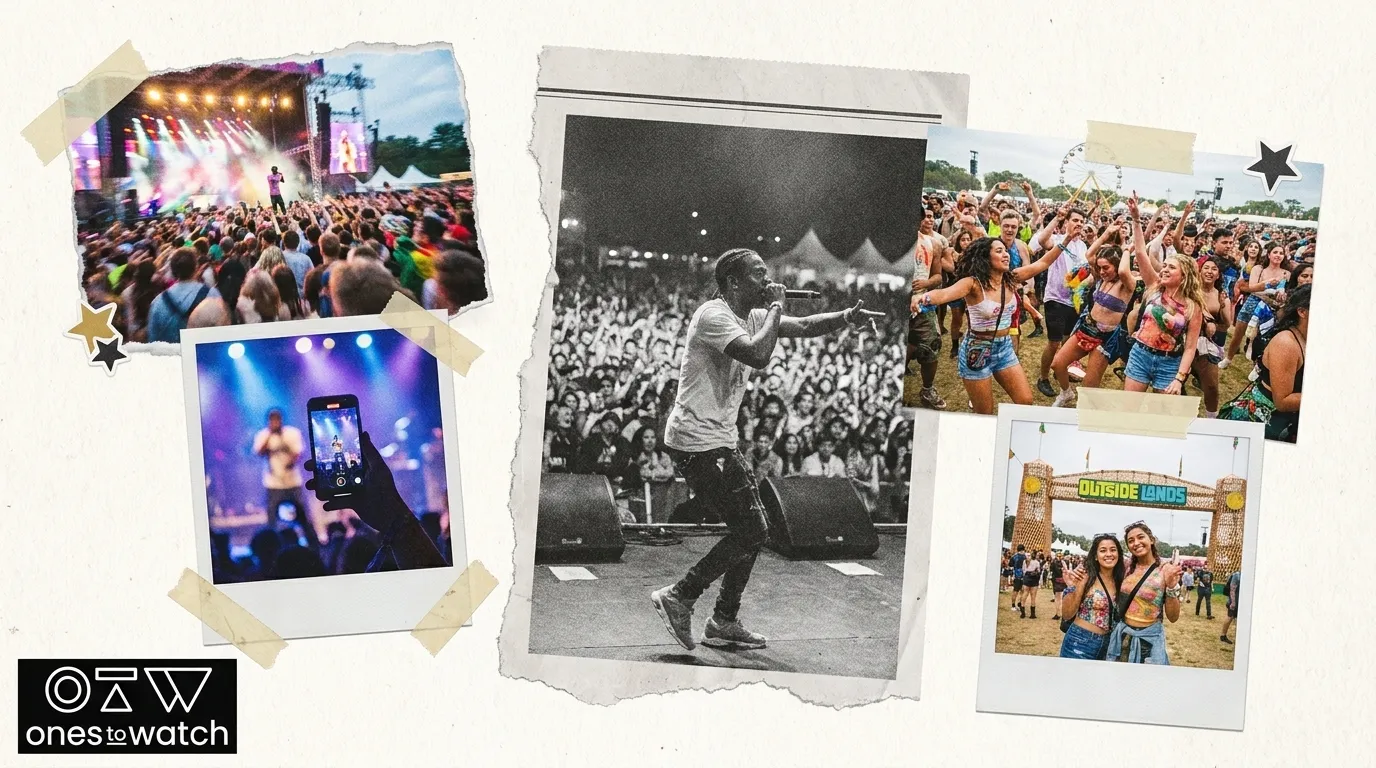
Validation from recognized editorial platforms strengthens this scorecard significantly. OnesToWatch provides exactly this kind of third-party credibility through editorial features, curated playlist placements, and yearly artist selections that signal to distributors and industry professionals that an artist has been vetted by a trusted discovery platform. A feature or playlist placement from OnesToWatch is a concrete, citable asset in any pitch package and directly strengthens the leverage scorecard described above.

Explore OnesToWatch’s coverage and playlists to build the kind of industry-recognized profile selective distributors look for.
Phase 2: Choose the Right Selective Distributor Tier
The 2026 selective distribution landscape includes several platforms positioned specifically for mid-stage independent artists. The table below compares four primary options on the terms most relevant to artists at the 5–10k listener stage.
| Platform | Revenue Split (Artist’s Share) | Master Ownership | Key Services |
|---|---|---|---|
| AWAL | ~85% (artist retains masters) | Artist retains | Editorial pitching, sync, marketing support, A&R guidance |
| UnitedMasters PARTNER | 100% revenue split | Artist retains | Brand partnership access, playlist pitching, analytics dashboard |
| Stem Scale | Offers advances with fees of 5–25% depending on terms, while artists retain full ownership of their masters | Artist retains | Transparent royalty splits, team collaboration tools, label-services support |
| Symphonic (Label-Services Tier) | Symphonic’s standard Partner plan (label-services tier) offers an 85/15 revenue split, with other plans earning 70% | Artist retains | Sync licensing, marketing, international collection, playlist promotion |
Independent artists reaching $100K+ in annual Spotify revenue should compare label-services distributors such as UnitedMasters PARTNER, Stem Scale, or Symphonic’s label-services tier, which typically take 15–30% in exchange for higher-touch support. Artists below that revenue threshold but with strong growth signals are still viable candidates for these platforms, especially when editorial validation and live metrics supplement streaming data.
Phase 3: Build a Data-Driven Pitch Package
A professional pitch package for a selective distributor in 2026 relies on clear, concise assets that highlight traction. The core elements include:
- A one-page data sheet listing monthly listeners, Spotify follower count, total streams, save rate on recent releases, top listener cities, notable playlist placements, and relevant social metrics
- Two to three strongest and most current tracks, fully mastered with streaming links
- An artist bio under 200 words focused on identity, sound, achievements, and future direction
- A list of the top 5–10 third-party playlist adds, including playlist name, follower count, and direct links
- Three to five major career milestones from the last 12 months, such as sold-out shows, sync placements, or press mentions
- Screenshots or embedded widgets from Spotify for Artists confirming metric trends
Labels and distributors evaluate consistent release patterns and upward metric trends rather than isolated spikes when deciding on partnerships with independent artists. Artists should build a consistent streaming profile with releases every four to six weeks for at least three to six months before pitching.
Submissions should be timed during periods of consistent stream growth, increasing playlist placements, rising engagement, and recent press mentions to improve response rates. Timing a pitch to coincide with an OnesToWatch feature or playlist placement adds third-party credibility that strengthens the package considerably.
Phase 4: Protect Yourself When Negotiating Contract Terms
Contract negotiation is where many independent artists lose leverage they have already earned. The following red-flag checklist highlights terms that require close scrutiny or rejection before signing any selective distribution agreement.
Contract Red-Flag Checklist:
- Master assignment language: Distribution deals should never transfer ownership of masters via language such as “Artist hereby assigns all right, title, and interest,” “work made for hire,” or “Distributor shall own.”
- Perpetual or indefinite post-term rights: Acceptable post-term language is limited to a 90-day wind-down period, while problematic language grants ongoing revenue rights or indefinite platform placement.
- Long auto-renewing terms: A one-year rolling term with 30-day cancellation notice offers flexibility. Mandatory 24-month minimums with 90-day non-renewal notice windows represent a less flexible structure.
- No reversion clause: Without a reversion clause, music can be shelved indefinitely while the artist remains locked in the contract and unable to release elsewhere. A reversion clause should trigger on failure to release commercially or failure to generate meaningful revenue within 12–18 months.
- Vague payment language: Vague payment language that fails to specify timelines, installment schedules, late fees, or commission deductions can delay compensation and create cash flow problems.
- Cross-collateralization: Recoupment language can allow recovery across multiple releases, territories, or revenue categories, and expense clauses may deduct marketing, video, remix, or administrative costs unless approval rights or caps are negotiated.
- Broad AI and likeness rights: Broad AI, voice, or likeness rights without explicit artist approval are a documented red flag in music deals.
- No audit rights: A distribution or label services agreement is only as strong as its accounting, audit, and exit language, which determine whether an artist can verify payments and regain leverage through termination or reversion rights.
Phase 5: Move From DIY to Selective Distribution Smoothly
A clean migration from a DIY platform to a selective distributor relies on careful sequencing to avoid playlist disruption, royalty gaps, or ISRC conflicts. The recommended steps are:
- Confirm the new distributor will use existing ISRCs for all previously released tracks. Switching distributors can trigger ISRC conflicts, gaps in streaming availability, disrupted playlist placements, and delayed royalty payments if not executed precisely.
- Confirm who owns the ISRC codes under the current distributor agreement before initiating any transfer.
- Wait to remove music from the current distributor until the new distributor confirms all tracks are live and verified on all DSPs.
- Time the migration to avoid active release windows, since a migration during a release campaign risks disrupting Release Radar eligibility and editorial playlist placements.
- Verify that any royalties held during the migration window will be paid out under the terms of the original agreement.
- Update all artist profiles on Spotify for Artists, Apple Music for Artists, and other DSP dashboards to reflect the new distributor relationship.
Spotify for Artists submissions for editorial consideration require at least 7 days before release, with 2–4 weeks recommended. Plan the first release under the new distributor with that lead time built in.
Phase 6: Track Results After the New Deal Starts
The evaluation window for a new selective distribution deal usually runs 90–180 days post-launch. Observable indicators of a successful upgrade include:
- Improved royalty reporting transparency, with real-time or monthly access to stream and earnings data
- New editorial or algorithmic playlist placements driven by the distributor’s pitching infrastructure
- Increased save rates and follower growth on new releases compared to pre-deal benchmarks
- Sync licensing inquiries or placements facilitated by the distributor
- Increased live booking inquiries correlated with expanded streaming reach
- Measurable growth in top listener cities, indicating geographic expansion
Reaching 100,000 monthly listeners from a 1,000-listener baseline takes 12–18 months with structured playlist and campaign support, compared with 4–7 years organically for independent artists without industry backing. A selective distributor with active marketing support should accelerate that trajectory measurably within the first two quarters.
See how OnesToWatch features drive the metrics distributors track and how editorial coverage from a recognized discovery platform translates directly into the streaming and engagement data that selective distributors use to evaluate partnership candidates.
Common Mistakes to Avoid in Distribution Upgrades
- Overvaluing hype metrics: Labels and distributors view artists with 10,000 to 50,000 monthly listeners sustained over several months as more promising than those with brief viral spikes followed by quick drops.
- Under-preparing data: Approaching a selective distributor without a complete data sheet, verified streaming screenshots, and a documented release history reduces negotiating leverage before the conversation begins.
- Signing without reversion clauses: As discussed in Phase 4, these clauses must often be negotiated explicitly in selective distribution deals and should never be omitted.
- Accepting vague term language: Red flags in music contracts include vague language about ownership or perpetual assignment of future works, unlimited cross-collateralization across revenue streams, and unenforceable promises of promotion without timelines or commitments.
- Ignoring ISRC ownership: Before signing a distributor agreement, artists should confirm what triggers music removal, whether any royalties are held during a migration window, and who owns the ISRC codes.
Adjusting the Framework for Different Career Stages
Artists pursuing one-off sync placements rather than a full distribution upgrade can apply a lighter version of this framework. Assess the specific track’s streaming data and save rate, prepare a short pitch document with licensing terms clearly stated, and negotiate a single-use or limited-term sync license without committing to a catalog-wide distribution agreement. Independent artists who own 100% of both master recordings and compositions qualify as a “one-stop shop” for sync licensing, allowing a single contact to clear rights without involving co-writers or labels.
Artists targeting global network partnerships, such as multi-territory deals with international collection and marketing infrastructure, should apply the full six-phase framework with additional emphasis on geographic audience data, international playlist placements, and the distributor’s demonstrated presence in target markets. At the $10K–$100K annual Spotify revenue stage, artists should add a publishing administrator for international collection and evaluate whether distributor add-on services such as sync pitching justify their commission.
Next Steps After Securing a Selective Deal
Once a selective distribution deal is in place and post-deal metrics confirm the upgrade is performing, the next steps focus on turning reach into revenue. Build a live touring strategy that converts expanded streaming reach into ticket sales, and use editorial coverage to sustain press momentum between releases. At the 50,000 monthly listener milestone, artists gain sufficient catalog depth and algorithmic signals to make them credible for mid-tier sync supervisors and regional press. Both outcomes depend on the foundation built during the six phases outlined above.
Check out OnesToWatch’s Top Artists To Watch in 2026, a curated selection of the emerging artists building exactly the kind of career momentum this framework is designed to support.
Frequently Asked Questions
How many monthly listeners do I need before approaching selective distributors?
There is no single universal threshold, but most selective distributors begin to take independent artist pitches seriously around the listener range discussed in Phase 1. Trajectory matters more than the absolute number, so consistent month-over-month growth, a save rate above 3% on recent releases, and a documented release cadence of at least one single every four to six weeks over the prior three to six months carry significant weight. Distributors also weigh team infrastructure, catalog depth, and third-party validation such as editorial features and playlist placements alongside raw listener counts. An artist with 6,000 monthly listeners growing at 25% per month with a published press feature is a stronger candidate than one with 12,000 static listeners and no supporting assets.
What royalty split should I expect in a 2026 selective distribution deal?
Selective distribution deals in 2026 usually keep the artist in a favorable revenue range, with the distributor’s percentage tied to the services included, such as editorial pitching, sync support, marketing, and international collection. Higher-touch label-services tiers from platforms like Symphonic, Stem Scale, and UnitedMasters PARTNER may take 10–30% of revenue in exchange for more comprehensive support. The key distinction from a label deal is that the artist retains full master ownership in a distribution agreement, and the distributor receives a revenue share, not an ownership stake. Artists should treat any deal that does not provide the artist with the majority of revenue, without a corresponding suite of documented, contractually committed services, as a red flag worth negotiating.
How long should distribution contracts last?
A one-year rolling term with a 30-day cancellation notice offers flexibility for artists. Per-release terms of one to three years are common and acceptable when paired with clear reversion clauses. Catalog-wide perpetual terms or mandatory minimums exceeding 24 months without performance milestones or exit triggers represent significantly less favorable structures. Artists should avoid any agreement that auto-renews without a reasonable notice window and should confirm that post-term rights are limited to a defined wind-down period, typically 90 days, rather than granting the distributor ongoing revenue rights or indefinite platform placement after the contract ends.
What happens if a distributor fails to release or promote my music?
Without a reversion clause, an artist whose music is shelved or inadequately promoted remains contractually bound and unable to release the affected recordings elsewhere for the duration of the term. A properly negotiated reversion clause returns all granted rights to the artist if the distributor fails to release the work commercially within 12–18 months of delivery, or fails to generate meaningful revenue within a defined window. The clause should include a written notice requirement, a 60–90 day cure period for the distributor to remedy the failure, and automatic reversion of all rights if the cure period expires without resolution. Artists should also negotiate explicit release commitments, including specific delivery timelines and platform availability requirements, as contractual obligations rather than informal promises, so that failure to meet them triggers the reversion mechanism.
Conclusion: Turn Streaming Momentum Into Real Leverage
The six-phase framework of assessing leverage, identifying selective partners, preparing pitch materials, negotiating contract terms, executing the migration, and measuring post-deal performance gives independent artists at the 5–10k monthly listener stage a structured, data-driven path from basic DIY distribution to artist-friendly selective deals. The process relies on verifiable streaming data, a consistent release history, a clean pitch package, and contract literacy around the terms that protect master ownership and career flexibility. Each phase builds on the previous one, and the leverage that makes selective distributors receptive grows incrementally through release consistency, audience growth, and third-party validation.
OnesToWatch is a direct source of that validation, with editorial features, curated playlist placements, and yearly artist selections that translate into citable, industry-recognized assets in any distribution pitch. Artists who have been featured by OnesToWatch carry a credential that signals authenticity and traction to the exact audience of distributors, labels, and industry professionals this framework is designed to reach.
Start building your industry profile with OnesToWatch, the platform that turns streaming data and editorial coverage into real distribution leverage.