
Written by: Kai Eldridge, Music Discovery Editor, OnesToWatch | Last updated: August 6, 2026
Key Takeaways
- LANDR bundles AI mastering with distribution, and its value shifts based on release volume and budget.
- Artists releasing 4–6 projects per year often need unlimited-release plans to avoid overage fees.
- After cancellation, LANDR keeps releases live and collects a 15% royalty commission unless the catalog is migrated.
- Processing times of 2–10 days can compress editorial pitching windows for time-sensitive releases.
- Discover emerging artists and in-depth coverage at OnesToWatch.
2026 LANDR Pricing, Tiers, and Bundle Value
LANDR uses a tiered subscription model that bundles AI mastering credits with either unlimited or capped distribution. The platform offers several plans for independent artists, with options for limited or unlimited releases and higher tiers that add stems mastering, collaboration tools, and priority support.
Entry-level plans are priced competitively for artists releasing one or two projects per year. Artists releasing 4–6 projects annually usually find that a plan with unlimited releases becomes necessary to avoid per-release overage fees. Higher-tier plans target artists who treat mastering as a core workflow tool rather than a simple distribution add-on. Because no verified 2026 pricing data was available at publication, artists should confirm current rates directly on LANDR's official site before subscribing.
The key pricing question for frequent releasers is whether a single subscription that covers mastering and distribution actually reduces total annual spend compared with paying for each service separately. For artists already using a standalone mastering tool, LANDR's bundle can become redundant spending. However, the true cost of LANDR also includes what happens to your catalog after you cancel, which affects long-term value.
Royalties and Post-Cancellation Rules
LANDR's royalty model lets artists keep 100% of royalties while subscribed. The critical issue appears at cancellation. When a LANDR subscription lapses, distributed releases remain live on streaming platforms with LANDR collecting a 15% commission on royalties and are not removed unless the artist requests it or a policy breach occurs. This structure differs from platforms that charge a one-time per-release fee and maintain catalog access with no ongoing commission.
Post-cancellation, artists continue earning royalties while LANDR takes a 15% cut on every stream. As catalog size grows, the total dollar amount lost to this commission also grows. A $500 monthly royalty check becomes $425 after the commission. For artists who build catalog over several years on LANDR, this compounding cost makes migration increasingly urgent because a larger catalog means more revenue redirected unless they move to a commission-free platform.
Ownership of the master recordings remains with the artist regardless of subscription status. LANDR does not claim ownership of the music itself. However, the commission reduces the artist's share of revenue from their catalog, which can affect income from playlist placements, algorithmic momentum, and sync licensing opportunities.
Release Speed and Editorial Pitching Window
Processing time from upload to live on major streaming platforms directly affects artists working on tight promotional schedules. The comparison below shows how LANDR's processing window stacks up against competitors, which matters for meeting Spotify's seven-day editorial pitch deadline.
| Platform | Typical Upload-to-Live Range | Rush Delivery Option |
|---|---|---|
| LANDR | 2-10 days (or 2-5 days with a Pro or Studio Pro subscription) | Not standard on base plans |
| DistroKid | 1-2 business days to review, approve and send to services | Available on higher tiers |
| TuneCore | 1-2 business days to review and approve before sending to platforms | Not standard |
Artists pitching to Spotify's editorial team need at least seven days before release date. Any distributor processing time that exceeds three business days compresses the pitching window. LANDR's processing speed works for planned releases but can create friction for artists who work on shorter timelines.
Support, Content ID, and Revenue Risk
LANDR provides customer support through a ticketing system, and response times vary by subscription tier. Professional plan subscribers report faster resolution, while entry-level users often wait several business days for responses to disputes or technical issues.
Content ID creates a major operational risk for some artists. LANDR registers distributed content with YouTube's Content ID system, which can generate false claims against artists who sample cleared material or use royalty-free sounds. Resolving these disputes requires direct engagement with LANDR's support team, and delays in resolution can result in monetization being withheld from YouTube content during the dispute window.
Artists with complex catalogs that include remixes, collaborations, or licensed samples should weigh Content ID dispute resolution speed heavily in their platform choice. A slow support pipeline on Content ID issues directly affects revenue. For artists who decide that LANDR's operational friction outweighs its bundled value, the next concern becomes how difficult it is to leave.
Catalog Migration Effort and Timing
Migrating a catalog away from LANDR to another distributor requires re-uploading releases, re-submitting metadata, and accepting a gap period during which content may be unavailable on streaming platforms. Streaming counts and playlist placements are usually preserved at the DSP level, but algorithmic momentum can be disrupted during the transition window.
Artists with 10 or more releases face the most friction during migration. The practical recommendation is to plan migrations during low-activity periods, such as between release cycles rather than during active promotional campaigns. LANDR does not currently offer an automated catalog export tool that transfers directly to competing distributors, so migration remains a manual process.
LANDR vs DistroKid 2026 Break-Even Calculator
The following comparison highlights the core financial and structural differences between LANDR's mid-tier plan and DistroKid's Musician Plus tier, showing when each platform makes more sense based on release volume and catalog management.
| Factor | LANDR (Mid-Tier) | DistroKid (Musician Plus) |
|---|---|---|
| Annual cost (approx.) | ~$143–$239/yr | ~$35–$80/yr |
| Mastering included | Yes (AI, limited credits) | No |
| Royalty split | 100% to artist | 100% to artist |
| Catalog on cancellation | Stays live with 15% commission | Stays live |
Note: Pricing figures above are estimates based on publicly available information and may not reflect current rates. Verify directly with each platform before subscribing.
For beginners releasing one or two projects per year, LANDR's bundle can deliver higher value if the artist would otherwise pay separately for mastering, because the cost difference versus DistroKid is partially offset by mastering savings. As release volume increases to four to six projects annually, this calculation reverses. DistroKid's lower annual fee and unlimited releases make it the more cost-efficient distribution choice, while mastering can be sourced separately at a lower per-release cost than LANDR's bundle implies.
What Artists Are Saying on Reddit
Community discussions on subreddits like r/WeAreTheMusicMakers and r/edmproduction show consistent themes among independent artists evaluating LANDR in 2026. The most common positives include the convenience of having mastering and distribution in one dashboard and the perceived quality of LANDR's AI mastering for genres like electronic, hip-hop, and pop.
The most frequently cited negatives center on three issues:
- Subscription cost relative to distribution-only competitors
- The post-cancellation commission on royalties
- Support response times for Content ID disputes
Many artists describe LANDR as a strong starting platform that becomes harder to justify financially as their catalog grows and their mastering needs move beyond what AI tools can handle.
Who LANDR Fits Best in 2026
LANDR works best for artists who:
- Release fewer than four projects per year and value the mastering-distribution bundle
- Are early in their career and want a single platform to learn distribution basics
- Produce in genres where AI mastering performs well, such as electronic, pop, or hip-hop
- Do not yet have a large catalog that would create significant migration risk
LANDR is a weaker fit for artists releasing 4–6 projects annually who already use a preferred mastering workflow, have a growing catalog, or need fast support resolution for Content ID issues. These tactical considerations matter, but they sit inside a larger decision about how distribution supports the career milestones that follow each release.
How Distribution Supports an Emerging Artist's Live Career Path
Distribution acts as the first step in a release strategy, not the final one. Getting music onto streaming platforms creates the foundation, but building a sustainable career requires playlist placement, editorial coverage, and live performance opportunities, which distribution platforms do not provide.
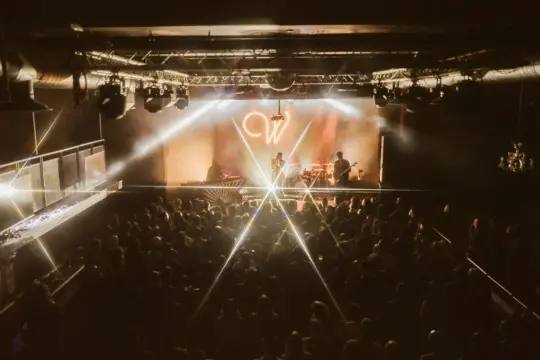
The gap between “music is live on Spotify” and “music reaches the right audience” is where many independent artists stall. A distribution decision that saves $100 per year matters less if the release never reaches a curator, a booker, or a fan who would attend a show.
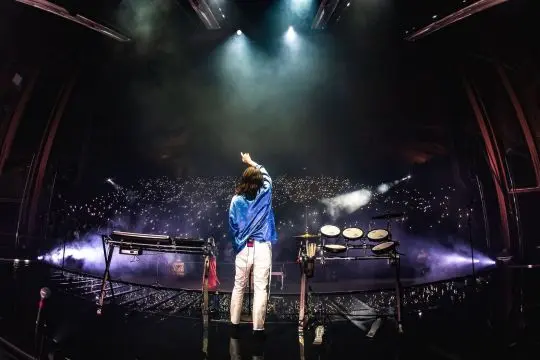
How OnesToWatch Extends Beyond Distribution
OnesToWatch runs a structured pipeline that moves artists from playlist inclusion to editorial features and then to annual artist selections. Artists featured by OnesToWatch gain exposure to music fans, industry professionals, and promoters who actively search for emerging talent. This career layer sits above distribution and represents the stage where a well-executed release strategy turns into real-world opportunities.
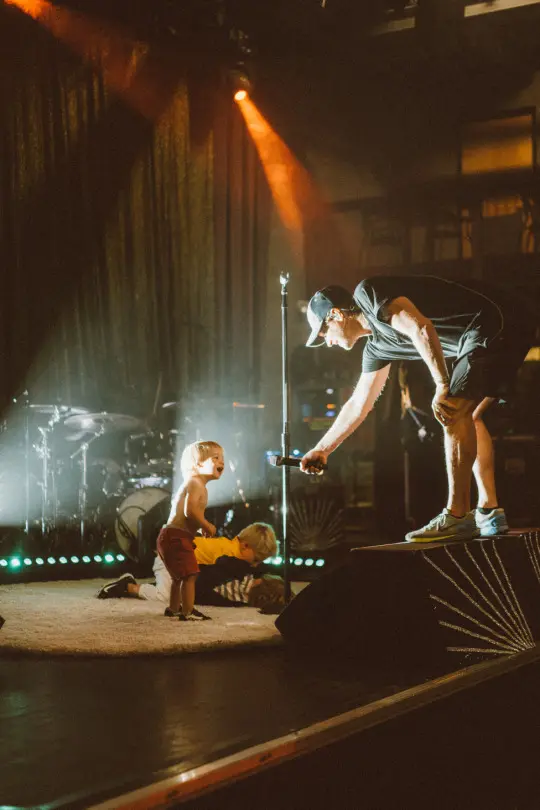
Artists who have appeared in OnesToWatch coverage include Billie Eilish, Chappell Roan, Olivia Rodrigo, Doechii, and Benson Boone, all of whom moved from emerging status to arena-level careers. The platform covers roughly 300 artists per year through features, with around 20 reaching the annual selection.

Frequently Asked Questions
Does LANDR take royalties after you cancel your subscription?
LANDR does not take a percentage of royalties while you are subscribed, so artists keep 100%. After cancellation, distributed releases remain live on streaming platforms with the 15% commission mentioned earlier, and are not removed unless requested or removed for policy violations. The platform does not claim a commission on past earnings, but artists will receive only 85% of future streaming revenue unless they migrate their catalog to a different distributor.
How does LANDR compare to DistroKid for artists releasing multiple projects per year?
DistroKid's annual fee is significantly lower than LANDR's mid-tier subscription, and it supports unlimited releases on all plans. For artists releasing 4–6 projects per year who already have a mastering workflow, DistroKid usually becomes the more cost-efficient choice. LANDR's advantage is the bundled AI mastering, which adds value only when the artist does not already pay for mastering separately.
How long does LANDR take to distribute music to streaming platforms?
LANDR typically processes releases within the 2–10 day range discussed earlier, with faster turnaround on higher-tier plans. This timeline works for planned release campaigns but can compress the editorial pitching window for artists working on shorter schedules. Spotify's editorial pitch tool requires submission at least seven days before release, so artists using LANDR should factor processing time into their release dates.
What happens to a catalog when migrating away from LANDR?
Migrating a catalog from LANDR to another distributor requires manually re-uploading releases and metadata to the new platform. There is usually a gap period during which content is unavailable on streaming platforms. Streaming counts accumulated on DSPs are generally preserved, but algorithmic playlist placements may be disrupted. Artists with large catalogs should plan migrations during low-activity periods between release cycles.
Is LANDR used by major or well-known artists?
LANDR's mastering tools have been used by a wide range of artists, from bedroom producers to established acts experimenting with AI mastering workflows. Major-label artists typically use professional human mastering engineers for commercial releases. LANDR's distribution service is positioned primarily for independent and emerging artists who need an accessible, self-serve platform rather than a full-service label distribution deal.
Discover your next favorite artist and the stories behind their rise. Explore OnesToWatch for exclusive in-depth content that reveals the future of music.