
Last updated: September 18, 2026
Key Takeaways
- Underground music in 2026 is defined by creative control, DIY distribution, community-focused metrics, and algorithmic resistance. Listener counts and platform presence do not determine underground status.
- The distinction between underground, independent, and DIY is structural. Underground describes a cultural position, while independent and DIY describe business and production methods.
- Artists can maintain underground status with millions of streams or major distribution deals when their audience was built through community infrastructure instead of algorithmic or institutional pipelines.
- Underground artists generate revenue through stacked direct-to-fan channels including Bandcamp, Patreon, merch, live shows, and sync licensing. Streaming royalties act as one supporting layer, not the foundation.
- OnesToWatch has tracked emerging and independent artists for over a decade, covering more than 850 artists whose careers span every tier of the underground spectrum.
Discover More Underground Artists on OnesToWatch
The Core Definition: Underground Music In 2026
Underground music in 2026 rests on four traits that apply across genre, geography, and platform presence.
- DIY distribution through platforms like Bandcamp and SoundCloud that bypass traditional gatekeepers
- Community-focused success metrics measured by loyal fanbases instead of Billboard statistics
- Algorithmic resistance that prioritizes artistic vision over viral trend chasing
- Creative control that persists even when artists achieve significant streaming numbers
Darius Rollins, Chief Hip-Hop Critic and Culture Editor at HipHop-Today, defines underground music as an artist’s relationship to power: who gets to decide what is heard, how it travels, what gets polished away, and whether the music has to sand down its edges for mass consumption. That framing holds across genres and platforms in 2026.
A 2026 PLAYY. Magazine feature concludes that underground status now centers on creative control and unpredictable experimentation. The older visibility-based idea of underground as hidden or geographically distant no longer fits a world where almost nothing is hard to find online.
What Defines Underground Music Today
Each of the four core traits exists for a structural reason rather than as an aesthetic preference.
DIY distribution removes the permission structure that historically required label approval before music could reach an audience. Red Star Media’s 2026 guide to underground versus mainstream EDM notes that technology has flattened the infrastructure separating the two worlds. Distribution, promotion, and access to audiences are no longer firm barriers, and underground techno tracks can now accumulate millions of Spotify streams.
Community focus exists because underground artists measure success by depth of connection instead of breadth of reach. HipHop-Today’s July 2026 analysis identifies a small circle with outsized influence, including producers, videographers, designers, fan pages, local promoters, and group chats, as a defining characteristic of underground rap ecosystems.
Algorithmic resistance exists because recommendation feeds reward recognizable silhouettes. UNIDARK, a UK-based independent extreme metal producer, argues that recommendation engines work best when they have precedent, while underground culture often thrives when someone creates something without precedent. In that scenario, the listener has to go first instead of waiting for algorithmic validation.
Underground Vs. Mainstream Music, Independent, And DIY
Underground, independent, and DIY describe different dimensions of an artist’s relationship to the industry. The three terms overlap but do not mean the same thing.
| Attribute | Underground | Independent | DIY |
|---|---|---|---|
| Primary Definition | Cultural position | Business condition | Production and distribution method |
| Key Marker | Creative control and community infrastructure | Self-release without label backing | Self-production and self-distribution |
| Can Overlap With | Major distribution deals | Mainstream commercial structures | Label partnerships |
| Success Metric | Community depth and artistic autonomy | Revenue retention and ownership | Creative control and resource efficiency |
HipHop-Today’s July 2026 analysis separates independence as a business condition from underground as a cultural position. An artist can be distributed by a major partner, sell out venues, and still carry an underground aesthetic, while another can be fully independent yet make generic music that lacks underground coding.
How Many Listeners Makes An Artist Underground?
Underground status has no fixed numerical threshold. The key factor is how an artist built their audience, not the raw listener count.
Red Star Media’s 2026 guide frames underground versus mainstream as a spectrum on which every artist, label, and event sits, with positions that can shift over time. What moves an artist between tiers is a change in the infrastructure behind their audience rather than a stream count crossing a line.
An artist who built their following through small-room residencies, direct fan sales, and community word-of-mouth occupies a different position than one whose numbers arrived through algorithmic playlist placement, even when their listener counts match.
The Underground Spectrum In 2026: Tiers And Real Artists
The underground spectrum runs from local scene to mainstream-adjacent. Each tier is defined by the infrastructure behind the audience instead of its size.
Local Scene Tier: Riga’s underground electronic venues typically hold between 100 and 400 people, with promoters treating 250 as a full house, according to a July 2026 Bryzant scene report by Christian Fischer. The scene has roughly doubled its active monthly events compared to 2022, driven by affordable post-industrial space and EU cultural funding. This tier is defined by room size, local-first booking, and community infrastructure that operates outside mainstream club scale.
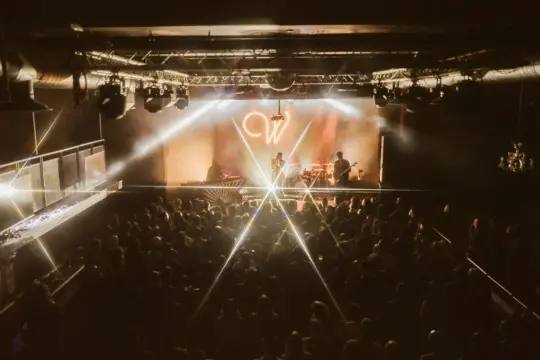
Regional Tier: Rossi. (Ross McCormack) had approximately 1.72 million Spotify monthly listeners as of May 2026, yet maintains underground coding. His reputation grew through small-room residencies, long-form sets, and ownership of his own label HOMEGROWN, rather than algorithmic discovery. His May 2026 Boiler Room debut drew an estimated 800 people around the venue with roughly 300 unable to get in, which shows that underground status can persist alongside significant platform visibility.
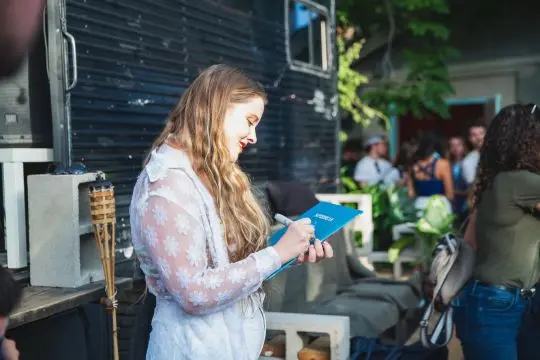
National Niche Tier: HipHop-Today’s July 2026 analysis cites MIKE, Billy Woods, and Earl Sweatshirt as artists whose underground lanes prioritize texture, memory, broken-loop intimacy, and abstraction over conventional hooks or commercial radio approval. Their audiences are national in scale but built through community infrastructure instead of commercial promotion.
Mainstream-Adjacent Tier: Yeat and Ken Carson represent a modern contradiction. Their early momentum grew from internet-native subculture, yet their scale now stretches into major streaming numbers and festival headlines. In this tier, underground functions more as a fan identity than a precise business description.
Phonk offers a documented case of full transition. The genre evolved from an underground SoundCloud niche built on chopped 1990s Memphis rap samples into one of the most-used genres on TikTok and YouTube Shorts, largely driven by the drift car community and its aggressive, high-energy edits. The sound stayed consistent while the infrastructure around it changed.
Meet 30 Artists Defining the Underground Spectrum in 2026
Edge Cases Around Underground Status
Spotify Presence: An artist can be underground and on Spotify. The platform functions as a distribution channel rather than a cultural position. Most successful electronic music artists in 2026 use streaming as one channel among many, maintaining presence on Spotify and Apple Music alongside Bandcamp for direct fan support and SoundCloud for community engagement. Underground status depends on how an artist uses the platform and whether they maintain creative control and community infrastructure.
TikTok Virality: Viral moments create pressure but do not automatically dissolve underground status. HipHop-Today’s July 2026 analysis treats a viral song as attention rather than infrastructure. Artists who convert viral moments into sustainable careers do so by building direct contact through email lists, merch buyers, ticket purchasers, and Bandcamp supporters instead of relying on algorithmic visibility.
Major-Label Distribution Deals: An artist can be distributed by a major partner and still carry an underground aesthetic. Independence describes a business condition, while underground describes a cultural position. HipHop-Today’s July 2026 article explicitly notes that the two can coexist.
Legacy Artists: Legacy artists who built underground reputations through community infrastructure and creative control before commercial success retain cultural credibility even when their catalog reaches mainstream audiences. Their position formed before commercial scale and continues to shape how fans interpret their work.
What Underground Music Is And Is Not
Underground Means Built Outside the Front Office. As Darius Rollins states, “Underground does not mean invisible. It means the artist’s value was built somewhere other than the industry’s front office.” An artist can have significant streaming numbers and still be underground when their value grew outside the industry’s commercial pipeline.
Underground Describes Power, Not Superiority. Quality remains subjective. Underground status describes a relationship to power and infrastructure instead of artistic rank. Red Star Media’s 2026 guide argues that gatekeeping in electronic music usually protects in-group status more than artistic integrity.
Underground Spans Many Genres. As Hugo Petit writes for Cybev.io, “The underground isn’t a genre. It’s a vibe, a choice, a refusal to be passive.” Punk, techno, hip-hop, folk, and electronic music all host underground ecosystems at the same time.
Explore OnesToWatch’s 2026 Artists Pushing Underground Culture Forward
How Underground Artists Make Money Without A Label
Label-free careers in 2026 rely on stacking multiple direct-to-fan revenue channels instead of depending on streaming royalties alone.
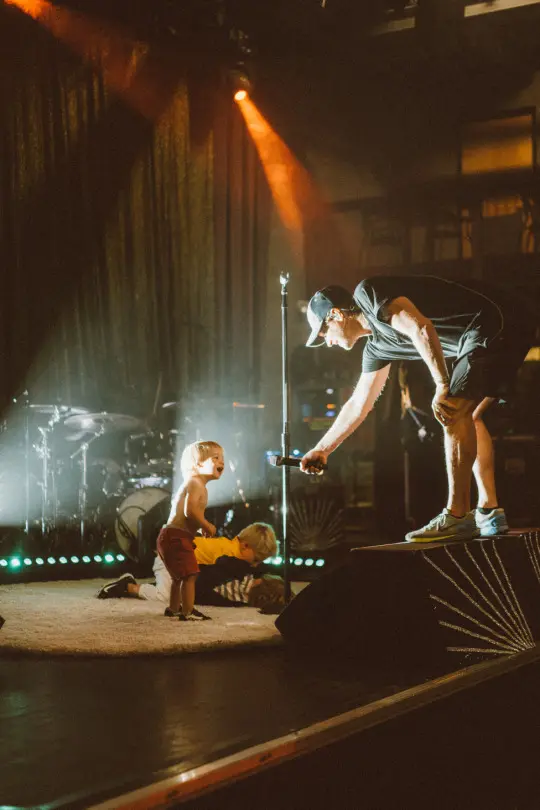
- Bandcamp offers artists an 82% to 85% revenue share and a built-in audience of listeners who already pay for music by habit.
- Patreon, Ko-fi, and newer entrants like Fanfix add tiered access, recurring billing, and direct ownership of the fan relationship. To net around $2,000 per month after platform fees, an independent artist needs roughly 463 subscribers at $5 per month, 230 at $10, or 115 at $20.
- An artist with 5,000 fans who each spend $100 per year on tickets, merch, and Bandcamp purchases generates $500,000 in annual revenue. That level of direct support often exceeds the income of artists with millions of passive streams.
- Merchandise bundled with music releases accounts for 15% to 20% of independent artist revenue, according to Music24’s 2026 music industry trends report.
- Sync licensing revenue hit $1.2 billion globally in 2025. A single placement in a major TV show, film trailer, or global ad campaign can generate $50,000 to $500,000 or more in licensing fees plus a measurable streaming spike.
The 2025 Xposure Music Independent Music Industry Report found that just 13.3% of independent artists earn a full living from music-related activities. Another 77.8% report less than $15,000 in annual music income. That gap shows why stacking income streams is essential for label-free careers.
Why Do They Call It Underground Music?
- The term “underground” gained popularity in music during the 1960s with the rise of the counterculture movement, becoming associated with beatnik and hippie subcultures and non-mainstream artistic production across music, press, comics, and film.
- In the 1970s, bands such as The Ramones and the Sex Pistols defined punk by opposing what they saw as a conformist society, establishing both a musical style and strongly identified subcultures.
- The 1980s underground movement grew directly from late-1970s punk and post-punk foundations, with independent record labels like 4AD and Factory Records releasing groundbreaking albums and underground venues in cities such as New York, London, and Manchester hosting over 3,000 shows annually.
In 2026, the term persists because it still captures a real position in music culture. It describes a relationship to power, infrastructure, and creative control that remains meaningful even as boundaries blur. HipHop-Today’s July 2026 analysis frames the current era as a shift from older discovery systems toward community sharing, local momentum, Discord servers, SoundCloud, TikTok pockets, live rooms, and direct sales. That shift blurs the old underground and mainstream divide while keeping the underlying distinction alive.
That historical arc explains why the term still carries weight in 2026 and sets up the modern picture of underground culture.
Conclusion And Recap
Underground music in 2026 functions as a position in music culture defined by creative control, community infrastructure, and a refusal to wait for institutional permission. It does not map neatly to a single genre, listener count, or platform status. The spectrum stretches from local scenes operating in 100-to-400-capacity rooms to mainstream-adjacent artists whose underground identity has become a fan category more than a business label.
Spotify presence alone does not dissolve underground status. TikTok virality introduces new pressures without guaranteeing a shift. Major-label distribution deals can coexist with underground cultural positioning. The crucial question is how the audience formed, through community infrastructure and creative control or through commercial pipelines and institutional permission.
A healthy music ecosystem keeps underground and mainstream in productive tension. Underground spaces generate new ideas that the mainstream can amplify to larger audiences, while mainstream success funds the studios, labels, and venues that support underground experimentation. Understanding where an artist sits on that spectrum, and why, has become an essential skill for anyone navigating modern music culture.
Dive Into OnesToWatch’s Top 30 Artists To Watch in 2026
Discover your next favorite artist and the stories behind their rise.
Explore OnesToWatch for In-Depth Artist Stories
Below are answers to common questions about underground music in 2026 that build on the sections above.
Frequently Asked Questions
What Does Underground Music Mean In Modern Music Culture?
Underground music describes an artist’s relationship to power and infrastructure rather than a genre or listener count. It refers to creative work that operates outside major-label pipelines and grows through community infrastructure instead of chart metrics. The four traits covered in the definition section, DIY distribution, community metrics, algorithmic resistance, and creative control, shape that position in 2026.
What Defines Underground Music?
Underground music centers on creative control, community infrastructure, and resistance to purely algorithmic incentives. An artist can embody these traits while appearing on Spotify, signing a distribution deal, or selling out mid-size venues. The key signal is whether community structures and artistic autonomy guide decisions more than institutional expectations.
What Is The Difference Between Mainstream And Underground Music?
Mainstream music prioritizes broad commercial reach, familiar song structures, and major-label support. Underground music prioritizes artistic specificity, community infrastructure, and creative control. Independent and underground also differ. Independent describes how an artist releases music as a business condition, while underground describes how that artist relates to power and infrastructure as a cultural position.
How Many Listeners Makes An Artist Underground?
No fixed listener number defines underground status. The infrastructure behind the audience matters more than its size. An artist with seven-figure monthly listeners can maintain underground coding when their reputation grew through small-room residencies, long-form sets, and community infrastructure. Another artist with a smaller audience may sit closer to mainstream when playlist placement and viral moments built most of their reach.
Can You Be Underground And On Spotify?
Artists can remain underground while using Spotify as one distribution channel. Underground status depends on how they use the platform and whether they maintain creative control and community infrastructure. Many underground artists combine Spotify with Bandcamp for direct fan support, SoundCloud for community engagement, and direct-to-fan platforms for recurring revenue.
Why Do They Call It Underground Music?
The term grew from 1960s counterculture and carried through punk, independent label networks, and college rock scenes. In 2026, it still signals work that sits outside dominant commercial or institutional channels. The word now captures an ongoing relationship to power, infrastructure, and creative control in a streaming era where visibility alone no longer defines underground status.
How Do Underground Artists Make Money Without A Label?
Most underground artists combine several revenue streams, including Bandcamp sales at the revenue share mentioned earlier, membership platforms with tiered access, merch bundles, live performance fees, and sync licensing. Direct-to-fan channels usually generate far more income per listener than streaming alone. As the earlier example showed, a relatively small group of committed fans can outperform millions of passive streams when they buy tickets, merch, and music directly from the artist.